Slow Cooker Chicken Cacciatore: An Incredible Ultimate Recipe for 5
 Save
Save
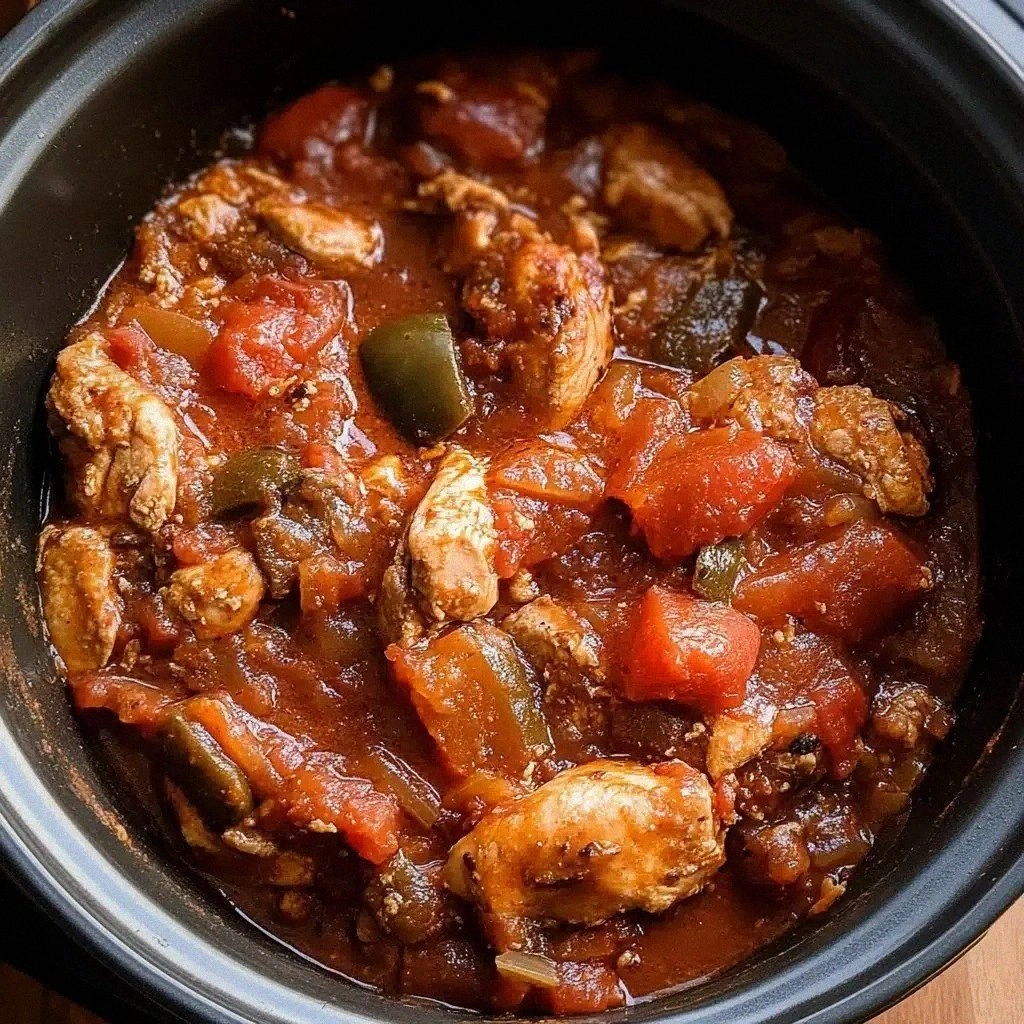
It was a crisp autumn afternoon when I first discovered the magic of slow‑cooker chicken cacciatore. The house smelled like a rustic Italian trattoria, with sweet onions caramelizing in olive oil, garlic whispering its perfume, and the deep, earthy scent of simmering tomatoes filling every corner. I remember the moment I lifted the lid of the cooker, a cloud of fragrant steam hit me like a warm hug, and I could see the glossy, ruby‑red sauce clinging to tender pieces of chicken. That first bite was a revelation – juicy, fall‑off‑the‑bone chicken bathed in a sauce that sang of herbs, wine, and sun‑kissed peppers. Since then, this dish has become a family staple, a go‑to when I need comfort, crowds, or just a reason to gather around the table.
What makes this recipe truly extraordinary is its balance of simplicity and depth. You don’t need a fancy stovetop or a brigade of chefs; the slow cooker does the heavy lifting, turning humble ingredients into a masterpiece that feels restaurant‑quality. The secret lies in layering flavors – first searing the chicken for that golden crust, then letting the sauce meld for hours, allowing the herbs to release their essence fully. Imagine the sauce thickening slowly, the flavors marrying like old friends at a reunion, each spoonful richer than the last. But wait – there’s a hidden trick in step four that will elevate the dish from great to unforgettable, and I’ll reveal it soon.
Beyond the taste, this chicken cacciatore is a celebration of memories. I’ve served it at birthday parties, Sunday family lunches, and even a rainy‑day movie night when the kids begged for something hearty. The dish has a way of pulling people together, encouraging stories, laughter, and the occasional playful debate over who gets the last bite. It’s also incredibly forgiving – you can tweak the spice level, swap vegetables, or add a splash of wine without breaking the core of the recipe. Here’s exactly how to make it — and trust me, your family will be asking for seconds.
🌟 Why This Recipe Works
- Flavor Depth: The slow cooking process allows the tomatoes, wine, and herbs to break down and mingle, creating a sauce that’s richer than any quick‑sauté could achieve. Each bite delivers layers of sweet, tangy, and savory notes that linger on the palate.
- Texture Harmony: By searing the chicken first, you lock in juices, ensuring the meat stays moist while the sauce becomes silky. The vegetables retain a slight bite, adding contrast to the tender chicken.
- Ease of Preparation: Most of the work is hands‑off; once everything is in the slow cooker, you can set the timer and attend to other tasks, making it perfect for busy weekdays.
- Time Efficiency: While the cooker works for hours, you only spend about 15 minutes prepping, giving you a gourmet‑style dinner without the marathon kitchen session.
- Versatility: This dish pairs beautifully with pasta, polenta, or crusty bread, and can be adapted for gluten‑free or low‑carb diets by swapping the sides.
- Nutrition Boost: Loaded with lean protein, antioxidant‑rich tomatoes, and vitamin‑packed peppers, it offers a balanced meal that fuels the body and comforts the soul.
- Ingredient Quality: Using fresh herbs and high‑quality canned tomatoes makes a noticeable difference, turning a simple stew into a celebration of flavors.
- Crowd‑Pleasing Factor: The aromatic profile and hearty nature make it a hit with both kids and adults, ensuring no one leaves the table unsatisfied.
🥗 Ingredients Breakdown
The Foundation
The backbone of this dish is the chicken, preferably bone‑in, skin‑on thighs. The bones add richness to the sauce, while the skin renders fat that enhances flavor and keeps the meat juicy. If you’re short on time, boneless, skinless breasts work, but they’ll produce a slightly lighter broth. Choose chicken that’s fresh, with a pink hue and firm texture; avoid any that looks gray or has a strong odor. The next foundational element is the canned crushed tomatoes – opt for San Marzano if you can find them, as they bring a natural sweetness and low acidity that balances the sauce beautifully.
Aromatics & Spices
Onions and garlic are the aromatic duo that kick‑starts any Italian‑style sauce. Slice the onion into thin wedges so they soften without disintegrating, and mince the garlic just before using to preserve its pungent snap. Bell peppers, both red and yellow, add a subtle sweetness and a burst of color that makes the dish visually inviting. Dried oregano and fresh basil are the herbaceous heroes; oregano provides an earthy backbone, while basil adds a bright, aromatic finish right before serving. A pinch of red pepper flakes can be added for a gentle heat, but keep it optional for those who prefer milder flavors.
The Secret Weapons
A splash of dry red wine is the secret weapon that lifts the sauce from ordinary to extraordinary. The alcohol evaporates during cooking, leaving behind a nuanced depth that mimics the complexity of a restaurant‑style braise. Additionally, a tablespoon of balsamic vinegar at the end of cooking brightens the sauce, cutting through the richness and adding a subtle sweetness. Finally, a handful of sliced mushrooms contributes an earthy umami that rounds out the flavor profile, making each bite feel layered and satisfying.
Finishing Touches
Just before serving, a drizzle of extra‑virgin olive oil adds a silky finish, while a sprinkle of freshly grated Parmesan brings a salty, nutty edge. Fresh parsley, chopped fine, offers a pop of color and a hint of freshness that cuts through the richness. If you love a little zest, a squeeze of lemon juice can brighten the whole dish, but use it sparingly. These finishing touches transform the stew from hearty to refined, ensuring every spoonful feels intentional.
With your ingredients prepped and ready, let's get cooking. Here's where the fun really begins...
🍳 Step-by-Step Instructions
🔐 Expert Tips for Perfect Results
The Taste Test Trick
Always taste the sauce a few minutes before the end of cooking. This is when you can truly gauge the balance of acidity, salt, and herbs. If the sauce feels too acidic, a tiny pinch of sugar or a drizzle of honey can mellow it out without making it sweet. Conversely, if it feels flat, a splash of good-quality olive oil can revive the richness. Trust your senses – they’re the best tool in the kitchen.
Why Resting Time Matters More Than You Think
Allowing the dish to rest for 10‑15 minutes after the cooker turns off lets the juices redistribute throughout the chicken, preventing them from spilling out when you cut into the meat. This small pause also gives the sauce a chance to thicken slightly, creating a more cohesive mouthfeel. I once served the dish straight from the cooker, and the chicken was a bit dry – the rest period solved that instantly.
The Seasoning Secret Pros Won’t Tell You
Professional chefs often finish a tomato‑based sauce with a pinch of finishing salt – a flaky sea salt that adds a delicate crunch and bursts of flavor. Sprinkle it just before serving for a subtle texture contrast. It’s a tiny detail, but it makes the dish feel polished and restaurant‑ready.
How to Keep the Sauce Velvety
If you find the sauce a little thin after cooking, stir in a teaspoon of tomato paste dissolved in warm water, or a splash of heavy cream for a silkier texture. The cream adds a luxurious mouthfeel without overpowering the classic Italian flavors. I’ve tried both, and each brings a unique twist that still honors the original recipe.
The Power of Fresh Herbs
Fresh basil and parsley are not just garnish; they’re flavor catalysts. Add the basil in the last 15 minutes of cooking, and the parsley right before serving. This timing preserves their bright, aromatic qualities, preventing them from wilting into a dull green. One time I added dried basil early on, and the flavor was flat – fresh herbs made all the difference.
When to Add the Mushrooms
Mushrooms release moisture as they cook, which can thin the sauce if added too early. For a richer sauce, sauté the mushrooms briefly in a separate pan until they’re browned, then add them to the slow cooker halfway through the cooking cycle. This step locks in their earthy flavor while keeping the sauce concentrated.
🌈 Delicious Variations to Try
One of my favorite things about this recipe is how versatile it is. Here are some twists I've tried and loved:
Mediterranean Olive Twist
Add a handful of Kalamata olives and a squeeze of lemon zest during the last 20 minutes of cooking. The olives contribute a briny bite, while the lemon zest lifts the dish with a citrusy spark, creating a Mediterranean‑inspired profile that pairs beautifully with couscous.
Spicy Arrabbiata Upgrade
Increase the red pepper flakes and stir in a spoonful of tomato paste mixed with a dash of smoked paprika. This version brings a smoky heat that’s perfect for cooler evenings, and it pairs well with a side of creamy polenta to balance the spice.
Herbaceous Garden Fresh
Swap the dried oregano for fresh thyme and rosemary, and add a cup of diced zucchini and eggplant halfway through the cooking time. The fresh herbs infuse the sauce with a woodsy aroma, while the summer vegetables add a tender bite and a burst of color.
Creamy Tuscan Style
Stir in half a cup of heavy cream and a handful of grated Parmesan during the final 15 minutes. The sauce becomes luxuriously creamy, reminiscent of a Tuscan farmhouse dish, and it’s divine over a bed of buttery gnocchi.
Low‑Carb Cauliflower Rice Version
Serve the chicken cacciatore over cauliflower rice instead of pasta. The cauliflower rice soaks up the sauce while keeping the meal low in carbs, making it a great option for anyone watching their carbohydrate intake.
📦 Storage & Reheating Tips
Refrigerator Storage
Allow the dish to cool to room temperature before transferring it to an airtight container. It will keep safely in the refrigerator for up to four days. When storing, keep the chicken pieces whole to preserve moisture; reheat gently to avoid drying out.
Freezing Instructions
This recipe freezes beautifully. Portion the chicken and sauce into freezer‑safe bags or containers, leaving a little headspace for expansion. Label with the date and freeze for up to three months. To thaw, move it to the refrigerator overnight, then reheat on the stovetop or in a microwave, adding a splash of broth if the sauce looks thick.
Reheating Methods
The trick to reheating without drying it out? Add a tablespoon of water or broth per serving and cover the dish while warming it gently on the stovetop over low heat. Stir occasionally until the sauce is glossy and the chicken is heated through. In the microwave, use a low power setting and cover with a microwave‑safe lid, stirring halfway through.
❓ Frequently Asked Questions
Can I use boneless, skinless chicken breasts instead of thighs?
Do I need to sear the chicken if I’m short on time?
Can I make this recipe in an Instant Pot?
What side dishes pair best with this cacciatore?
Can I add beans or legumes for extra protein?
Is it okay to use fresh tomatoes instead of canned?
How spicy can I make this without overwhelming the dish?
Can I make this recipe dairy‑free?
About 30 minutes before serving, stir in the fresh basil leaves and a splash of balsamic vinegar. The basil should wilt just enough to release its aromatic oils, while the vinegar adds a subtle brightness that lifts the entire dish. Taste and adjust the seasoning with additional salt, pepper, or a pinch more oregano if needed. This is the moment where your intuition as a cook shines – trust your palate.
When the cooking time is complete, turn off the slow cooker and let the dish rest, covered, for 10 minutes. This resting period allows the sauce to settle and the flavors to integrate even further. Meanwhile, you can prepare your chosen side – whether it’s al dente pasta, creamy polenta, or a crusty loaf of Italian bread for soaking up every last drop.
To serve, spoon a generous ladle of sauce over the chicken, ensuring each piece is coated with the rich, ruby‑red mixture. Finish with a drizzle of extra‑virgin olive oil, a sprinkle of grated Parmesan, and a handful of chopped parsley for color. Serve hot, and watch as your family gathers around the table, eyes widening at the aroma and forks diving in with delight.
Similar Recipes
 Dinner
The Allure of Sizzling Garlic Butter Steak Bites
Delicious The Allure of Sizzling Garlic Butter Steak Bites
 Dinner
warm lemon garlic roasted potatoes for cozy family dinners
Learn how to make delicious warm lemon garlic roasted potatoes for cozy family dinners. Easy recipe…
 Dinner
garlic roasted cabbage and carrot medley for easy family dinners
Discover a delicious garlic roasted cabbage and carrot medley recipe, perfect for easy family dinners. Try…
 Dinner
Boneless Skinless Chicken Thighs: An Amazing Ultimate Recipe Guide
Learn how to make delicious Boneless Skinless Chicken Thighs: An Amazing Ultimate Recipe Guide. Easy recipe…
 Dinner
creamy lemon garlic roasted cabbage and carrots for january detox
Brighten January detox with this creamy lemon-garlic roasted cabbage & carrot main dish—low-cal, immune-boosting, ready in…
 Dinner
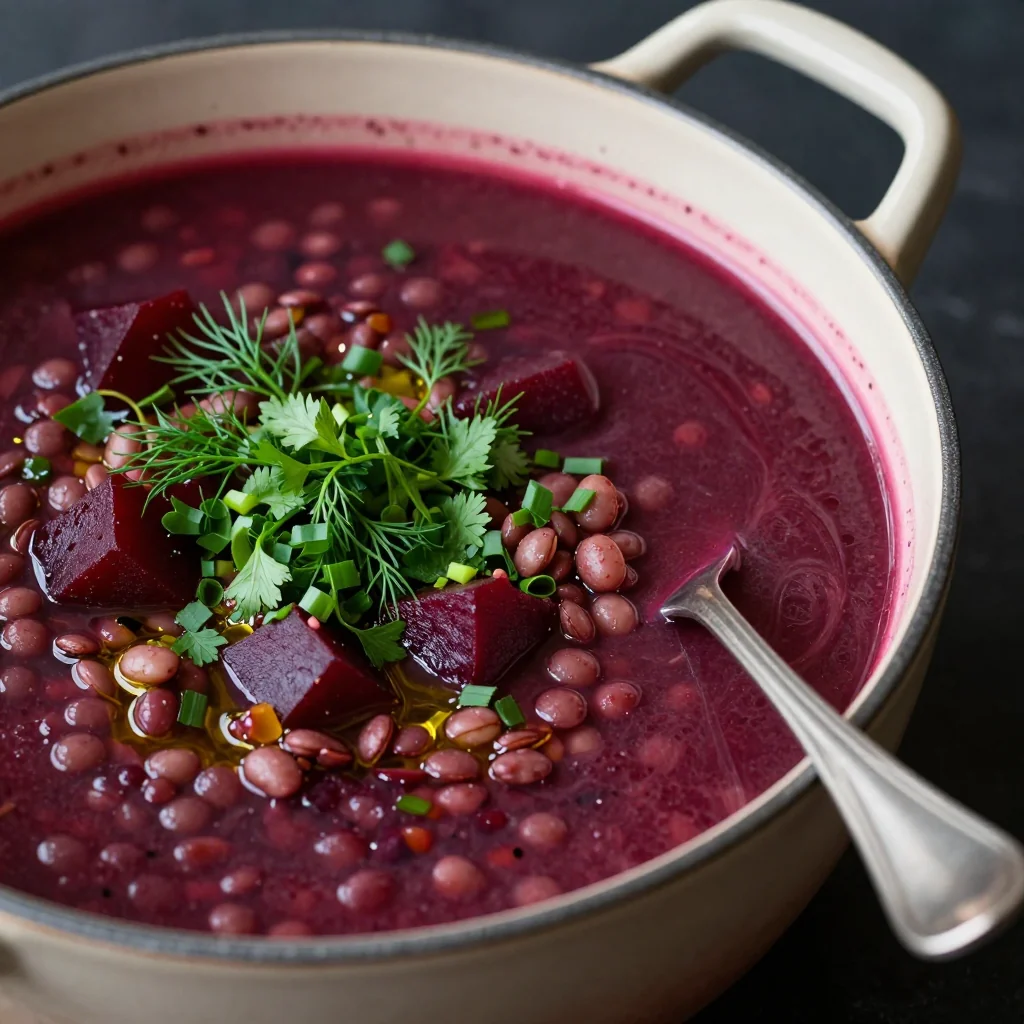
cozy one pot lentil and beet soup with fresh herbs for winter nights
Learn how to make delicious cozy one pot lentil and beet soup with fresh herbs for…
 Dinner
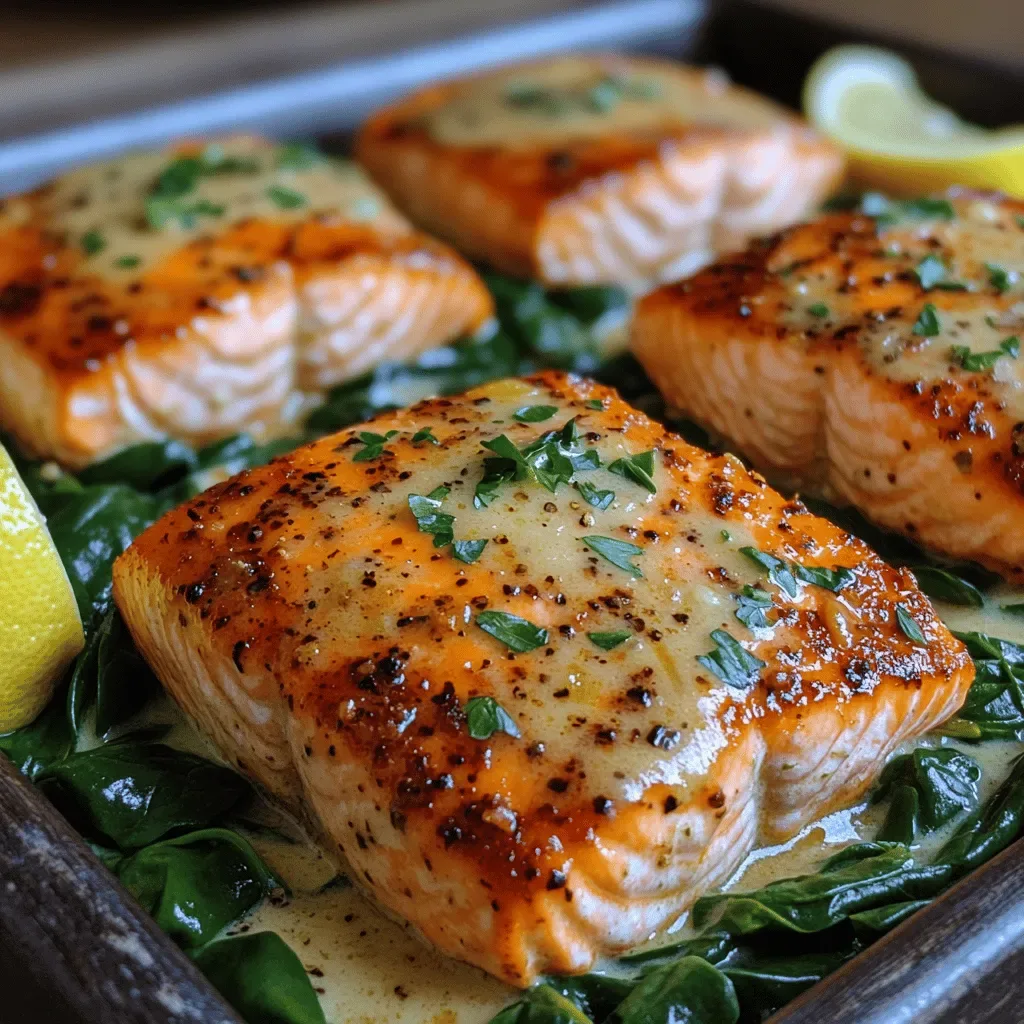
Creamy Garlic Butter Salmon with Spinach & Lemon: A Culinary Delight
Delicious Creamy Garlic Butter Salmon with Spinach & Lemon: A Culinary Delight
 Dinner
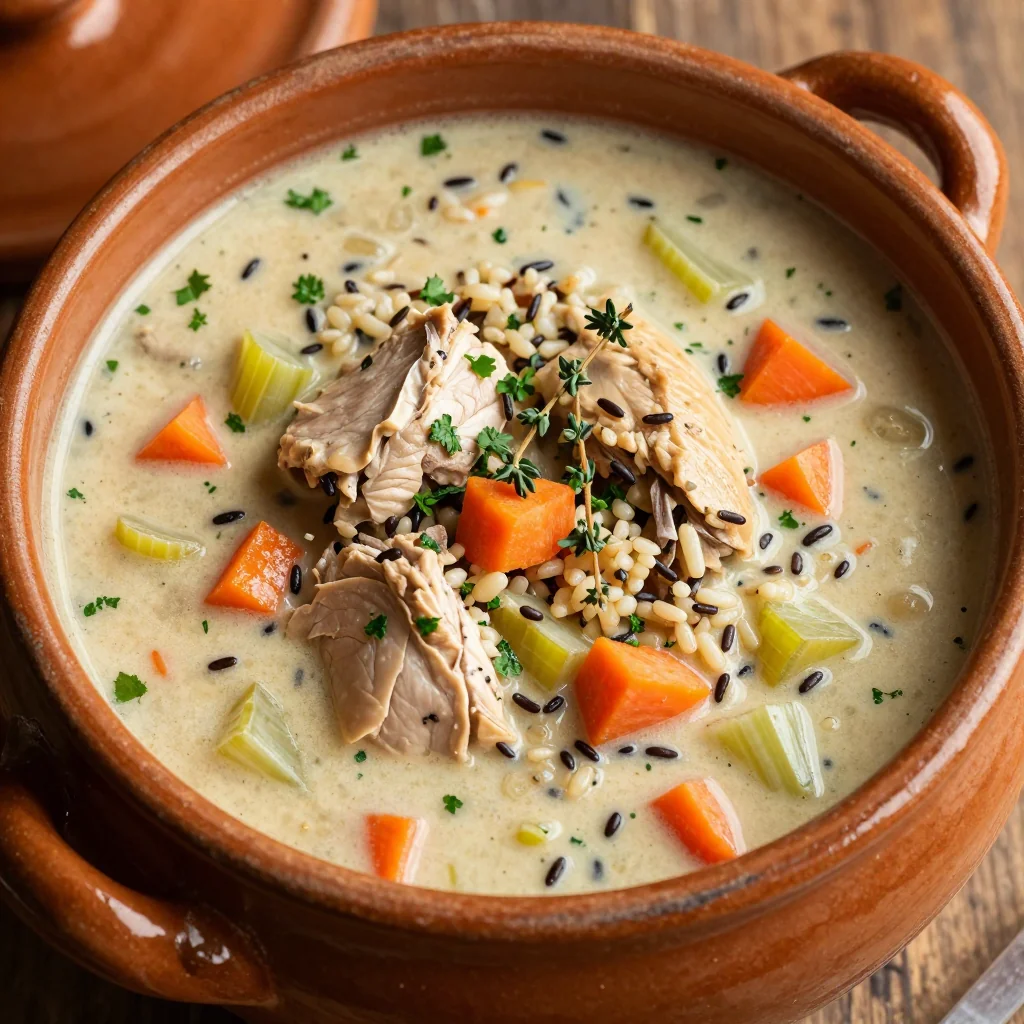
Budget Crockpot Turkey and Wild Rice Soup for Weeknights
Learn how to make delicious Budget Crockpot Turkey and Wild Rice Soup for Weeknights. Easy recipe…

Victoria
I cook these recipes at home before they ever land here — simple ingredients, clear steps.
Other Reader Favorites
 Appetizers
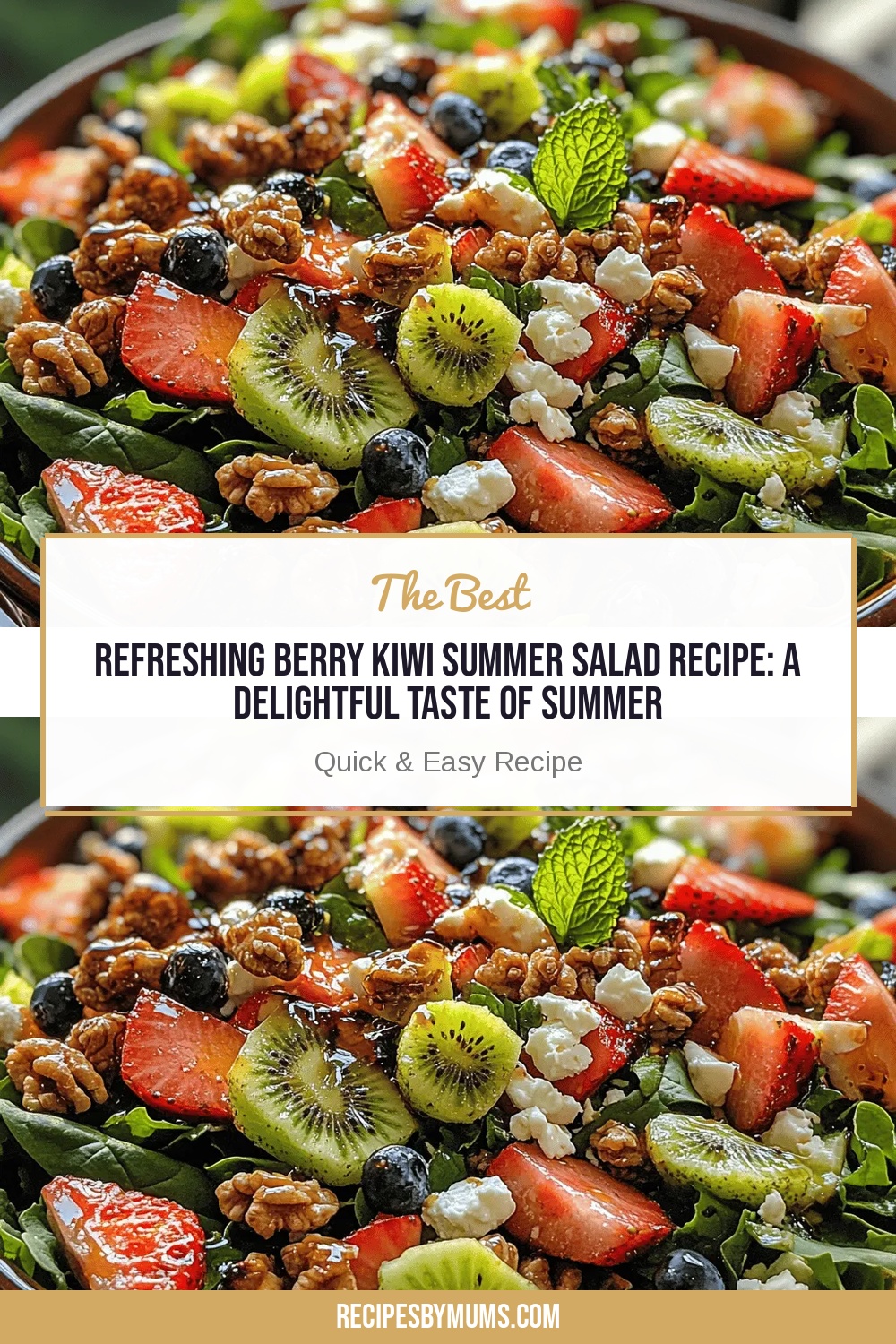
Refreshing Berry Kiwi Summer Salad Recipe: A Delightful Taste of Summer
Delicious Refreshing Berry Kiwi Summer Salad Recipe: A Delightful Taste of Summer
 Dinner
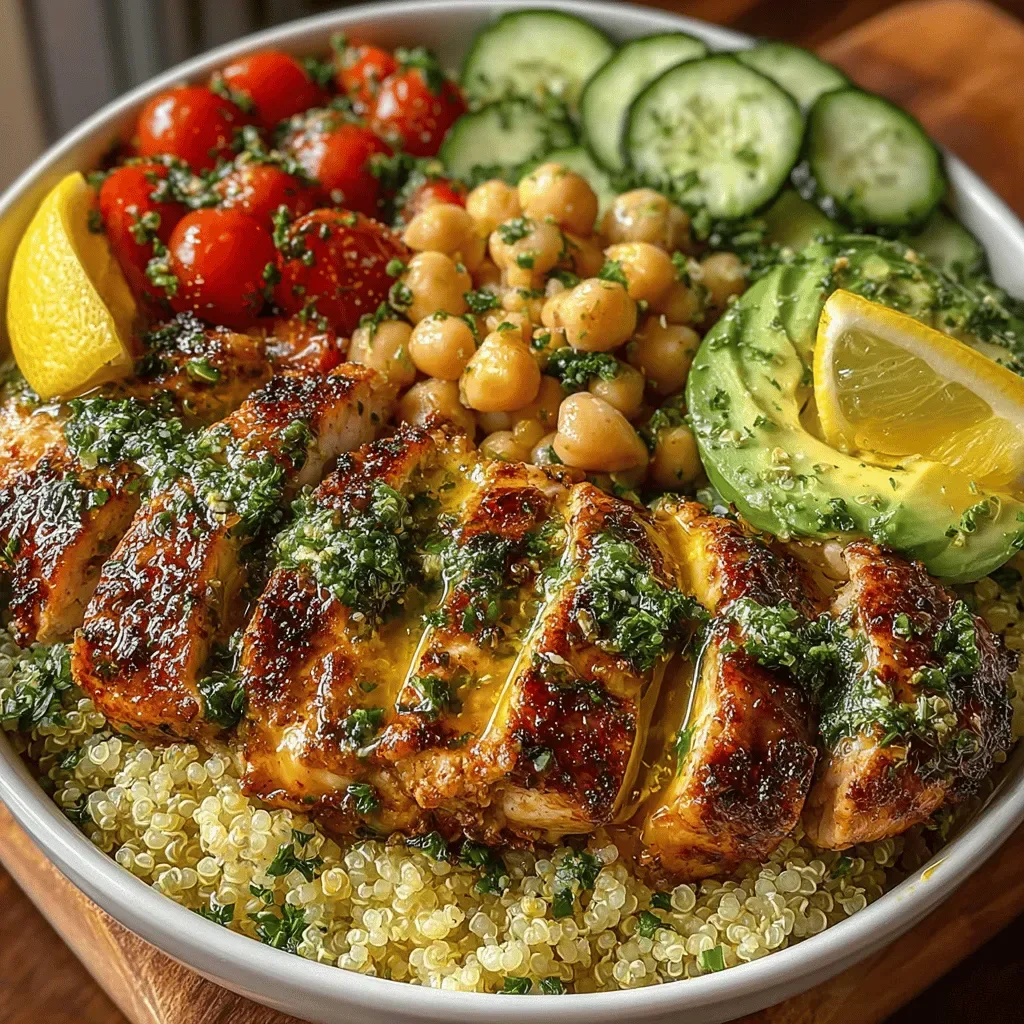
Savory Lemon Herb Grilled Chicken Bowls: A Flavorful Delight
Delicious Savory Lemon Herb Grilled Chicken Bowls: A Flavorful Delight
 Appetizers
Crunchy Spice Delight Chicken Wings Recipe
Delicious Crunchy Spice Delight Chicken Wings Recipe
 Desserts
Creamy Dulce de Leche Cheesecake Bars: A Heavenly Dessert Experience
Delicious Creamy Dulce de Leche Cheesecake Bars: A Heavenly Dessert Experience