Lemon Bars with Shortbread Crust
 Save
Save
The first time I ever tasted a lemon bar, I was sitting at my grandmother’s kitchen table on a bright spring afternoon, the sunlight spilling through the lace curtains and dancing on the polished wood. The moment she lifted the parchment lid, a cloud of fragrant steam rose, carrying the sweet‑tart perfume of lemon zest and buttered shortbread that seemed to whisper, “Welcome home.” I remember the buttery crumble melting on my tongue, followed by that zingy burst of lemon that made my eyes widen in surprise. It was love at first bite, and that memory has followed me through countless kitchens, inspiring me to perfect this recipe so you can feel the same joy.
What makes these lemon bars stand out isn’t just the classic tangy filling; it’s the shortbread crust that adds a buttery richness you won’t find in the usual graham‑cracker base. The crust is crisp at the edges, tender in the middle, and it holds the lemon filling like a tiny, edible sunburst. When you bite into it, you get a satisfying crunch that gives way to a silky, lemony interior—an interplay of textures that keeps you reaching for another piece. Imagine that perfect balance of buttery depth and bright citrus, and you’ll understand why this dessert has become a family favorite at every gathering.
But there’s more to this story than just taste. I’ve spent years tweaking the ratios, testing different butter temperatures, and even experimenting with the type of lemon I use, all to capture that perfect harmony. There’s a secret trick I discovered in step four that will change the way you think about lemon bars forever, and I’m saving it for later in the article. Trust me, once you master that little detail, you’ll wonder how you ever settled for anything less. And because I love sharing the love, I’ve packed this guide with tips that even seasoned bakers might not know.
Ready to bring a burst of sunshine to your own kitchen? Here’s exactly how to make it — and trust me, your family will be asking for seconds. Grab your butter, zest a fresh lemon, and let’s dive into a recipe that’s as comforting as a hug and as bright as a summer day.
🌟 Why This Recipe Works
- Flavor Depth: The shortbread crust adds a nutty, buttery foundation that amplifies the lemon’s bright acidity, creating a layered taste experience that feels both indulgent and refreshing.
- Texture Contrast: A crisp, buttery edge meets a silky, custard‑like filling, delivering a satisfying bite that keeps you coming back for more.
- Ease of Execution: With just a handful of pantry staples and a few simple steps, even a novice baker can achieve professional‑grade results without fuss.
- Time Efficiency: The entire process takes under an hour, making it perfect for last‑minute gatherings or a sweet weekend treat.
- Versatility: This base can be dressed up with berries, a drizzle of glaze, or a dusting of powdered sugar, allowing you to customize for any occasion.
- Ingredient Quality: By using fresh lemon juice and zest, you capture vibrant citrus notes that bottled juice simply can’t match.
- Nutrition Balance: While indulgent, the recipe relies on modest amounts of sugar and butter, and the lemon provides a boost of vitamin C.
- Crowd‑Pleaser Factor: The bright color and tangy flavor make these bars a show‑stopper at potlucks, brunches, and dessert tables alike.
🥗 Ingredients Breakdown
The Foundation
All‑purpose flour is the backbone of both the crust and the filling, providing structure while keeping the texture light. Its gluten content is just enough to hold everything together without making the shortbread tough. If you’re looking for a gluten‑free alternative, a 1:1 blend of rice flour and tapioca starch works surprisingly well, though the crust will be a tad more crumbly. Choosing a high‑quality, unbleached flour ensures a clean, buttery flavor that doesn’t taste metallic.
Granulated sugar adds the essential sweetness that balances the lemon’s tartness. It also contributes to the caramelization of the crust, giving it that golden hue and a faint crunch. For a deeper flavor, you could swap half of the white sugar for superfine raw cane sugar, which dissolves more quickly and adds a subtle molasses note. When measuring, spoon the sugar into the cup and level it off to avoid packing too much, which could make the crust overly sweet.
A pinch of salt may seem insignificant, but it’s the unsung hero that makes the butter sing. Salt enhances the natural flavors of the butter and lemon, preventing the dessert from tasting flat. If you’re using salted butter, reduce the added salt to a mere pinch to avoid over‑seasoning. Remember, even a small adjustment can dramatically change the taste profile.
The Rich Butter
Unsalted butter is the heart of the shortbread crust, delivering that melt‑in‑your‑mouth richness that defines a perfect bar. The butter should be at room temperature—soft enough to blend but not so warm that it turns greasy. I always cut the butter into small cubes before creaming it with the sugar; this ensures an even distribution and a smoother dough. If you want an extra buttery aroma, try using European‑style butter, which has a higher butterfat content.
Eggs are the binding agents for the lemon filling, creating a custard‑like texture that sets beautifully without becoming rubbery. Fresh, large eggs work best; older eggs can lead to a grainy texture. I recommend whisking the eggs lightly before adding them to the lemon mixture to incorporate air, which makes the filling lighter. For a richer mouthfeel, you could substitute one egg with a tablespoon of heavy cream.
Citrus Brighteners
Grated lemon zest is where the fragrance truly begins. The zest contains essential oils that give the bars a burst of citrus aroma that you can smell before you even taste. Use a microplane to grate only the yellow part of the peel, avoiding the bitter white pith. Fresh zest is far superior to pre‑grated dried zest, which can lose its potency over time.
Lemon juice provides the iconic tang that makes these bars unforgettable. Freshly squeezed juice is non‑negotiable; bottled juice often has a muted flavor and added preservatives that dull the brightness. When juicing, roll the lemon on the counter to release more juice, and strain out any seeds for a smooth filling. If you’re out of lemons, a mix of lime and a splash of orange juice can create a delightful twist.
Finishing Touches
Powdered sugar is optional but highly recommended for dusting the finished bars. It adds a delicate sweetness and a visual sparkle that makes the dessert look as good as it tastes. For a twist, mix a pinch of powdered sugar with a little extra zest for a speckled, aromatic topping. Sifting the powdered sugar over the warm bars ensures an even coating without clumps.
With your ingredients prepped and ready, let's get cooking. Here’s where the fun really begins…
🍳 Step-by-Step Instructions
🔐 Expert Tips for Perfect Results
The Taste Test Trick
Before you bake the filling, give it a quick taste. A pinch of extra sugar or a dash more lemon zest can be added at this stage to fine‑tune the balance. I once served these bars to a pastry chef who asked for a touch more lemon—so I learned that a little adjustment can elevate the whole batch. Trust your palate; it’s the best gauge for perfection.
Why Resting Time Matters More Than You Think
After the bars have cooled, let them rest in the refrigerator for 30 minutes before dusting with powdered sugar. The chill firms the filling, preventing the sugar from melting into a soggy glaze. I discovered this after a friend complained that the sugar turned into a syrupy mess on a warm day. The short chill ensures a crisp dusting that stays put.
The Seasoning Secret Pros Won’t Tell You
A tiny pinch of sea salt on top of the powdered sugar just before serving adds a subtle contrast that makes the lemon flavor pop. It’s a technique used in upscale bakeries to elevate simple desserts. I tried it once for a dinner party, and the guests were amazed at the depth it added. The salt doesn’t make the bars salty; it simply awakens the citrus.
Butter Temperature is Everything
Cold butter creates steam during baking, resulting in a flaky crust, while overly soft butter can make the crust spread too thin. I keep a small bowl of ice water nearby to chill the dough if it feels too warm. This small adjustment can be the difference between a tender crumb and a tough biscuit.
Avoid Over‑Mixing the Filling
When whisking the eggs and lemon mixture, stop as soon as it’s smooth. Over‑mixing can incorporate too much air, causing the filling to puff up and then collapse, leaving a dense texture. I once over‑whisked out of habit and ended up with a gummy center—lesson learned! Gentle mixing preserves the custardy silkiness we’re after.
🌈 Delicious Variations to Try
One of my favorite things about this recipe is how versatile it is. Here are some twists I've tried and loved:
Berry‑Bliss Lemon Bars
Stir a handful of fresh raspberries or blueberries into the lemon filling before baking. The berries add a sweet‑tart counterpoint and a burst of color that makes the bars look even more inviting. The extra moisture from the fruit slightly softens the crust, creating a delightful contrast.
Lavender‑Infused Citrus
Add a teaspoon of culinary lavender to the crust mixture. The floral notes complement the lemon beautifully, turning a classic dessert into an elegant palate cleanser. Just be careful not to overdo it—lavender can become overpowering if used in excess.
Chocolate‑Swirl Delight
Drop dollops of melted dark chocolate onto the lemon filling before the final bake, then swirl with a skewer. The bittersweet chocolate creates a sophisticated flavor pairing, and the visual marbling makes each bar look like a work of art.
Coconut‑Lemon Fusion
Replace a quarter of the all‑purpose flour with shredded coconut and sprinkle toasted coconut on top after dusting with powdered sugar. The tropical hint adds texture and a subtle nutty sweetness that pairs perfectly with the lemon zing.
Maple‑Ginger Zest
Swap half of the granulated sugar for pure maple syrup and add a pinch of ground ginger to the filling. The warm spice and caramel notes of the maple create a cozy, autumn‑ready version of the bars. It’s a great way to transition this dessert into cooler months.
Mini Lemon Tarts
Press the crust into a muffin tin to create individual servings, then bake as directed. Fill each mini tart with the lemon mixture and bake until set. These bite‑size delights are perfect for cocktail parties or as a refined dessert for guests.
📦 Storage & Reheating Tips
Refrigerator Storage
Store the bars in an airtight container lined with parchment paper to keep them from sticking together. They will stay fresh for up to three days, retaining their buttery crust and tangy filling. For a firmer texture, keep them chilled; the lemon filling sets further as it cools.
Freezing Instructions
Wrap each bar tightly in plastic wrap, then place them in a freezer‑safe bag. They freeze beautifully for up to two months. To thaw, simply move them to the refrigerator overnight and dust with fresh powdered sugar before serving.
Reheating Methods
When you’re ready to serve, reheat the bars in a 300°F (150°C) oven for about 8‑10 minutes. This gently restores the crust’s crispness without drying out the lemon filling. The trick to reheating without drying it out? Add a splash of water to the pan and cover loosely with foil for the first few minutes; the steam keeps the interior moist.
❓ Frequently Asked Questions
Can I use a glass baking dish instead of a metal pan?
What if I don’t have fresh lemons?
Can I make these bars gluten‑free?
How do I prevent the lemon filling from cracking?
Can I add a glaze on top?
Do I need to line the pan with parchment paper?
Can I substitute the butter with margarine?
How long can I keep the bars at room temperature?








Other Reader Favorites
 Dinner
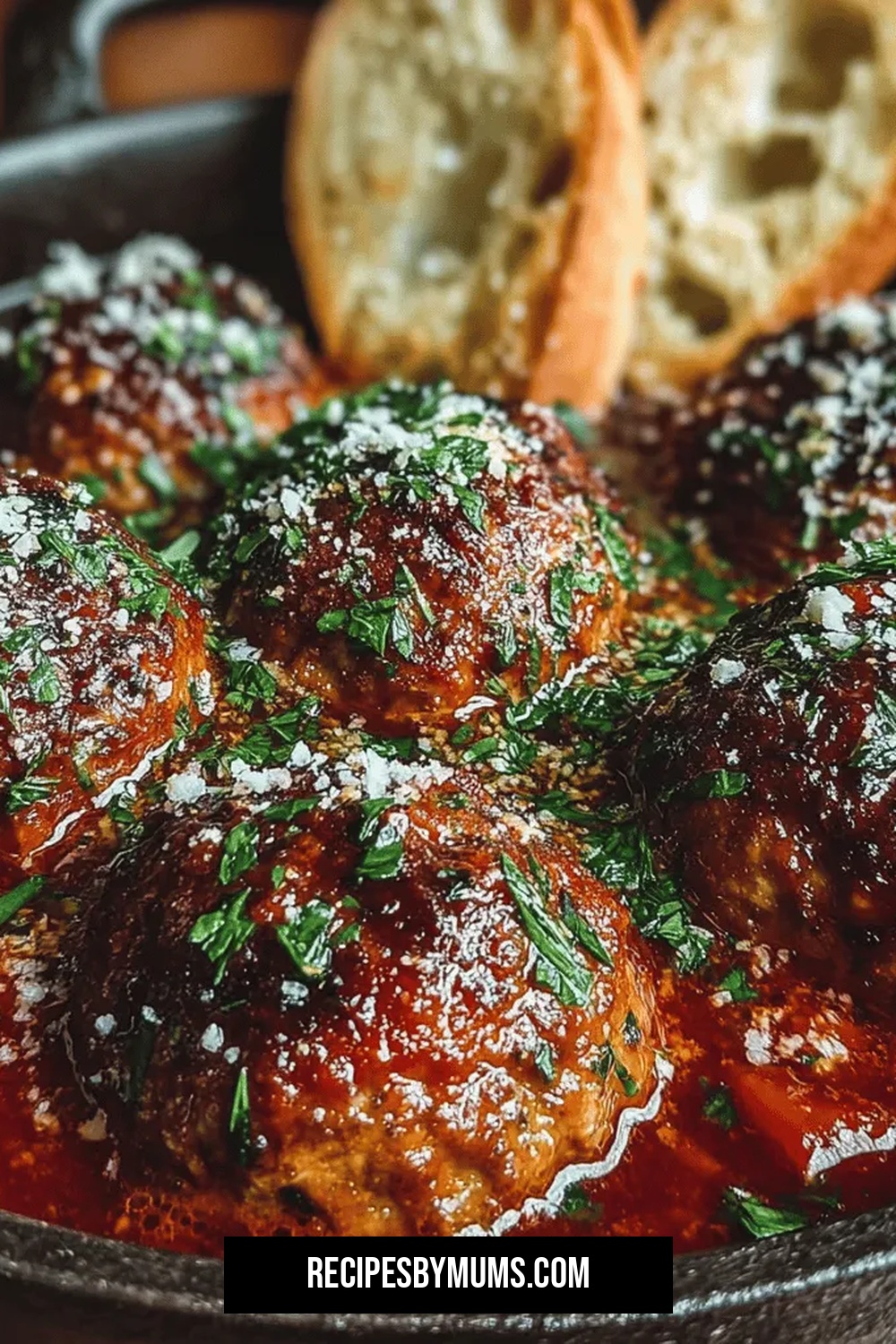
Comforting Homestyle Turkey Meatballs in Marinara Sauce
Delicious Comforting Homestyle Turkey Meatballs in Marinara Sauce
 Dinner
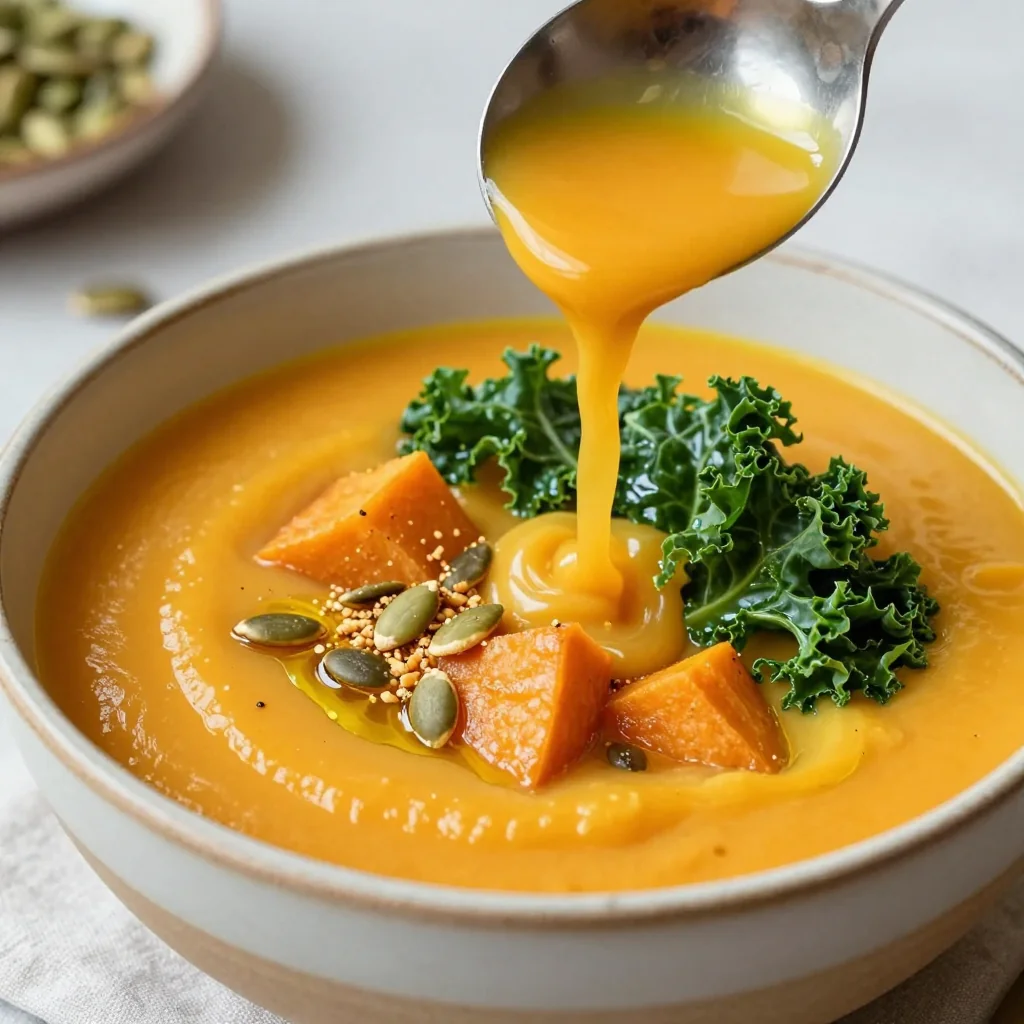
clean eating sweet potato and kale soup for postholiday detox
Reset after the holidays with this clean eating sweet potato kale soup—veggie-packed, anti-inflammatory, and ready in…
 Dinner
Garlic Chicken Spinach White Pizza Will Wow Your Taste Buds!
Learn how to make delicious Garlic Chicken Spinach White Pizza Will Wow Your Taste Buds!. Easy…
 Appetizers
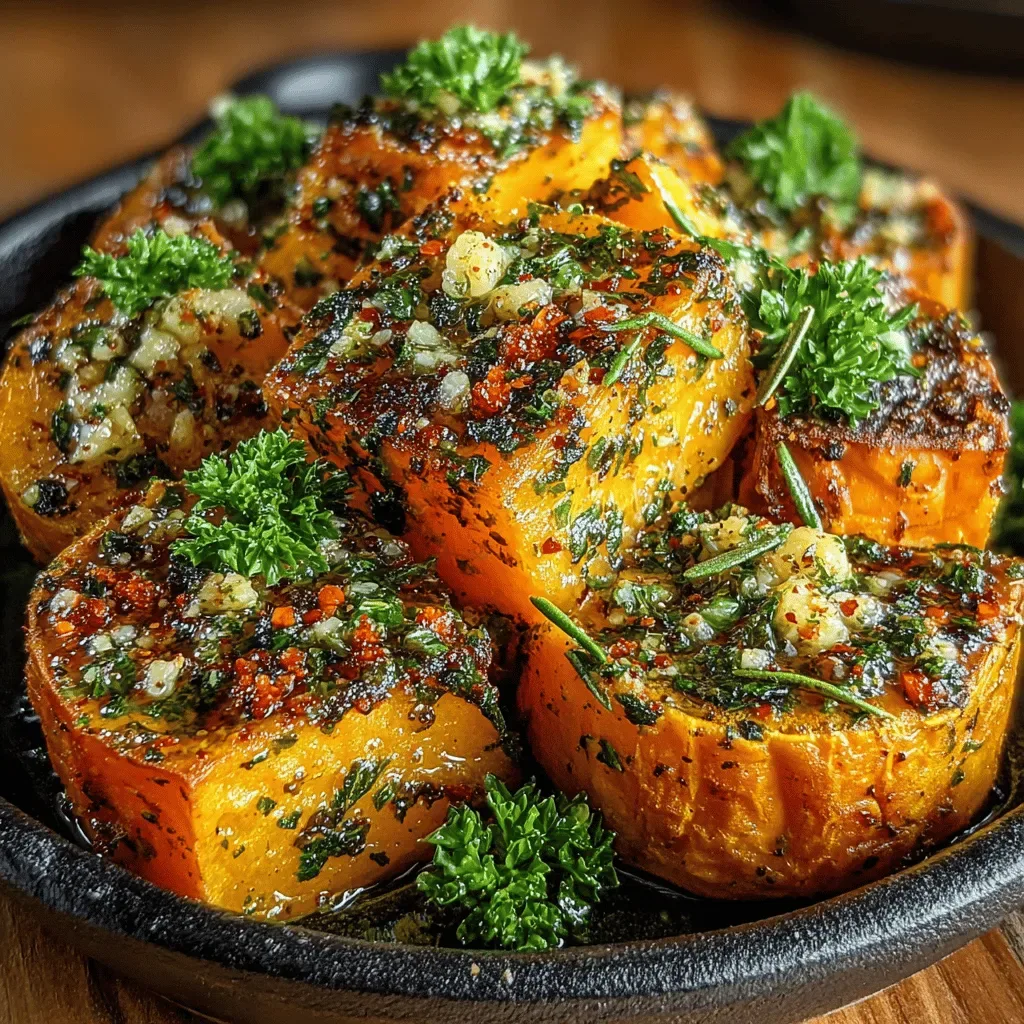
Garlic Herb Roasted Sweet Potatoes
Delicious Garlic Herb Roasted Sweet Potatoes