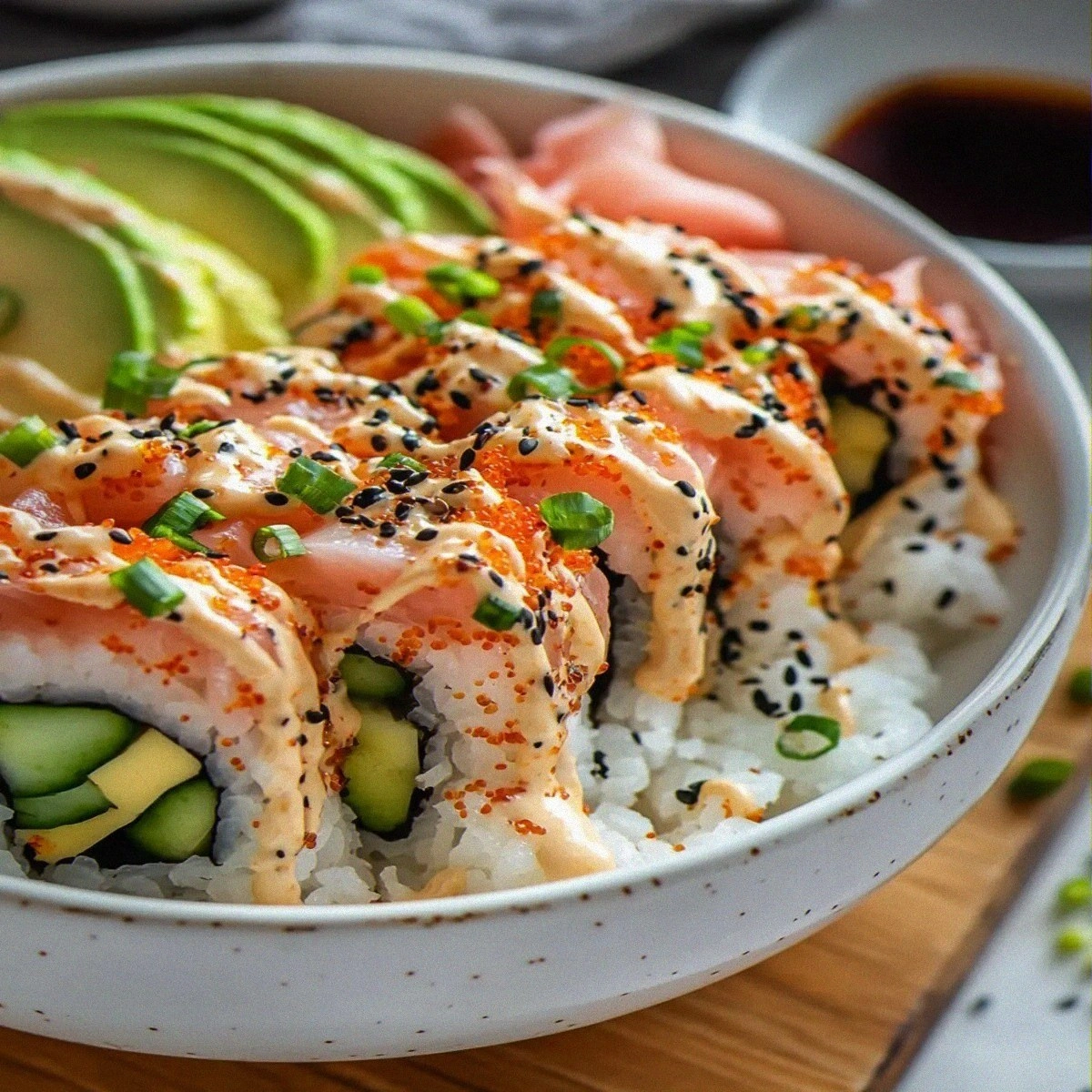
Easy California Roll Sushi Bowls for a Flavorful Home Feast
 Save
Save
What makes this recipe stand out is its balance of textures and flavors—creamy avocado, crunchy cucumber, sweet imitation crab, all hugging a bed of perfectly seasoned sushi rice. The dish is as beautiful as it is delicious; each component adds a pop of color that looks like a work of art on a white plate. Imagine the bright orange of the crab, the deep green of the avocado, the speckled black of toasted sesame seeds, and the subtle shimmer of nori furikake—all coming together in a single bite that feels both familiar and excitingly new. The best part? You don’t need a bamboo mat or a master’s knife to achieve that restaurant‑level presentation.
But wait—there’s a secret trick that transforms the ordinary rice into a fluffy, slightly tangy base that holds everything together without getting soggy. I’ll reveal that in step four, and trust me, you’ll never go back to plain rice again. Have you ever wondered why the rice at your favorite sushi spot always seems to have that perfect bite? The answer lies in a simple balance of rice vinegar, sugar, and a gentle hand‑stirring technique that most home cooks overlook. By the end of this article, you’ll be wielding that technique like a pro, and your family will be asking for seconds—maybe even thirds.
Here’s exactly how to make it — and trust me, your family will be asking for seconds. From selecting the freshest avocado to mastering the art of the perfect drizzle, each step is laid out with sensory cues, personal anecdotes, and a few “aha!” moments that will keep you engaged from start to finish. Ready to dive in? Let’s roll up our sleeves and start building a bowl that sings of the Pacific coast while staying comfortably on your kitchen counter.
🌟 Why This Recipe Works
- Flavor Depth: The combination of seasoned rice vinegar and Japanese mayo creates a layered taste that’s both tangy and creamy, ensuring each bite delivers a burst of umami without overwhelming the palate.
- Texture Harmony: Crunchy cucumber, buttery avocado, and the slight chew of imitation crab provide a symphony of textures that keep the mouthfeel interesting from the first spoonful to the last.
- Ease of Assembly: No rolling mats, no delicate knife work—just a bowl, a spoon, and a few simple tosses, making it perfect for busy weeknights or casual weekend gatherings.
- Time Efficient: From start to finish it takes under 45 minutes, and most of that is hands‑off cooking time while the rice steams, giving you a chance to prep the toppings without feeling rushed.
- Versatility: The base can be swapped for brown rice or quinoa, the crab can be replaced with cooked shrimp, and the sauce can be tweaked for extra heat, allowing you to tailor it to any dietary preference.
- Nutrition Boost: With avocado providing healthy fats, cucumber adding hydration, and a modest amount of protein from the crab, this bowl balances indulgence with wholesome nourishment.
- Ingredient Quality: Using Calrose sushi rice and authentic Japanese mayo ensures authenticity, while the nori furikake adds a subtle sea‑kiss that elevates the overall flavor profile.
- Crowd‑Pleasing Factor: The visual appeal of a colorful bowl, combined with familiar flavors, makes it a hit with both sushi lovers and those new to Asian cuisine.
🥗 Ingredients Breakdown
The Foundation: Rice & Vinegar
Calrose sushi rice is the heart of any good sushi bowl. Its short‑grain structure absorbs flavors beautifully while staying tender, not mushy. The ¼ cup of seasoned rice vinegar you’ll stir in after cooking adds a gentle acidity that brightens the entire dish, cutting through the richness of the mayo and avocado. If you can’t find seasoned rice vinegar, a mix of regular rice vinegar, a pinch of sugar, and a dash of salt works just as well. The key is to let the rice cool slightly before adding the vinegar so the grains don’t break apart.
Aromatics & Spreads: Mayo & Sriracha
Japanese mayonnaise is silkier and slightly sweeter than its Western counterpart, giving the sauce a luxurious mouthfeel. Mixing it with two teaspoons of sriracha creates a spicy‑sweet drizzle that clings to the crab and avocado, delivering a subtle heat that doesn’t dominate. If you’re sensitive to spice, you can halve the sriracha or swap it for a dash of wasabi paste for a different kind of kick. Remember, the sauce should be drizzle‑ready, not too thick—add a splash of water if needed.
The Secret Weapons: Nori & Furikake
Nori sheets, traditionally used for rolling, are sliced into thin strips for this bowl, providing that unmistakable sea‑weed flavor without the chewiness of a full sheet. The nori furikake—a Japanese seasoning blend of toasted sesame seeds, seaweed flakes, and sometimes dried fish—adds a burst of umami and a delightful crunch on top. One of my favorite things about furikake is that it’s a quick way to add depth without extra effort. If you can’t find nori furikake, a sprinkle of toasted sesame seeds and a pinch of sea salt works as a decent substitute.
Finishing Touches: Veggies & Protein
English cucumber offers a crisp, watery crunch that balances the creamy avocado and the slightly sweet imitation crab. Slice it into half‑moon pieces for visual appeal and even distribution. The crab—though not real—has a delicate sweetness and a texture that mimics the real thing, making it a budget‑friendly star of the bowl. A large, ripe avocado adds buttery richness; choose one that yields slightly to gentle pressure for perfect ripeness. Finally, a generous sprinkling of black and toasted sesame seeds adds a nutty aroma that finishes the dish with a satisfying snap.
With your ingredients prepped and ready, let's get cooking. Here's where the fun really begins...
🍳 Step-by-Step Instructions
🔐 Expert Tips for Perfect Results
The Taste Test Trick
Before you commit to the final drizzle, take a tiny spoonful of the rice and taste it. If the vinegar flavor feels too sharp, add a few more grains of rice to balance it out; if it’s too bland, a dash more seasoned rice vinegar will brighten it. This tiny adjustment can make the difference between a bowl that sings and one that feels flat. Trust me on this one: a quick taste test saves you from a second‑round of seasoning later.
Why Resting Time Matters More Than You Think
Allowing the rice to rest after cooking isn’t just about temperature; it’s about letting the grains settle and the vinegar fully absorb. I once rushed this step and ended up with a bowl where the rice felt dry in the center and soggy at the edges. The lesson? Patience is a virtue, especially when it comes to rice. Let the rice sit covered for those extra ten minutes and you’ll notice a subtle, cohesive flavor that holds the bowl together.
The Seasoning Secret Pros Won’t Tell You
A pinch of sugar in the rice vinegar mixture is the hidden hero that balances acidity with a whisper of sweetness. Professional sushi chefs often add just enough sugar to make the rice glossy without being sweet. If you’re watching sugar intake, a tiny pinch (about ¼ teaspoon) is enough to make a noticeable difference. This subtle sweetness also helps the avocado and mayo mingle without feeling greasy.
The Crunch Factor
If you love an extra crunch, consider adding a handful of fried wonton strips or toasted rice crackers on top. The contrast between the soft rice and the crisp topping creates a multi‑dimensional bite that keeps the palate excited. I once added a sprinkle of crushed peanuts for a Thai twist, and the result was a delightful surprise that even my picky teen loved.
Balancing Heat and Sweetness
The sriracha in the mayo provides heat, but if you want a sweeter profile, swirl in a teaspoon of honey or maple syrup. This creates a sweet‑heat balance that mirrors the flavor profile of many modern sushi rolls. The key is to taste as you go; a small adjustment can transform the sauce from “spicy” to “spicy‑sweet” in an instant.
Serving Temperature Matters
While sushi rice is traditionally served at room temperature, a slightly warm bowl can be comforting on cooler evenings. If you’re serving the bowl right after cooking, let it sit for five minutes to come down from steaming hot to a pleasant lukewarm. This subtle temperature shift can make the avocado feel creamier and the sauce cling better to each ingredient.
🌈 Delicious Variations to Try
One of my favorite things about this recipe is how versatile it is. Here are some twists I've tried and loved:
Spicy Tuna Twist
Swap the imitation crab for diced sashimi‑grade tuna tossed in a mixture of sriracha, sesame oil, and a splash of lime juice. The result is a bold, oceanic flavor that pairs perfectly with the creamy avocado and adds a punch of protein.
Tropical Mango Crunch
Add diced fresh mango and a sprinkle of toasted coconut flakes for a sweet‑tropical flair. The mango’s juicy sweetness balances the tangy rice and adds a bright pop of color that makes the bowl look like a summer vacation on a plate.
Veggie‑Only Garden Bowl
Replace the crab with marinated tofu cubes or edamame for a vegetarian-friendly version. Toss the tofu in a light soy‑ginger glaze before adding it to the bowl, and you’ll get a satisfying bite that still delivers protein without any seafood.
Brown Rice & Quinoa Fusion
For a nuttier texture and added fiber, mix half brown rice with half quinoa as the base. The nutty undertones complement the sesame seeds and give the bowl a wholesome, hearty feel that’s perfect for a post‑workout meal.
Crispy Tempura Crunch
Lightly coat the crab or tofu in tempura batter and fry until golden. The crispy coating adds a delightful crunch that contrasts with the soft rice and avocado, turning the bowl into a textural adventure.
Miso‑Glazed Egg
Top the bowl with a soft‑boiled egg brushed in a miso‑soy glaze. The umami‑rich egg yolk adds a silky richness that melds beautifully with the other ingredients, making the bowl feel indulgent yet balanced.
📦 Storage & Reheating Tips
Refrigerator Storage
Store any leftovers in an airtight container within two hours of preparation. The seasoned rice stays fresh for up to 24 hours, while the avocado may brown—press a thin layer of plastic wrap directly onto the surface of the avocado mash to limit oxidation. Keep the cucumber separate if possible, as it can release water and make the rice soggy.
Freezing Instructions
While sushi bowls aren’t traditionally frozen, you can freeze the rice and crab mixture for up to one month. Portion the rice into freezer‑safe bags, flatten them for even thawing, and store the crab in a separate airtight container. Defrost in the refrigerator overnight, then re‑assemble with fresh avocado and cucumber for the best texture.
Reheating Methods
To reheat without drying out, sprinkle a tablespoon of water over the rice, cover the bowl with a damp paper towel, and microwave on medium power for 45 seconds. For a stovetop approach, gently steam the rice in a covered skillet with a splash of water for two minutes, stirring occasionally. The trick to reheating without losing the creamy avocado? Add a drizzle of fresh Japanese mayo after reheating to restore that silky mouthfeel.
❓ Frequently Asked Questions
Can I use real crab meat instead of imitation crab?
What if I don’t have Calrose sushi rice?
How spicy is the dish?
Can I make this bowl gluten‑free?
What’s the best way to keep the avocado from turning brown?
Do I need to toast the nori sheets?
Can I add other vegetables?
Is this recipe suitable for a party?
Now it’s time to assemble the bowls. Start with a generous base of seasoned rice, spreading it out to create a flat surface that will hold the toppings. Arrange the cucumber slices on one side, the avocado mash on another, and the crab pieces in a third quadrant. This visual separation not only looks beautiful but also allows each bite to be customized—mixing flavors as you desire.
Drizzle the spicy mayo generously over the crab and avocado, letting it cascade like a silky waterfall. Then, lightly splash ¼ cup of low‑sodium soy sauce around the rim of the bowl for an extra umami boost. Sprinkle black and toasted sesame seeds over the entire bowl, followed by a dusting of nori furikake for that final pop of flavor and visual sparkle.
Finish with a few thin strips of nori sheets—just enough to add that sea‑weed aroma without overwhelming the other textures. Give the bowl a quick gentle toss if you like everything mingled, or serve it as‑is for a layered experience. Finally, hand out chopsticks or a sturdy spoon, and encourage everyone to take a bite and discover the harmony of flavors. The result? A bowl that feels like a sushi restaurant’s best kept secret, right on your own table.
Similar Recipes
 Dinner
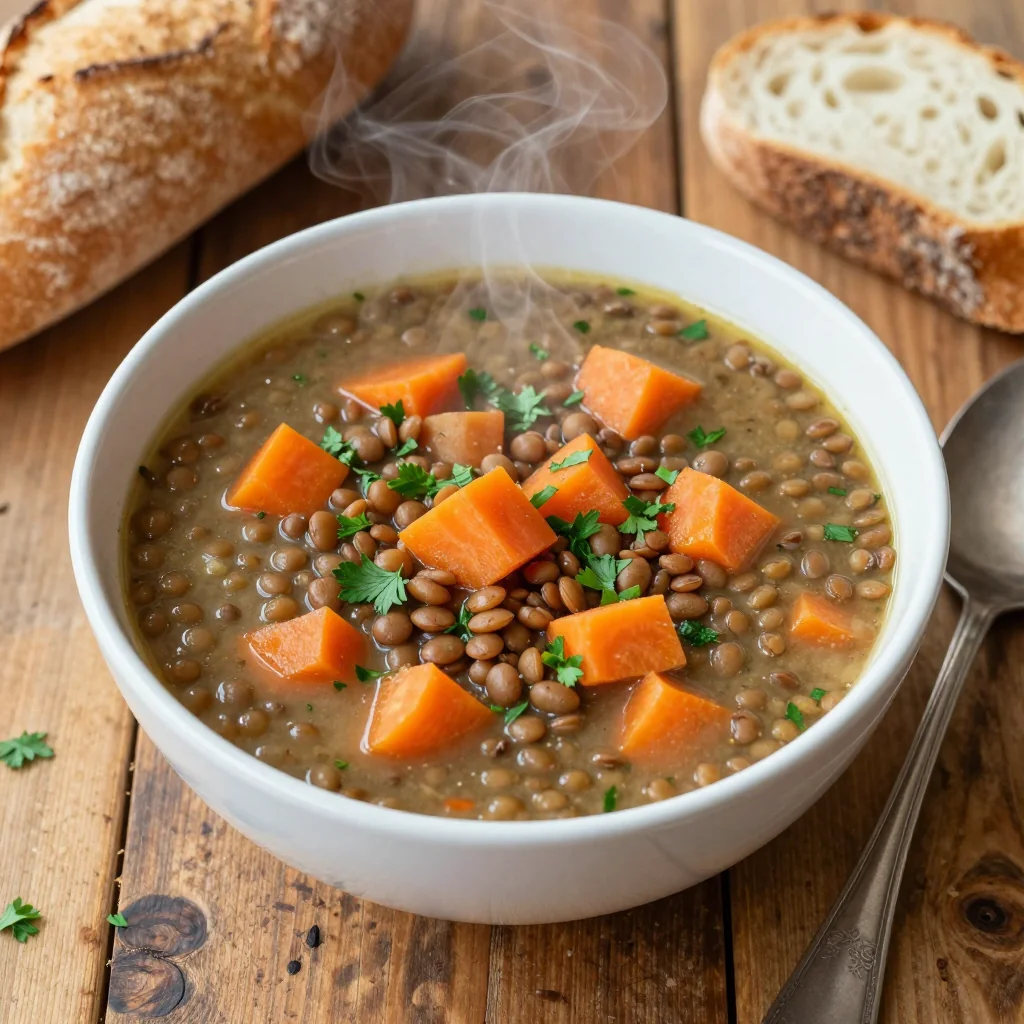
healthy onepot lentil and carrot soup for family meal prep
Learn how to make delicious healthy onepot lentil and carrot soup for family meal prep. Easy…
 Dinner
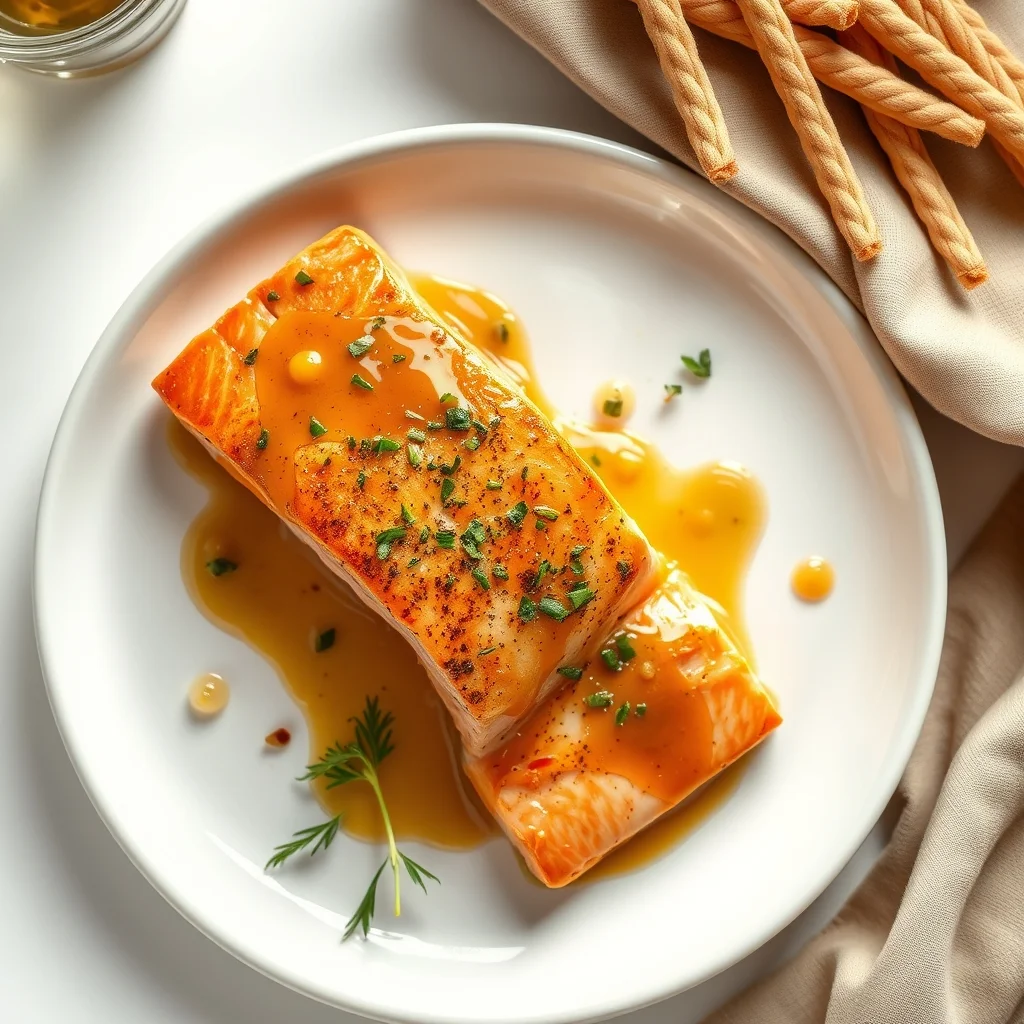
Baked Salmon with Honey Mustard Glaze
Delicious Baked Salmon with Honey Mustard Glaze
 Dinner
batch cooked sweet potato and spinach casserole for weeknight dinners
Learn how to make delicious batch cooked sweet potato and spinach casserole for weeknight dinners. Easy…
 Dinner
Savory Lentil & Sausage Stew: A Hearty and Nutritious Delight
Delicious Savory Lentil & Sausage Stew: A Hearty and Nutritious Delight
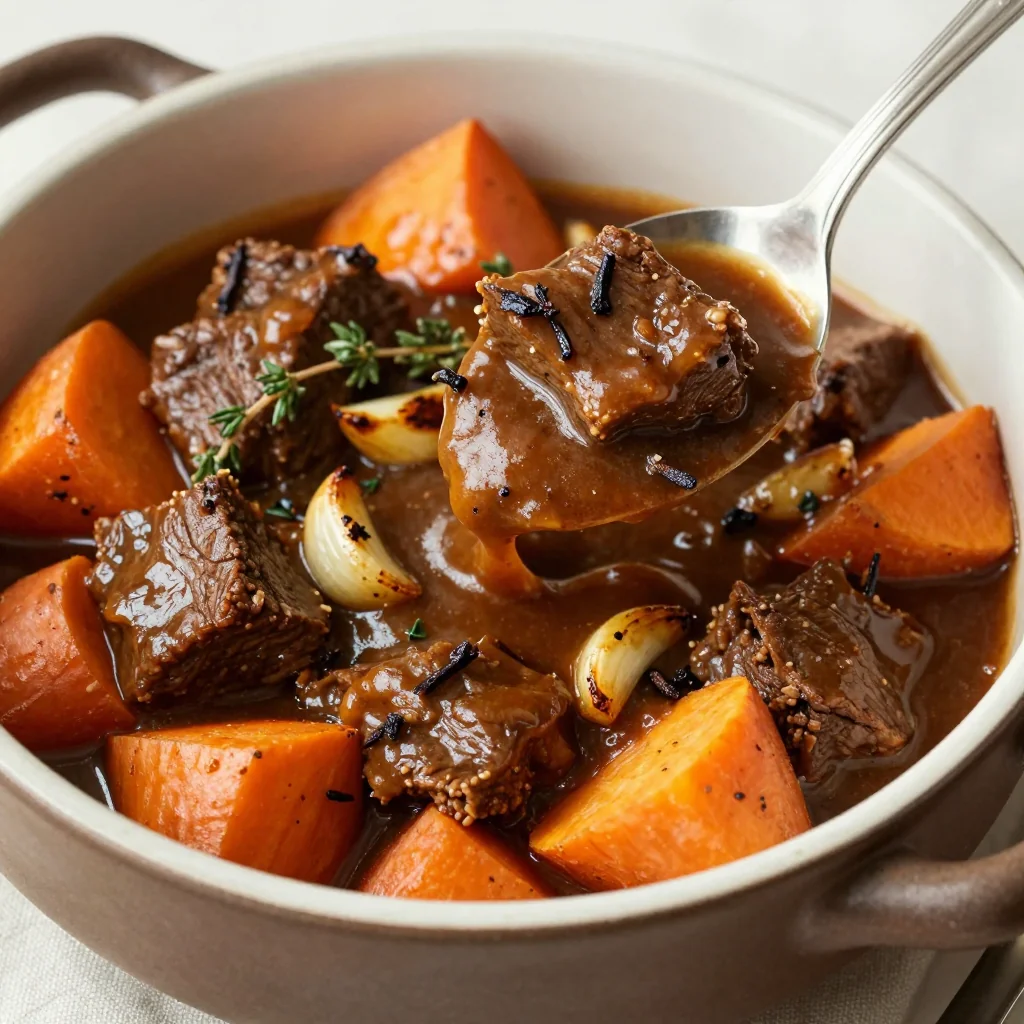 Dinner
warm slow cooker beef stew with sweet potato and roasted garlic
Set-and-forget slow cooker beef stew with sweet potato and roasted garlic for a hearty, hands-off dinner.…
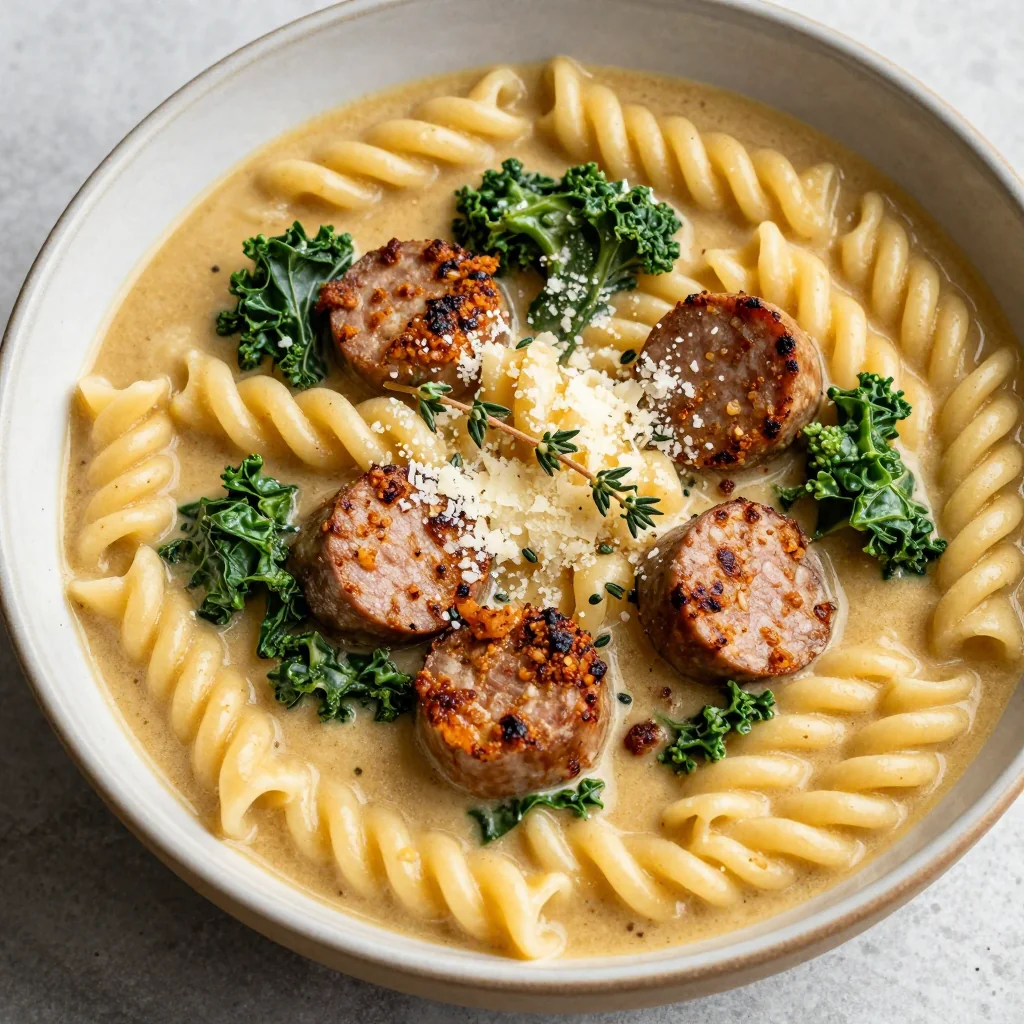 Dinner
One Pot Creamy Sausage and Kale Pasta Soup
Learn how to make delicious One Pot Creamy Sausage and Kale Pasta Soup. Easy recipe with…
 Dinner
General Tso’s Chicken Delight Recipe
Delicious General Tso’s Chicken Delight Recipe
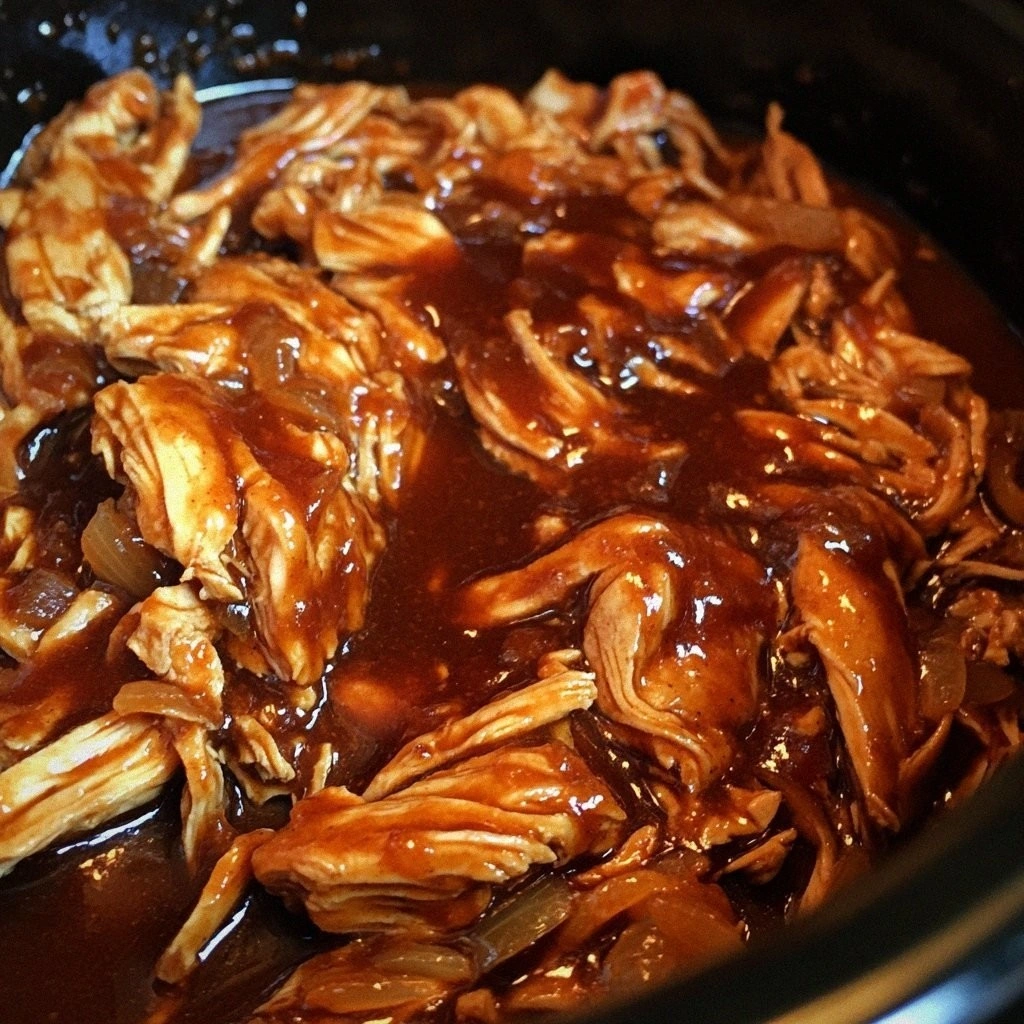 Dinner
Slow cooker BBQ chicken transforms dinner into a feast!
Learn how to make delicious Slow cooker BBQ chicken transforms dinner into a feast!. Easy recipe…

Victoria
I cook these recipes at home before they ever land here — simple ingredients, clear steps.