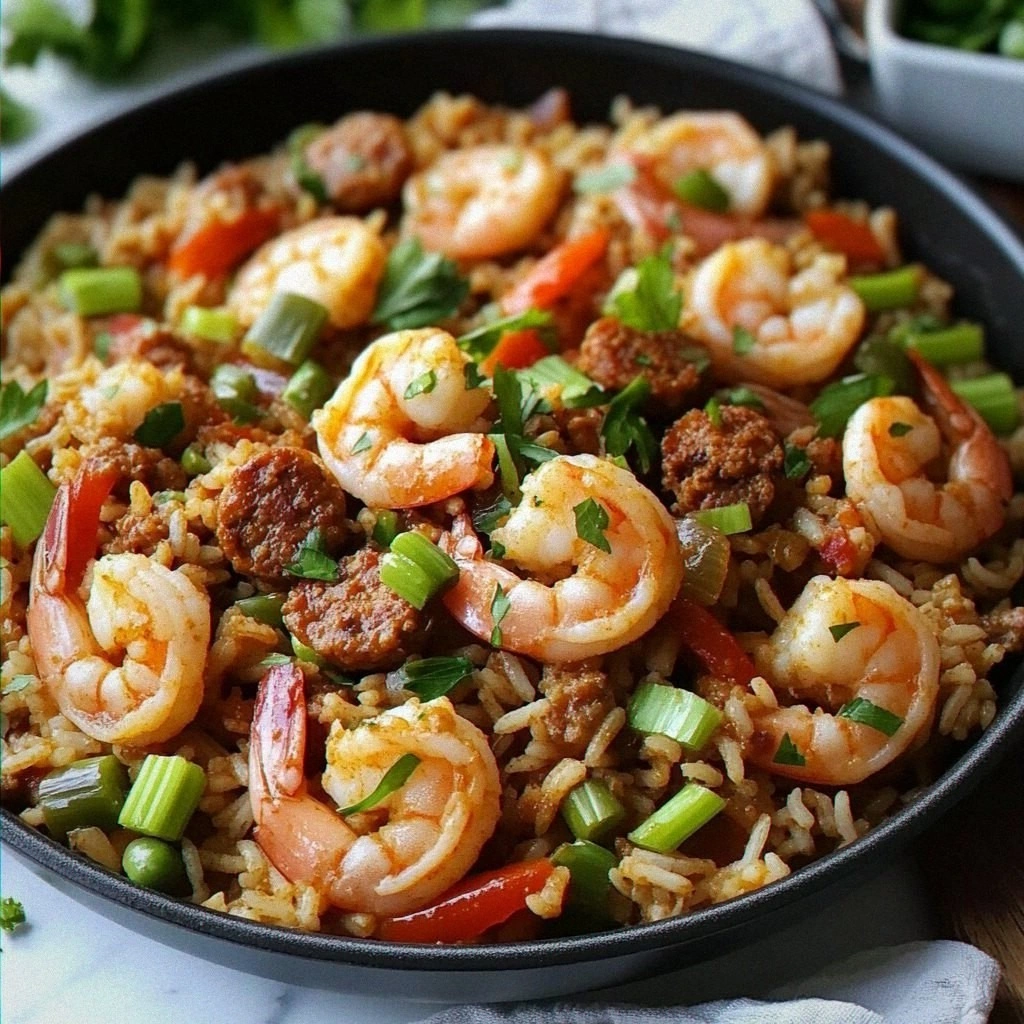
Shrimp Dirty Rice
 Save
Save
The first time I made shrimp dirty rice, I was standing on a cramped kitchen counter in my aunt’s tiny cottage, the late‑summer heat seeping through the cracked window panes. The moment I lifted the lid of the pot, a cloud of earthy, smoky steam rose and curled around the copper pans, instantly transporting me back to the bustling streets of New Orleans where I first tasted the dish at a street‑side stall. The aroma was a heady mix of caramelized onions, the faint sweetness of shrimp, and that unmistakable, deep, almost “dirty” hue that comes from perfectly browned meat crumbles. I could hear the sizzle of the rice hitting the hot pan, a sound that felt like a promise of comfort and bold flavor all at once.
What makes this version of shrimp dirty rice a family favorite isn’t just the ingredients—it’s the love and little secrets that have been passed down through generations. I remember my grandmother whispering, “Never rush the browning; that’s where the soul lives,” and that advice still echoes in my mind every time I hear the rice start to turn a rich mahogany color. The dish balances the delicate sweetness of the shrimp with the savory depth of the ground pork and chicken liver, while a blend of Cajun spices adds a gentle heat that makes your taste buds dance. Imagine serving a steaming bowl that looks like a work of art, the grains speckled with crimson shrimp tails and flecks of green from fresh herbs—your family will be drawn in before they even get a bite.
But wait—there’s a secret trick that takes this dish from good to unforgettable, and I’m not going to spill it just yet. Have you ever wondered why restaurant versions of dirty rice taste so much richer, even though they use the same basic ingredients? The answer lies in a simple step that most home cooks overlook, and I’ll reveal it in the middle of the cooking process. Trust me, once you master that technique, you’ll never look at a pot of rice the same way again.
Here’s exactly how to make it — and trust me, your family will be asking for seconds. From selecting the freshest shrimp to mastering the perfect “dirty” texture, every detail is covered. So roll up your sleeves, preheat that skillet, and get ready for a culinary journey that will become a staple in your own kitchen.
🌟 Why This Recipe Works
- Flavor Depth: The combination of sautéed shrimp, ground pork, and chicken livers creates layers of umami that develop as the ingredients caramelize, delivering a richness that you simply can’t achieve with a single protein.
- Texture Contrast: Fluffy, slightly al dente rice meets the tender bite of shrimp and the crumbly, almost velvety texture of the meat crumbles, giving each spoonful a satisfying mouthfeel.
- Ease of Execution: Although it sounds impressive, the recipe relies on straightforward techniques—browning, simmering, and a quick stir‑fry—making it approachable for cooks of any skill level.
- Time Efficiency: With a prep time of just 15 minutes and a total cook time under an hour, you can have a hearty, restaurant‑quality meal on the table even on a busy weeknight.
- Versatility: The base can be easily adapted to suit dietary preferences, swapping shrimp for chicken or making it entirely vegetarian while keeping the signature “dirty” character.
- Nutrition Balance: Lean protein from shrimp and pork, plus the fiber‑rich rice and vegetables, provide a balanced meal that satisfies both cravings and nutritional goals.
- Ingredient Quality: Using fresh, wild‑caught shrimp and high‑quality spices ensures each bite bursts with authentic flavor, turning a humble dish into a celebration.
- Crowd‑Pleasing Factor: Its bold flavor profile and comforting texture make it a hit at family gatherings, potlucks, and even casual weekday dinners.
🥗 Ingredients Breakdown
The Foundation
Long‑grain white rice is the canvas for this dish. Its neutral flavor lets the spices and proteins shine, while its slightly firm texture holds up beautifully when simmered in broth. If you prefer a nuttier note, you can swap half the rice for brown rice, but remember to adjust the cooking liquid accordingly. The key is to rinse the rice until the water runs clear—this removes excess starch and prevents clumping, ensuring each grain stays separate.
Aromatics & Spices
A classic mirepoix of finely diced onion, celery, and bell pepper forms the aromatic backbone. The onion adds sweetness, the celery contributes a crisp, earthy bite, and the bell pepper introduces a subtle fruitiness. Garlic, minced just before cooking, infuses the oil with its pungent aroma, while a blend of Cajun seasoning—typically paprika, cayenne, thyme, and oregano—brings heat and a smoky undertone. If you love heat, increase the cayenne; if you’re more cautious, start with a pinch and taste as you go.
The Secret Weapons
Ground pork and chicken livers are the “dirty” elements that give the rice its characteristic color and depth. The pork provides a juicy, savory base, while the livers contribute an iron‑rich richness that you can’t replicate with any other meat. If you’re not a fan of liver, you can substitute with extra pork or even ground turkey, but you’ll miss that authentic earthiness. Fresh, wild‑caught shrimp are the stars—look for firm, pink flesh that snaps back when pressed, indicating freshness.
Finishing Touches
A splash of chicken broth (or seafood stock for extra shrimp flavor) keeps the rice moist and infuses it with savory notes. A handful of chopped green onions and a drizzle of melted butter added at the end brighten the dish with fresh, herbaceous notes and a glossy finish. Finally, a squeeze of fresh lemon juice just before serving cuts through the richness, balancing the flavors and adding a hint of brightness that makes the whole plate sing.
With your ingredients prepped and ready, let's get cooking. Here's where the fun really begins...
🍳 Step-by-Step Instructions
🔐 Expert Tips for Perfect Results
The Taste Test Trick
Before you cover the skillet for the final simmer, take a tiny spoonful of the rice and taste it. This is your moment to adjust seasoning—add a pinch more salt, a dash of extra Cajun spice, or a splash of hot sauce if you crave more heat. Trust your palate; it’s the most reliable gauge of flavor balance.
Why Resting Time Matters More Than You Think
Allowing the rice to rest off the heat for five minutes lets the steam redistribute, making each grain fluffier and preventing a soggy bottom. I once rushed this step and ended up with a mushy mess—never skip the rest. The result? A dish that holds its shape on the plate and feels light on the tongue.
The Seasoning Secret Pros Won’t Tell You
Professional chefs often finish a dish like this with a quick splash of white wine or a dash of Worcestershire sauce right before the final stir. The acidity brightens the overall profile, while the umami from Worcestershire deepens the “dirty” flavor. Try it once and you’ll notice the subtle lift it provides.
Choosing the Right Shrimp
Size matters. I recommend medium‑to‑large shrimp (about 31–40 count per pound) because they retain their juiciness and give you a satisfying bite. Larger shrimp can become rubbery if overcooked, while smaller ones risk disappearing into the rice. Look for firm, translucent flesh and a faint sea scent—these are signs of freshness.
The Power of a Good Pan
A heavy‑bottomed skillet or cast‑iron pan distributes heat evenly, preventing hot spots that can scorch the rice. If you’re using a thinner pan, keep the heat on medium‑low once the broth is added, and stir gently to avoid burning. My favorite tip: pre‑heat the pan for a minute before adding oil—this helps achieve that coveted caramelized crust on the meat.
🌈 Delicious Variations to Try
One of my favorite things about this recipe is how versatile it is. Here are some twists I've tried and loved:
Cajun Sausage & Andouille Twist
Swap the ground pork for sliced Andouille sausage, adding a smoky, spicy kick. The sausage slices render fat that infuses the rice, creating a richer mouthfeel. Expect a deeper, wood‑smoked flavor that pairs perfectly with the shrimp.
Vegetarian “Dirty” Rice
Replace the meat with a mixture of crumbled tempeh and finely diced mushrooms, seasoned with the same Cajun blend. The mushrooms provide an earthy umami that mimics the “dirty” character, while tempeh adds protein and a pleasant bite. This version is just as hearty and satisfying.
Coconut & Lime Fusion
Swap half the chicken broth for coconut milk and finish with a generous squeeze of fresh lime juice. The coconut adds a subtle sweetness that balances the heat, while the lime brightens the dish, giving it a tropical twist that’s perfect for summer evenings.
Spicy Chipotle Infusion
Add a minced chipotle pepper in adobo sauce along with the Cajun seasoning for a smoky, smoky heat. The chipotle’s deep, smoky flavor pairs beautifully with the shrimp and rice, creating a bold, unforgettable profile.
Herb‑Infused Green Rice
Stir in a handful of chopped fresh basil and parsley right before serving, and replace half the white rice with spinach‑infused rice for a vibrant green hue. The herbs add freshness, while the spinach gives a subtle earthy note and a pop of color.
📦 Storage & Reheating Tips
Refrigerator Storage
Allow the shrimp dirty rice to cool to room temperature for no more than two hours, then transfer it to an airtight container. It will keep fresh in the refrigerator for up to three days. To preserve the rice’s texture, store the broth separately and re‑mix before reheating.
Freezing Instructions
Portion the rice into freezer‑safe bags or containers, leaving a little headspace for expansion. Freeze for up to two months. When you’re ready to enjoy, thaw overnight in the fridge, then reheat gently on the stovetop with a splash of broth to revive the moisture.
Reheating Methods
The trick to reheating without drying it out? Add a tablespoon of water or broth per serving, cover the skillet, and warm over low heat, stirring occasionally. If you’re in a hurry, a microwave works too—cover the bowl with a damp paper towel and heat in 30‑second bursts, stirring between intervals.
❓ Frequently Asked Questions
Can I use brown rice instead of white rice?
What if I don’t have chicken livers?
How spicy is this recipe?
Can I make this dish in a rice cooker?
Is it okay to use frozen shrimp?
What side dishes pair well with shrimp dirty rice?
Can I make this recipe gluten‑free?
How do I prevent the rice from sticking to the pan?
Similar Recipes
 Dinner
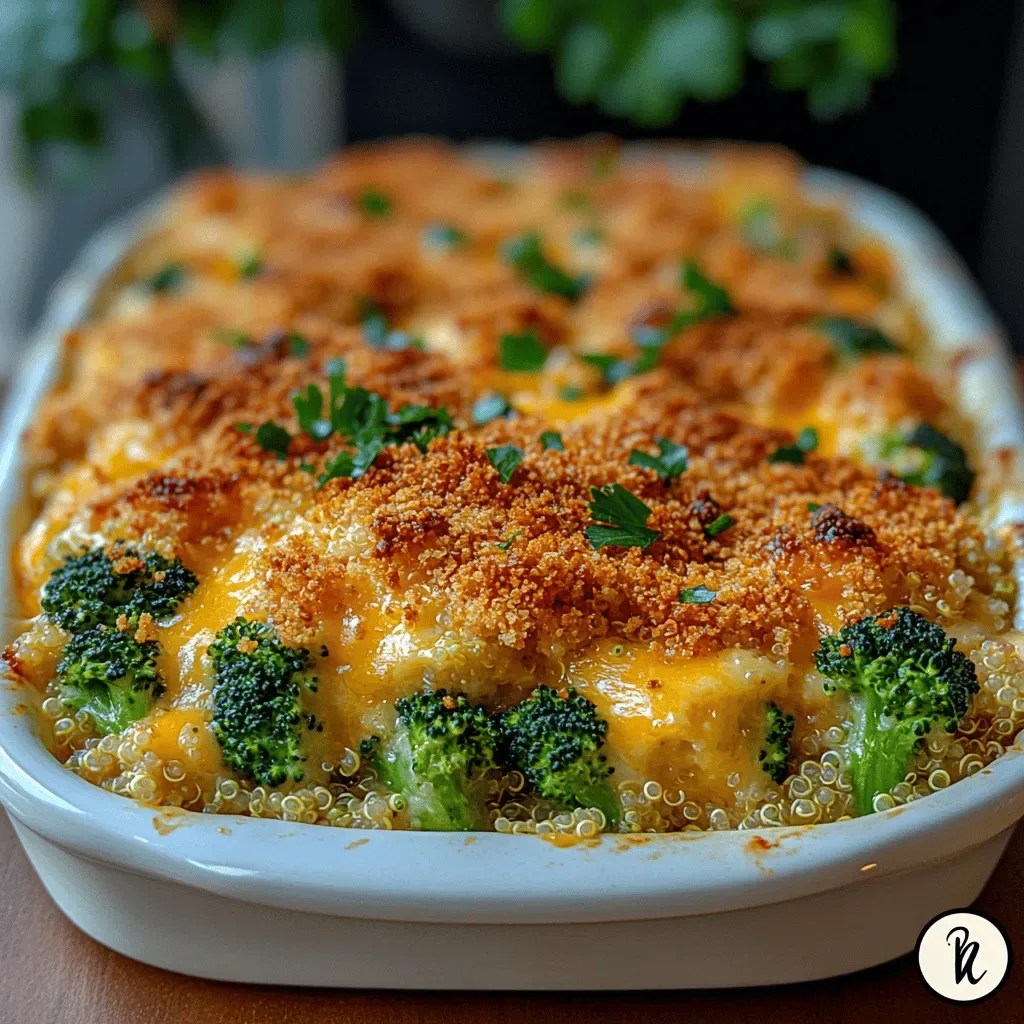
Cheesy Broccoli Delight Bake: A Comforting Dish for Every Occasion
Delicious Cheesy Broccoli Delight Bake: A Comforting Dish for Every Occasion
 Dinner
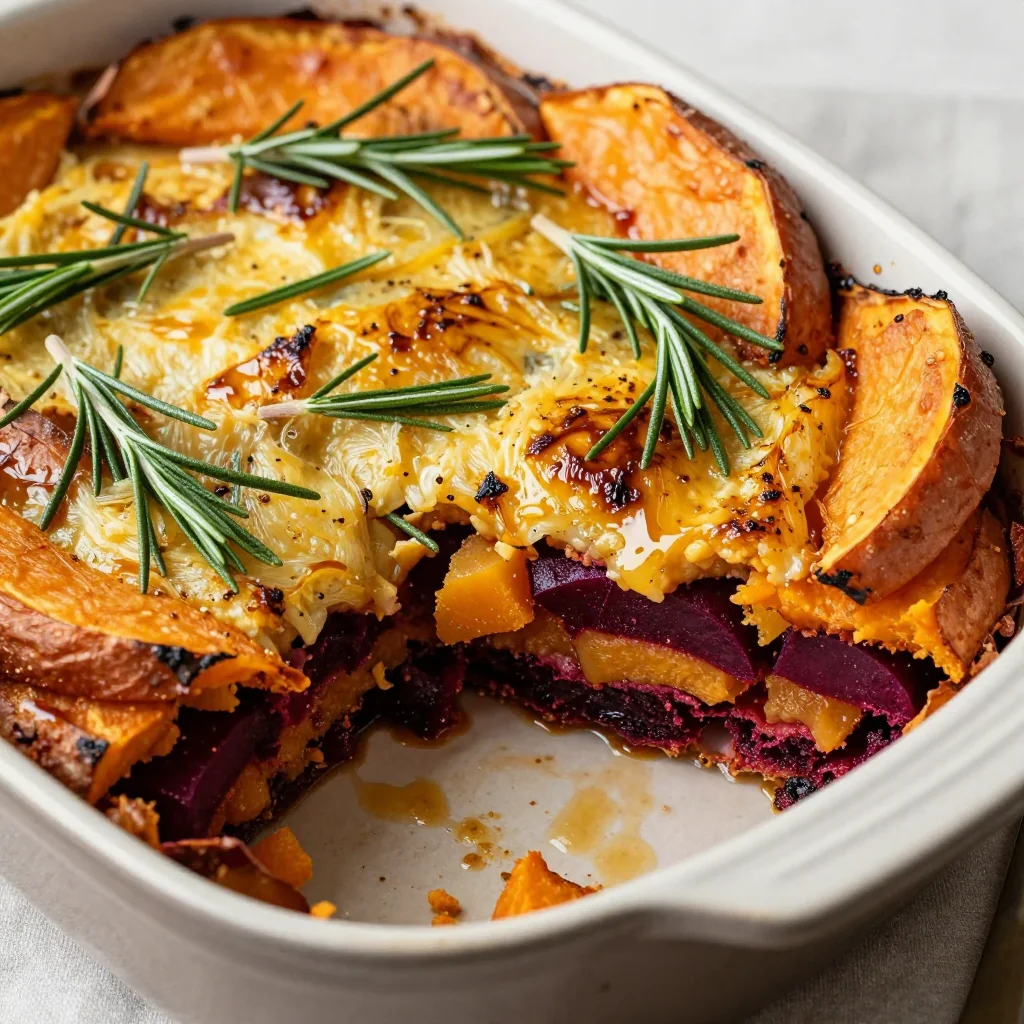
cozy baked sweet potato and beet casserole with rosemary for family meals
Learn how to make delicious cozy baked sweet potato and beet casserole with rosemary for family…
 Dinner
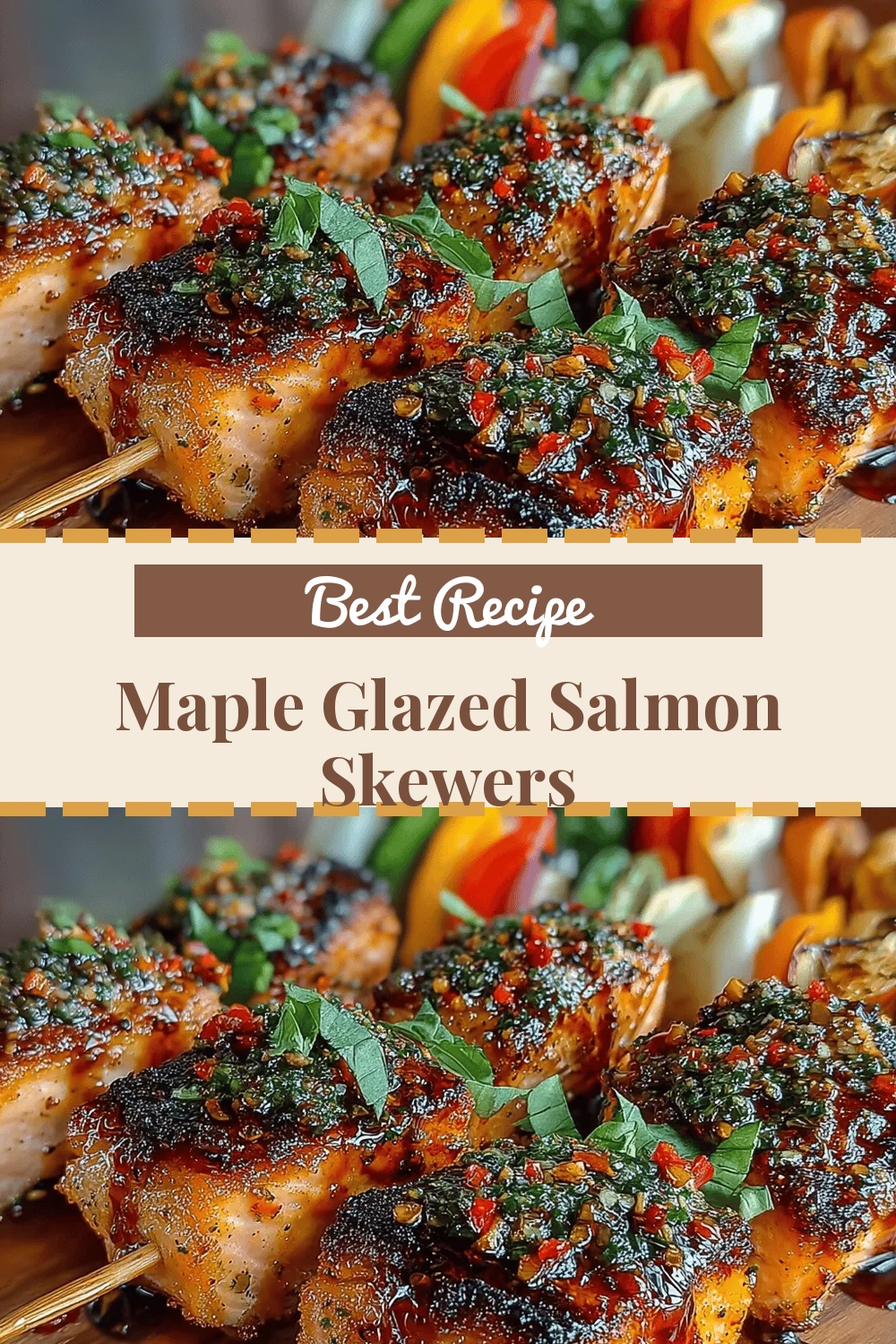
Maple Glazed Salmon Skewers
Delicious Maple Glazed Salmon Skewers
 Dinner
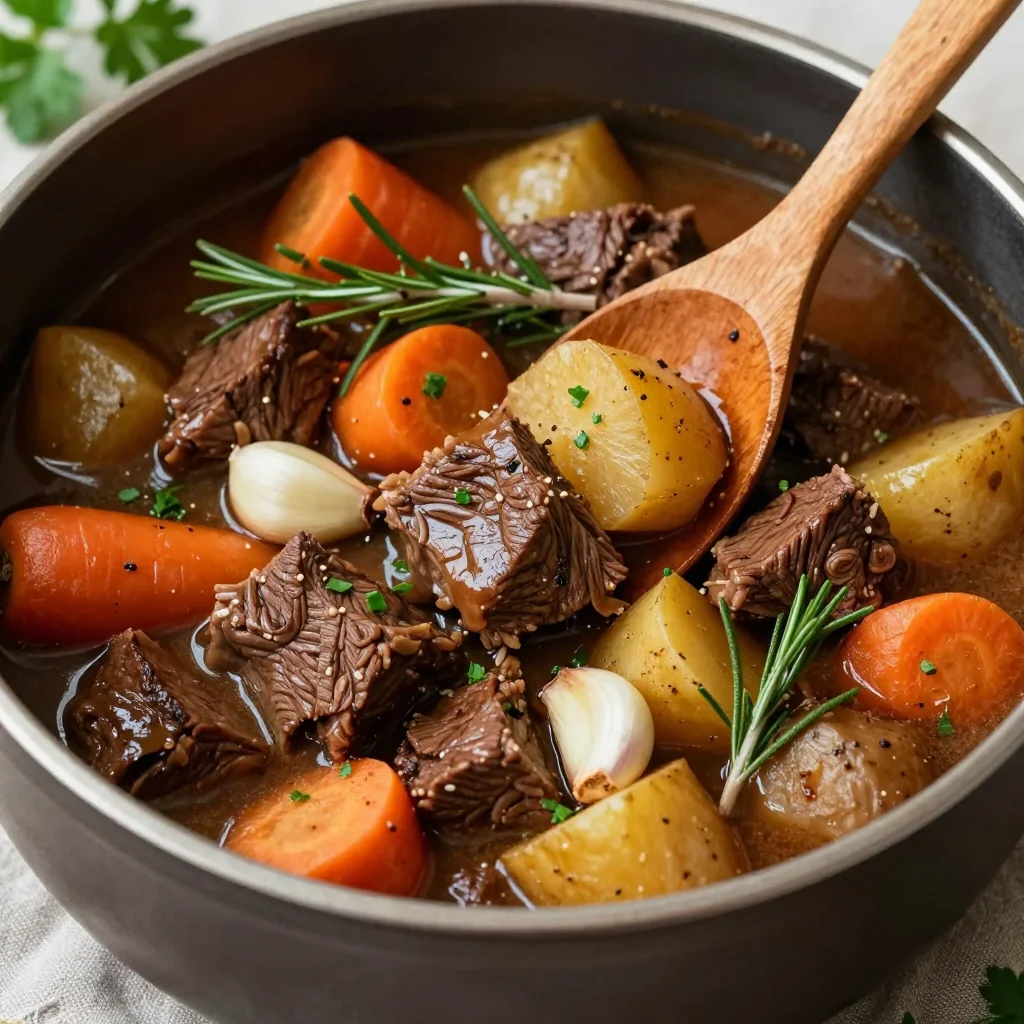
garlic and rosemary beef stew with mixed winter vegetables for family suppers
Learn how to make delicious garlic and rosemary beef stew with mixed winter vegetables for family…
 Dinner
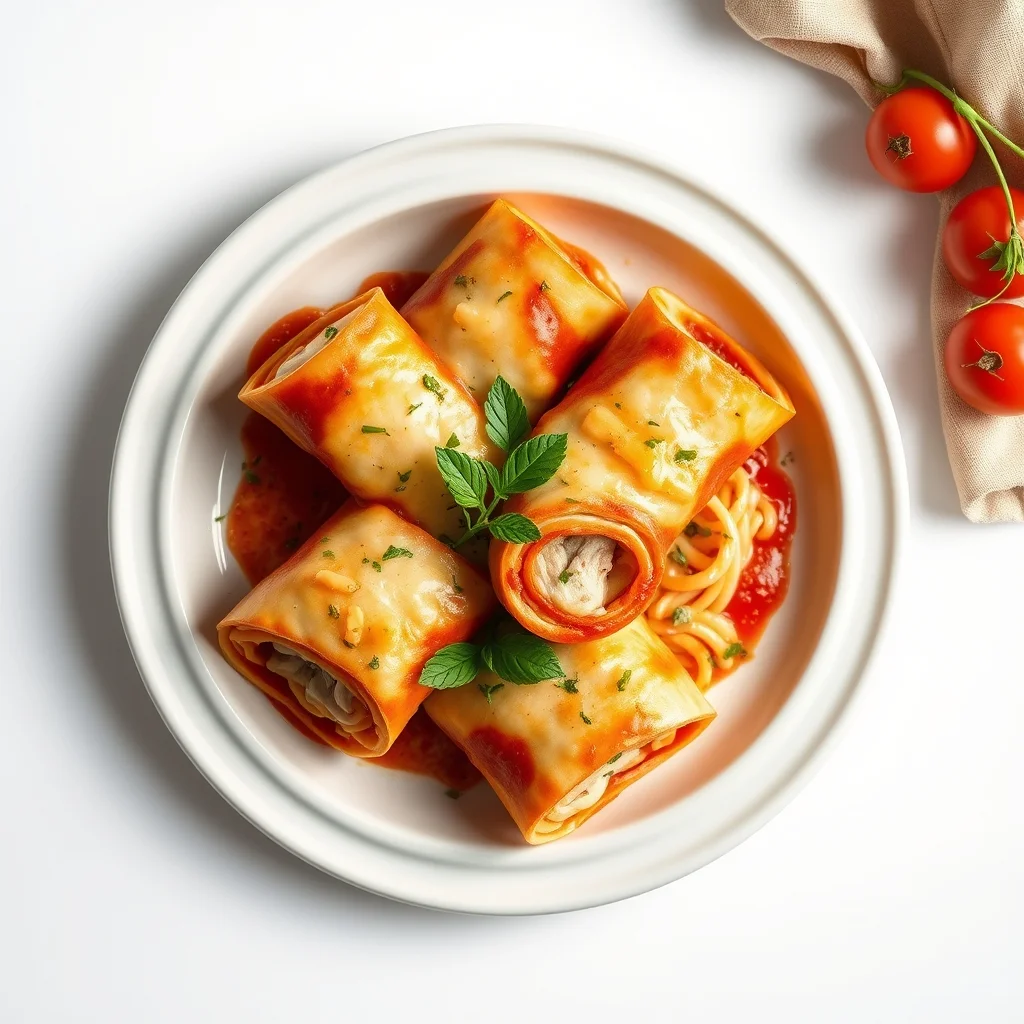
Turkey Lasagna Roll-Ups
Try these turkey lasagna roll-ups for a fast, healthy dinner. Lean turkey, mozzarella, and marinara are…
 Dinner
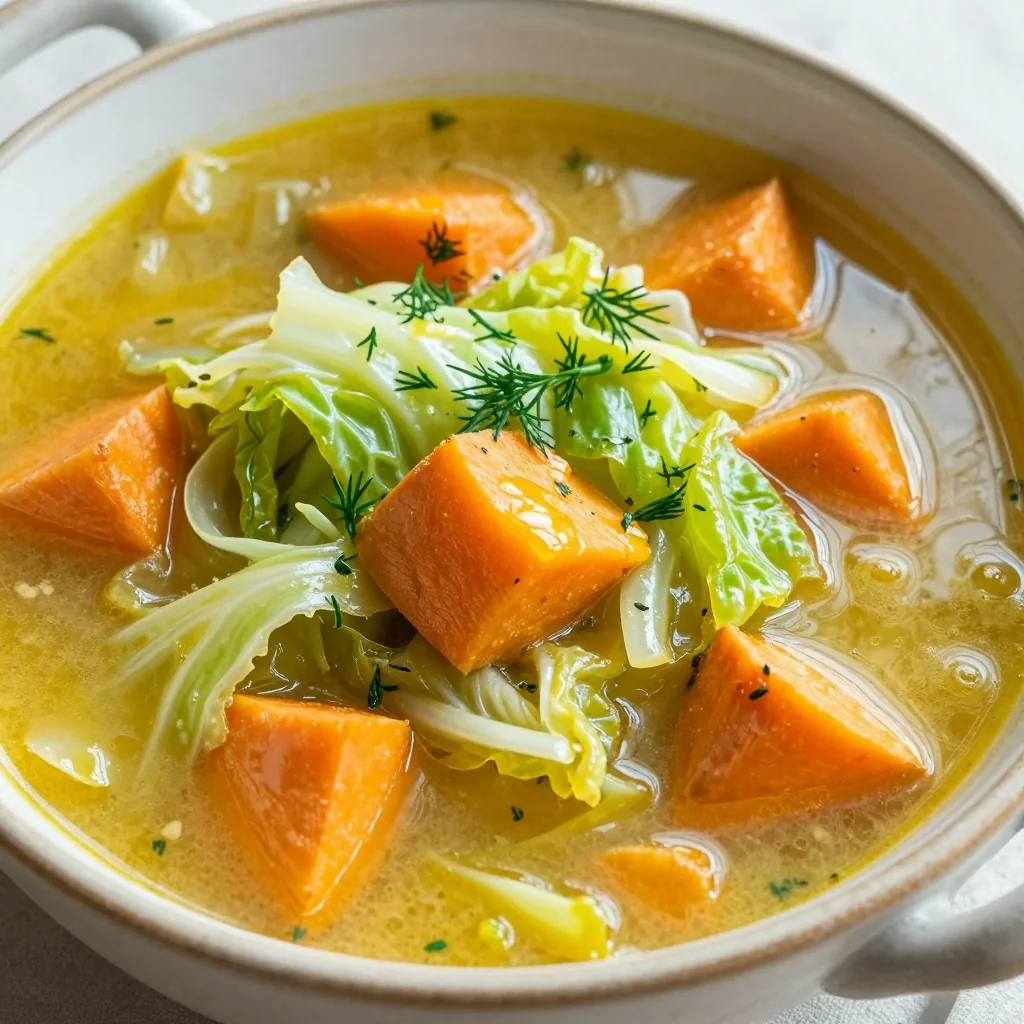
onepot cabbage and sweet potato soup with lemon for clean eating
Whip up this one-pot cabbage and sweet potato soup with zesty lemon for a clean-eating, cozy…
 Dinner
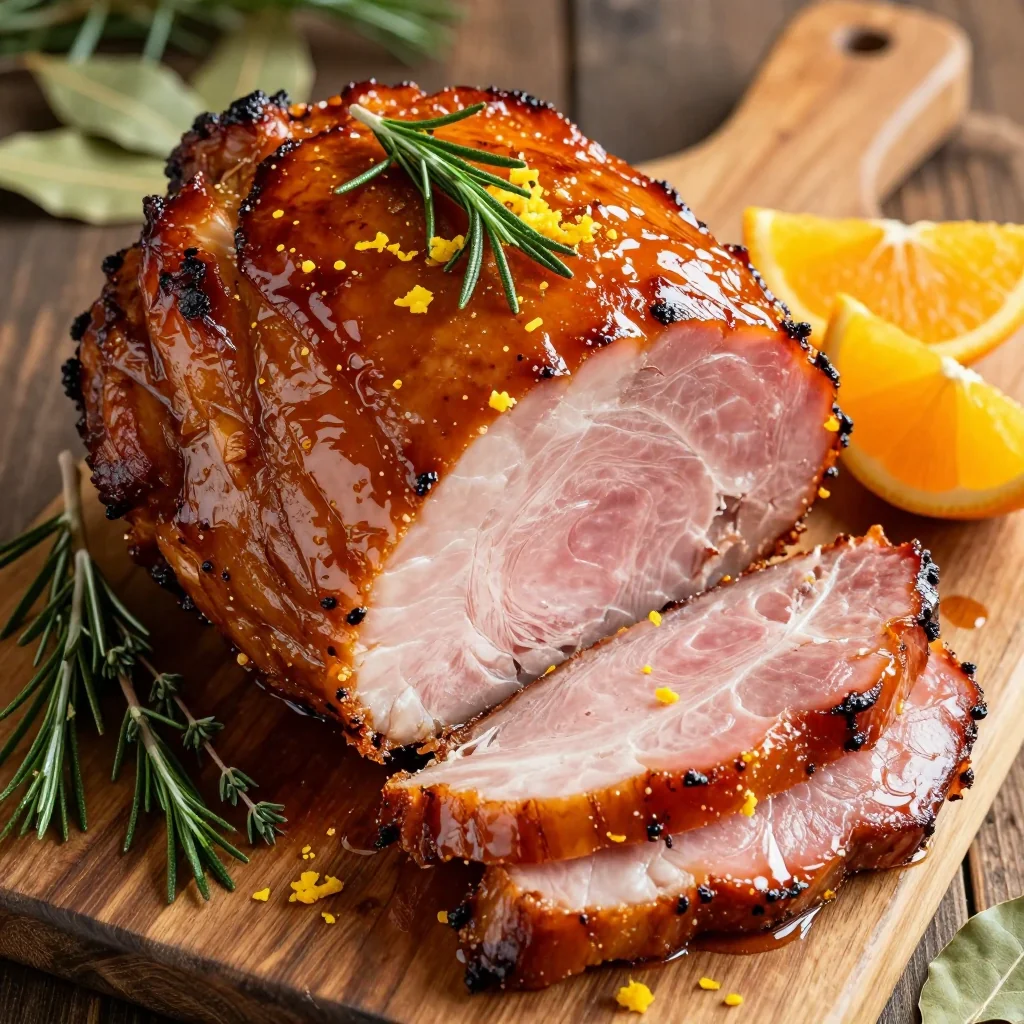
moist honey glazed ham with citrus and fresh herb rub for christmas
Learn how to make delicious moist honey glazed ham with citrus and fresh herb rub for…
 Dinner
Garlic Butter Chicken Zucchini Pasta Recipe
Delicious Garlic Butter Chicken Zucchini Pasta Recipe

Victoria
I cook these recipes at home before they ever land here — simple ingredients, clear steps.
Other Reader Favorites
 Appetizers
Loaded BBQ Chicken Baked Fries
Delicious Loaded BBQ Chicken Baked Fries
 Desserts
Irresistible Air Fryer Teriyaki Chicken: A Flavorful Journey
Delicious Irresistible Air Fryer Teriyaki Chicken: A Flavorful Journey
 Appetizers
Crispy Parmesan Crusted Salmon for Easy Gourmet Nights
Learn how to make delicious Crispy Parmesan Crusted Salmon for Easy Gourmet Nights. Easy recipe with…
 Appetizers
warm roasted beet and orange salad with toasted walnuts for january
Brighten winter with this vibrant Warm Roasted Beet & Orange Salad topped with toasted walnuts. Try…