Spicy Tropical Chickpea Curry: A Flavorful Journey into Plant-Based Cooking
 Save
Save
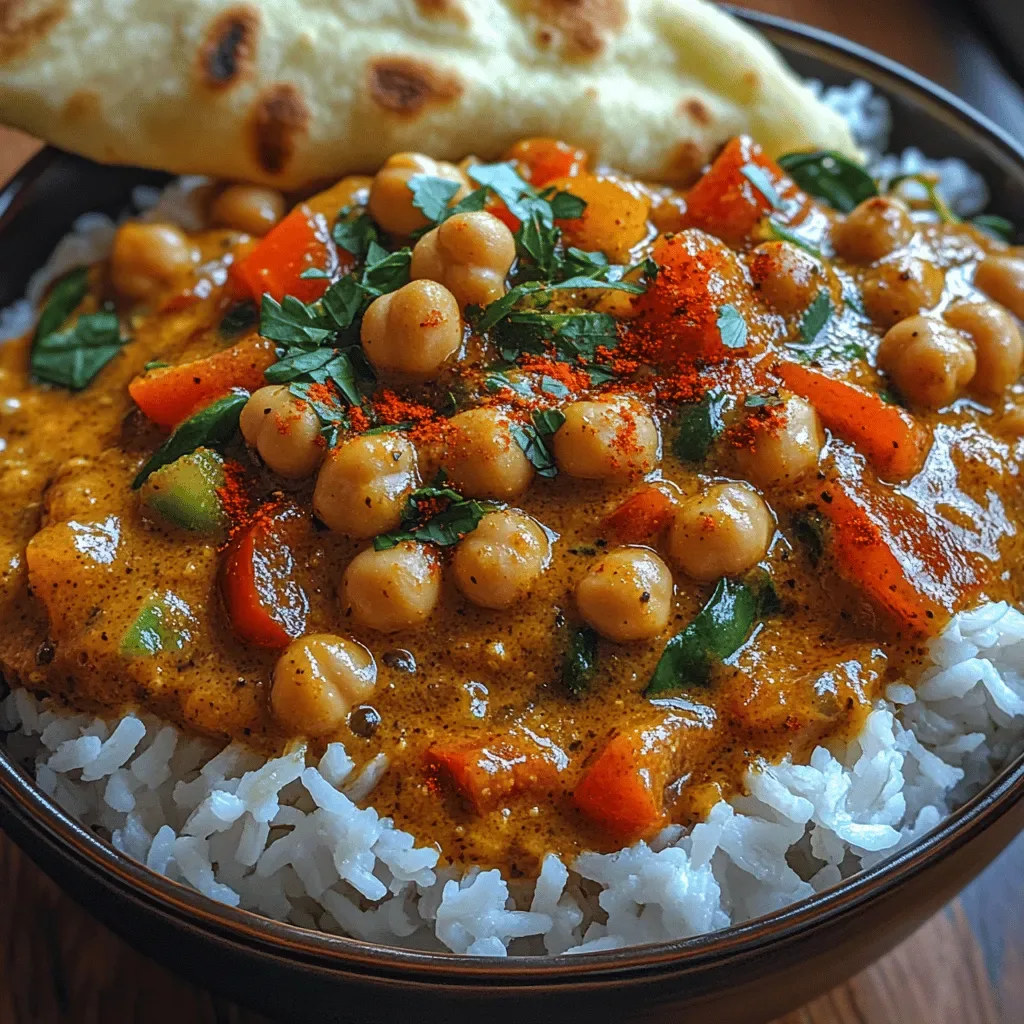
Imagine a curry that transports you straight to a sun‑kissed beach, where the heat of chilies meets the sweet perfume of tropical fruits. This Spicy Tropical Chickpea Curry delivers that exact passport‑free escape, all while staying firmly plant‑based.
What makes it special is the marriage of creamy coconut milk, tangy pineapple, and ripe mango with a bold Thai red‑curry paste. The result is a sauce that’s simultaneously silky, sweet, and peppery—an orchestra of flavors that never competes for attention.
Busy professionals, weekend brunch hosts, and anyone craving a nutritious comfort meal will adore this dish. It shines at lunchboxes, dinner tables, or as a vibrant party starter, especially when you want something bright and satisfying.
The cooking process is straightforward: sauté aromatics, toast the spices, stir in the fruit‑laden sauce, and let the chickpeas simmer until they soak up every tropical nuance. In under an hour you’ll have a bowl‑full of sunshine.
Why You'll Love This Recipe
Bold Tropical Flavor: The blend of pineapple, mango, and lime creates a bright, exotic backdrop that turns an ordinary chickpea curry into a vacation‑in‑a‑bowl experience.
Protein‑Packed & Plant‑Based: Chickpeas deliver a hearty dose of protein and fiber, making the dish satisfying without any animal products.
One‑Pan Simplicity: All steps happen in a single skillet or pot, reducing cleanup and keeping the cooking flow smooth for even novice cooks.
Customizable Heat Level: Adjust the amount of red‑curry paste or add fresh chilies to dial the spice up or down, fitting any palate.
Tips & Tricks
Perfecting the Recipe
Dry Chickpeas First: Patting them dry before adding to the pan ensures they brown slightly and don’t dilute the sauce.
Control Heat Gradually: Start on medium‑high for aromatics, then lower to a gentle simmer for the sauce to avoid scorching.
Use Fresh Lime Juice: Freshly squeezed juice adds brightness that bottled juice can’t match.
Finish Uncovered: Removing the lid for the last few minutes helps thicken the sauce and intensify flavor.
Flavor Enhancements
Add a splash of tamarind paste for a subtle sour note, or stir in a tablespoon of peanut butter for creamy nuttiness. Fresh basil or Thai basil leaves tossed in at the end elevate the aromatic profile without extra effort.
Common Mistakes to Avoid
Avoid boiling the coconut milk aggressively; high heat can cause it to separate and become grainy. Also, don’t add the fruit too early—overcooking will turn pineapple and mango mushy, losing their fresh texture.
Pro Tips
Toast the Coconut Flakes: Lightly toast them in a dry pan for 2 minutes to bring out a deeper, buttery aroma.
Season in Layers: Add a pinch of salt after sautéing aromatics and again after the sauce simmers to build depth.
Use a Wide Pan: A broader surface area promotes even evaporation, giving a richer, thicker sauce.
Garnish Just Before Serving: Fresh cilantro and toasted coconut lose their crunch if left too long in the hot curry.
Variations
Ingredient Swaps
Replace chickpeas with firm tofu cubes for a softer bite, or use black beans for an earthier flavor. Swap pineapple for diced papaya or kiwi for a different tropical twist. If you prefer less sweetness, substitute mango with sliced peaches or omit the fruit entirely and add extra vegetables.
Dietary Adjustments
The recipe is naturally gluten‑free; just ensure your curry paste is certified gluten‑free. For a lower‑carb version, serve the curry over cauliflower rice or shirataki noodles. To keep it nut‑free, skip the toasted coconut flakes or replace them with toasted pumpkin seeds.
Serving Suggestions
Pair the curry with jasmine or basmati rice for a classic combo, or with quinoa for added protein. A side of crisp cucumber‑mint salad cuts through the richness, while warm naan (or gluten‑free flatbread) provides a handy vehicle for scooping up sauce.
Storage Info
Leftover Storage
Cool the curry to room temperature, then transfer it to an airtight container. Refrigerate for up to 4 days. For longer keeping, portion into freezer‑safe bags, squeeze out excess air, and freeze for up to 3 months. Thaw overnight in the fridge before reheating.
Reheating Instructions
Reheat gently on the stovetop over low‑medium heat, adding a splash of coconut milk or water if the sauce has thickened too much. Stir frequently until steaming hot, about 5‑7 minutes. In a microwave, cover a bowl loosely and heat on medium power for 2‑3 minutes, stirring halfway through.
Frequently Asked Questions
Can I make this curry ahead of time?
How spicy is this dish, and can I adjust the heat?
What side dishes pair best with this curry?
Can I substitute the coconut milk with another liquid?
This Spicy Tropical Chickpea Curry blends bold heat, sweet island fruit, and creamy coconut for a truly unforgettable plant‑based meal. With clear steps, storage tips, and plenty of variations, you have everything needed to make it a staple in your kitchen. Feel free to experiment with proteins, spices, or sides—cooking is your personal adventure. Serve it hot, share it widely, and enjoy every vibrant bite!
Spicy Tropical Chickpea Curry: A Flavorful Journey into Plant-Based Cooking
Delicious Spicy Tropical Chickpea Curry: A Flavorful Journey into Plant-Based Cooking
Ingredients
Main Ingredients
- 2 cans (15 oz each) chickpeas, drained and rinsed
- 1 cup fresh pineapple chunks
- 1 ripe mango, diced
- 1 red bell pepper, sliced
- 1 medium onion, chopped
Sauce / Marinade
- 1 ½ cups full‑fat coconut milk
- 2 tbsp Thai red‑curry paste
- 1 tbsp lime juice (freshly squeezed)
- 1 tbsp brown sugar or coconut sugar
Seasonings & Garnish
- 2 cloves garlic, minced
- 1 inch fresh ginger, grated
- ½ tsp sea salt (or to taste)
- ¼ tsp freshly ground black pepper
- 2 tbsp fresh cilantro, chopped
- 1 tbsp toasted coconut flakes (optional)
- 2 tbsp vegetable oil
Instructions
Building the Curry
- Heat the Oil. Place a large skillet or saucepan over medium heat for 2 minutes. Add 2 tbsp vegetable oil and swirl until it shimmers. The oil must be hot enough to sizzle the aromatics without smoking, which ensures a clean, fragrant start.
- Sauté Aromatics. Add the chopped onion, minced garlic, and grated ginger. Cook, stirring frequently, for 3‑4 minutes until the onion turns translucent and the mixture smells sweet and pungent. This step layers the flavor foundation for the entire curry.
- Introduce the Curry Paste. Stir in 2 tbsp Thai red‑curry paste. Cook for 1‑2 minutes, allowing the paste to release its oils and deepen in color. You’ll notice a richer aroma—a sign the paste is fully awakened.
- Deglaze & Add Liquids. Pour in 1 ½ cups coconut milk while scraping the browned bits from the pan’s bottom. Add 1 tbsp lime juice and 1 tbsp brown sugar. Bring the mixture to a gentle simmer; you should see tiny bubbles forming around the edges.
- Combine Chickpeas & Fruit. Add the drained chickpeas, pineapple chunks, mango dice, and sliced bell pepper. Stir to coat everything evenly. Reduce heat to low, cover, and let the curry simmer for 12‑15 minutes. The chickpeas will absorb the tropical flavors while the fruit softens just enough to release its juices.
- Season & Finish. Taste the sauce and adjust with ½ tsp sea salt and ¼ tsp black pepper. If you crave more heat, stir in a pinch of crushed red‑pepper flakes. Finally, sprinkle 2 tbsp fresh cilantro and 1 tbsp toasted coconut flakes for brightness and texture.
Similar Recipes
 Dinner
Cheesy Tomato Zucchini Delight: A Flavorful and Healthy Dish
Delicious Cheesy Tomato Zucchini Delight: A Flavorful and Healthy Dish
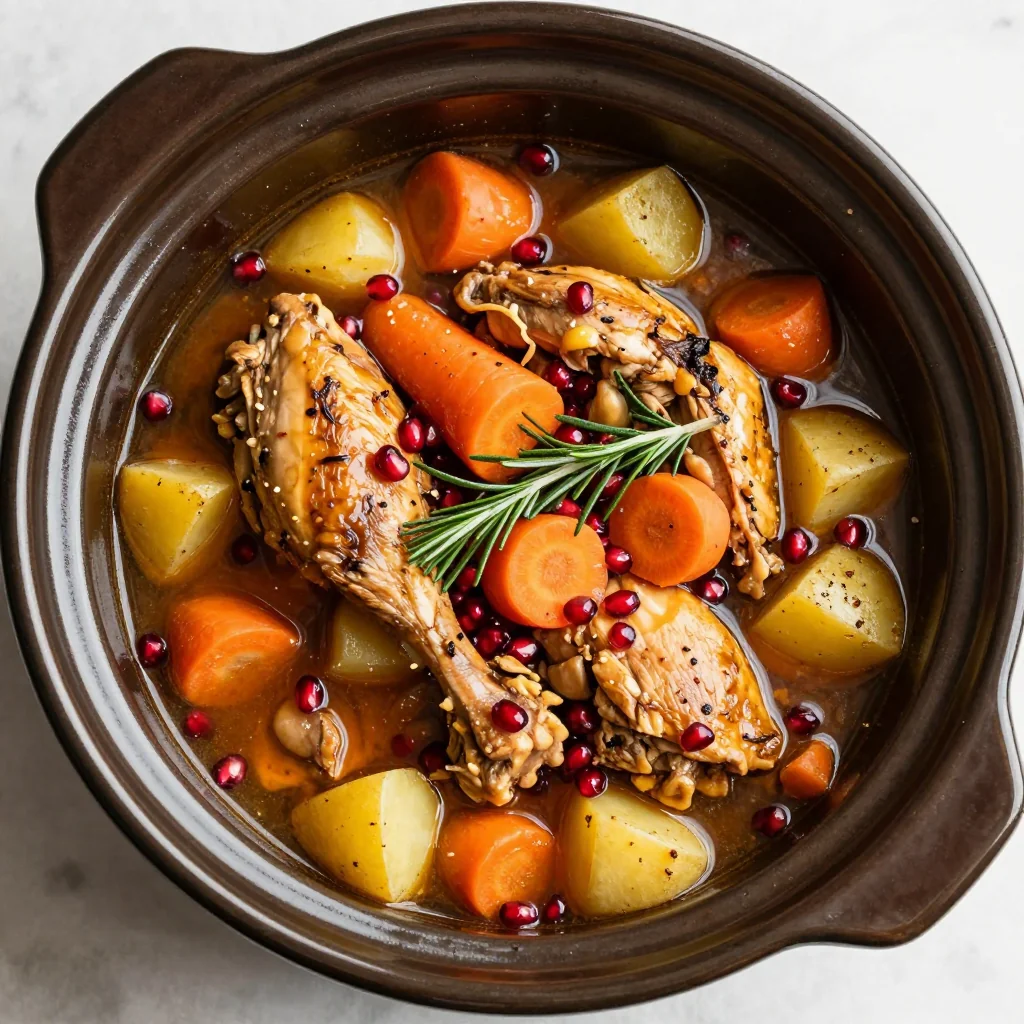 Dinner
batch cooking slow cooker chicken and winter vegetable stew for families
Learn how to make delicious batch cooking slow cooker chicken and winter vegetable stew for families.…
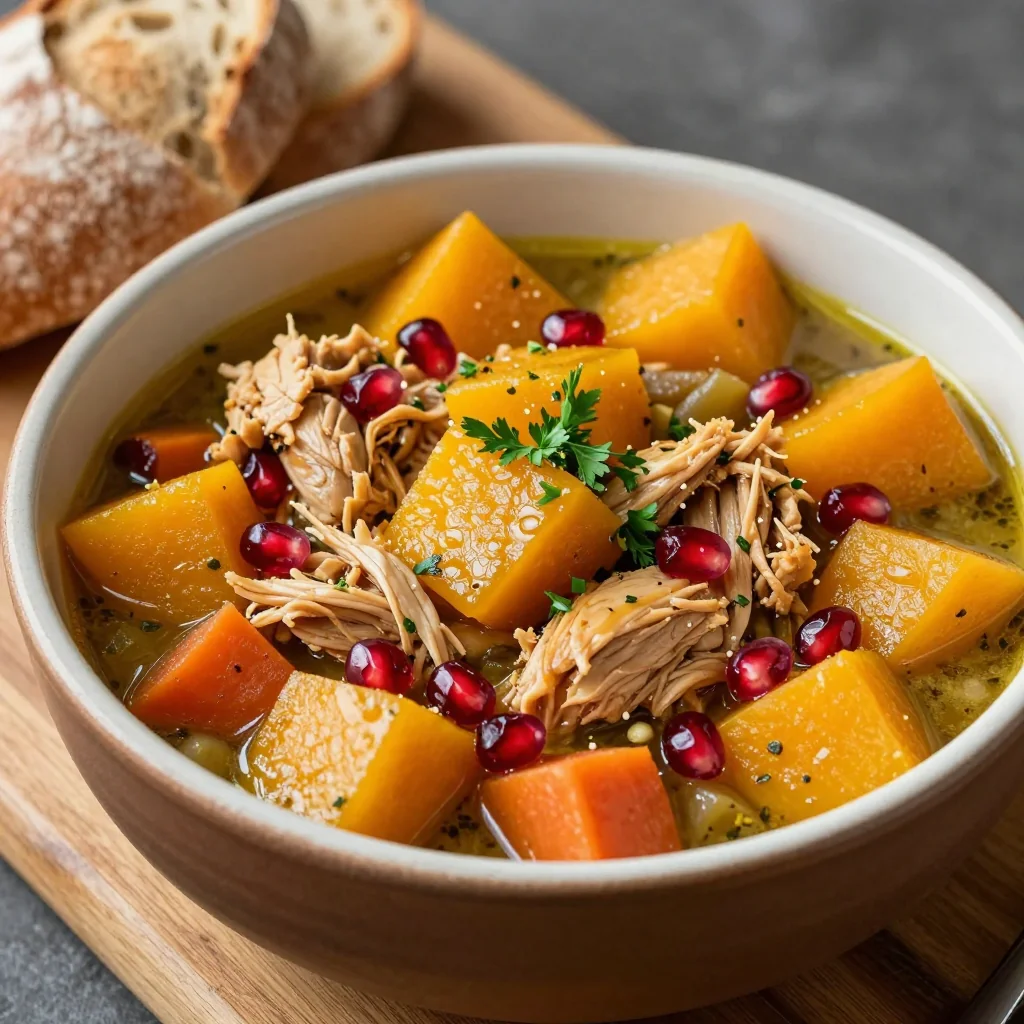 Dinner
familyfriendly slow cooker chicken and winter squash stew
Learn how to make delicious familyfriendly slow cooker chicken and winter squash stew. Easy recipe with…
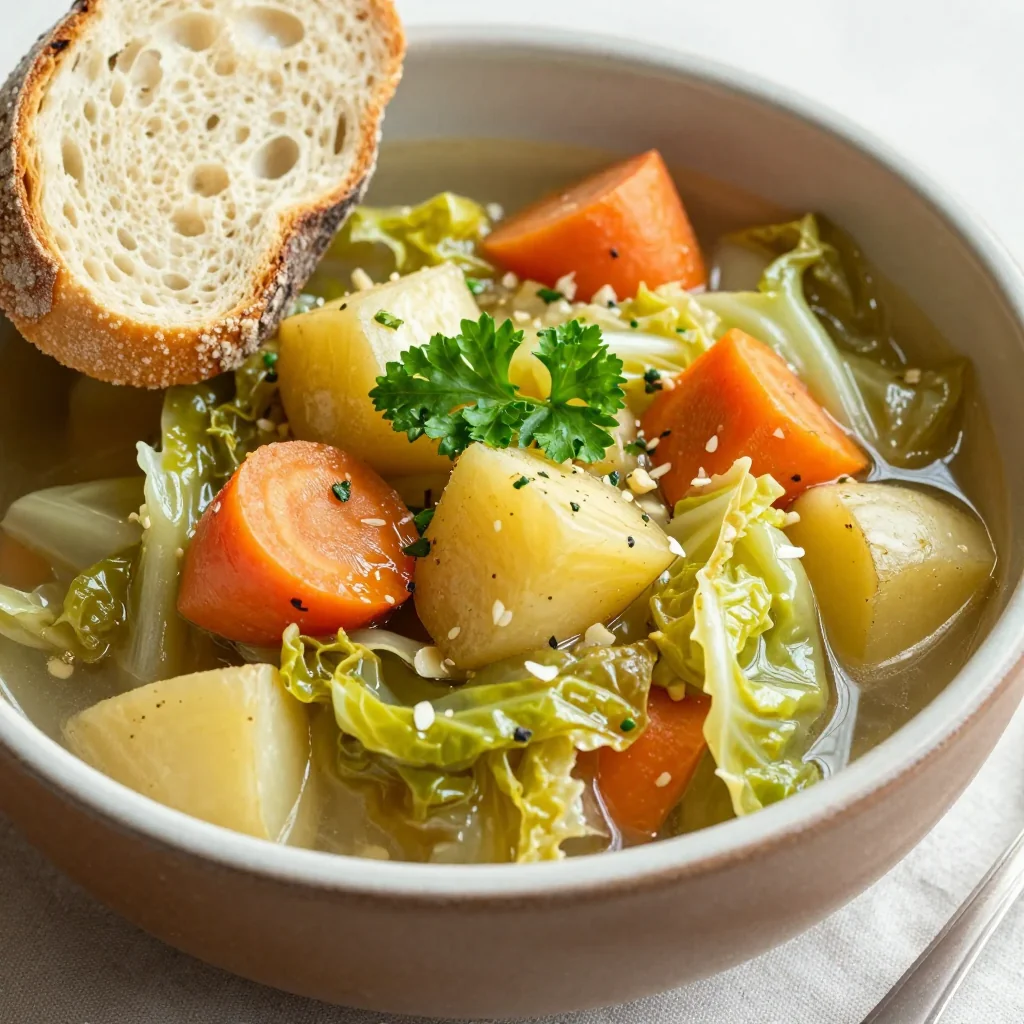 Dinner
onepot winter vegetable and cabbage stew with garlic for family dinners
Learn how to make delicious onepot winter vegetable and cabbage stew with garlic for family dinners.…
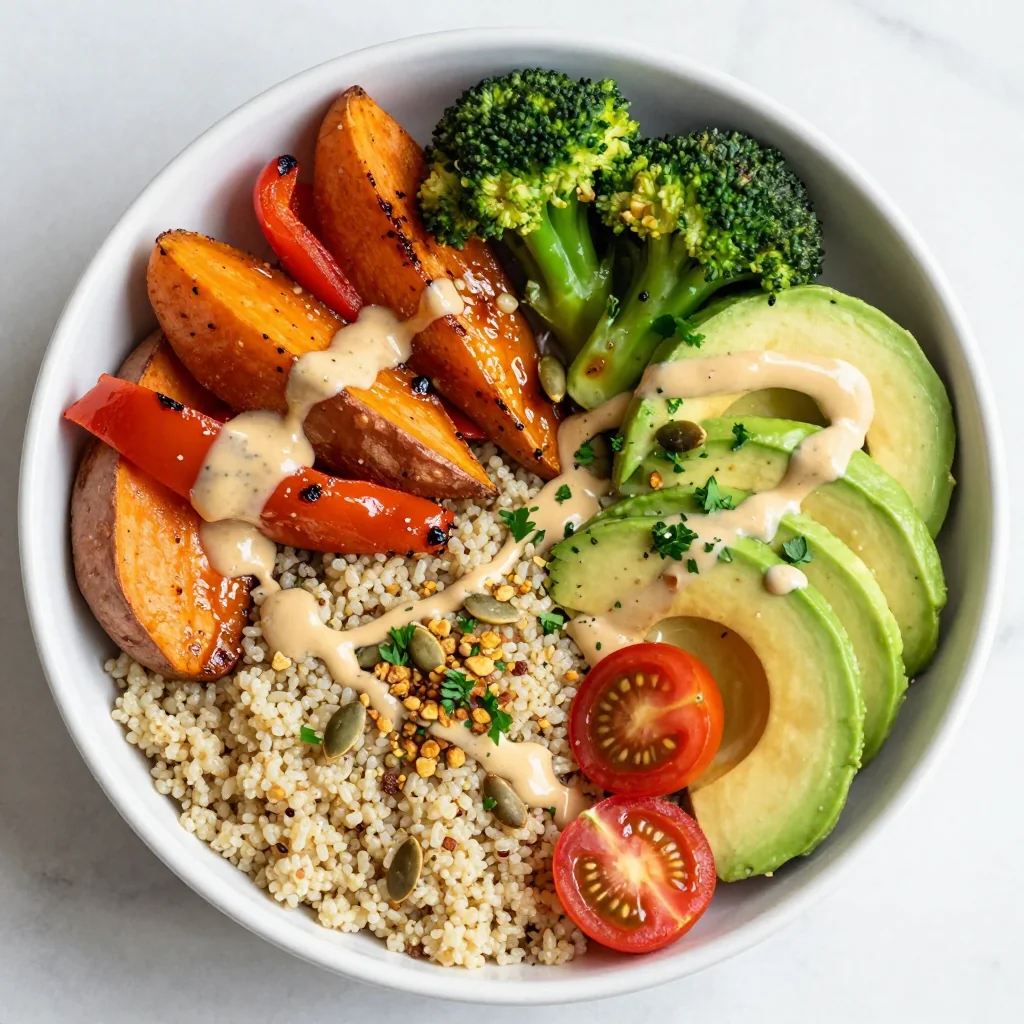 Dinner
Clean Eating Roasted Veggie Quinoa Bowl for Meal Prep
Learn how to make delicious Clean Eating Roasted Veggie Quinoa Bowl for Meal Prep. Easy recipe…
 Dinner
Cheesy Beef and Quinoa Casserole Delight
Delicious Cheesy Beef and Quinoa Casserole Delight
 Dinner
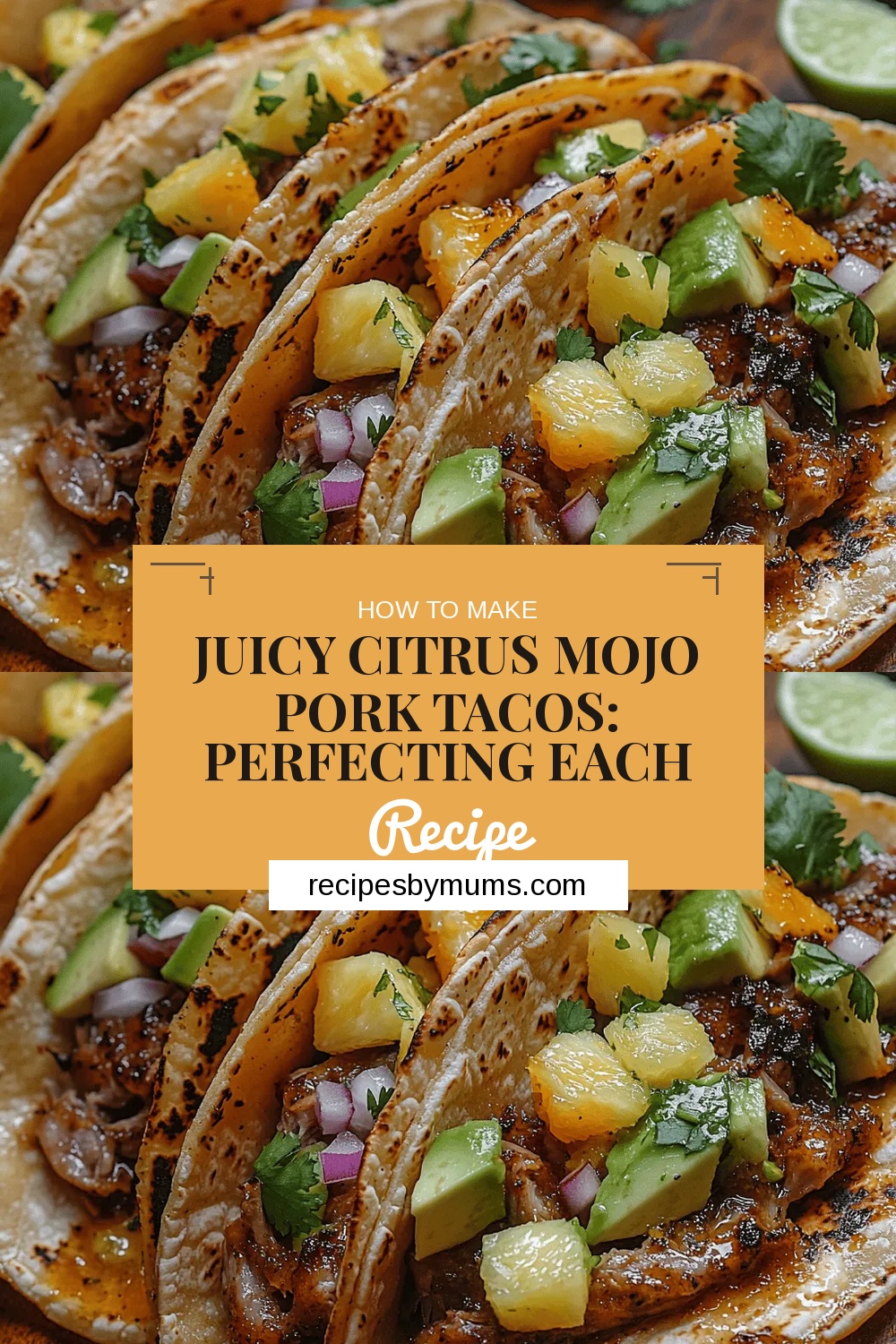
Juicy Citrus Mojo Pork Tacos: Perfecting Each Step for a Flavorful Experience
Delicious Juicy Citrus Mojo Pork Tacos: Perfecting Each Step for a Flavorful Experience
 Dinner
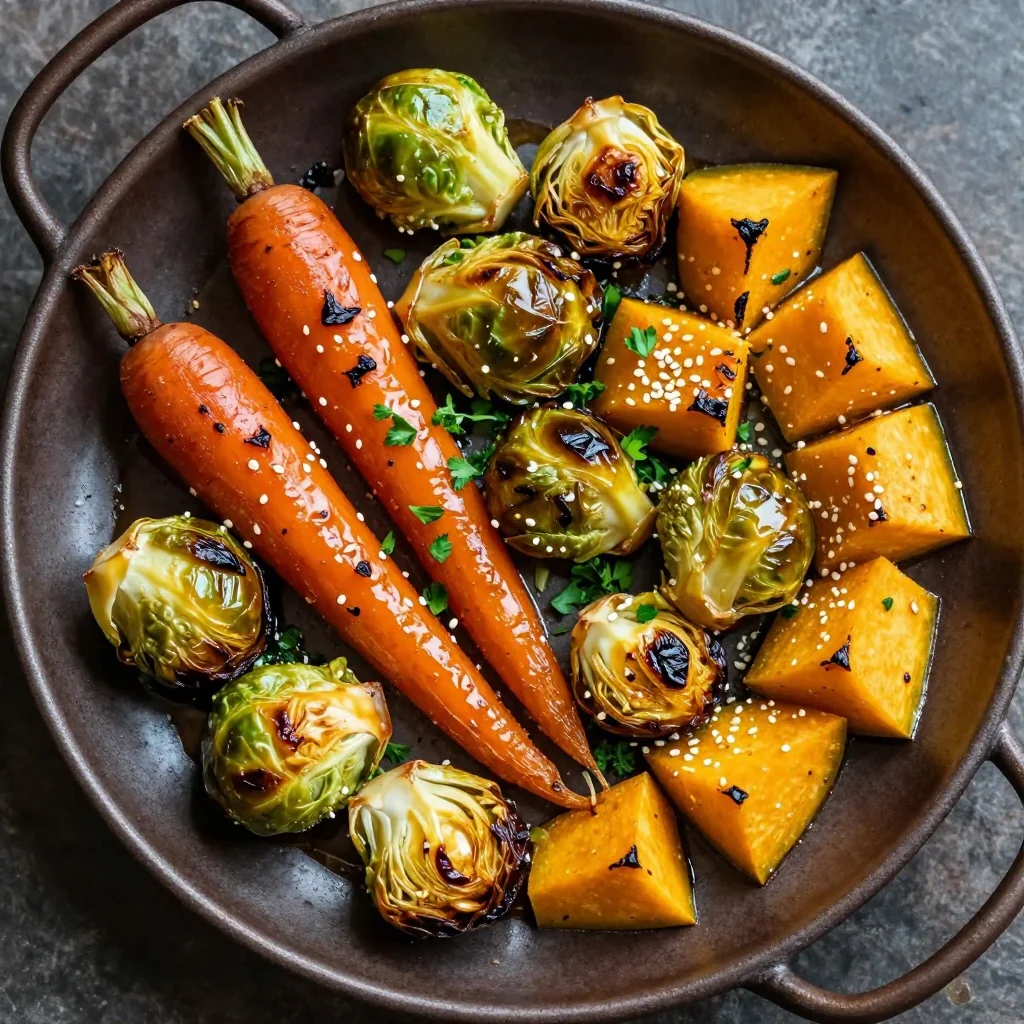
healthy lemongarlic roasted winter vegetables for clean eating
Learn how to make delicious healthy lemongarlic roasted winter vegetables for clean eating. Easy recipe with…

Victoria
I cook these recipes at home before they ever land here — simple ingredients, clear steps.