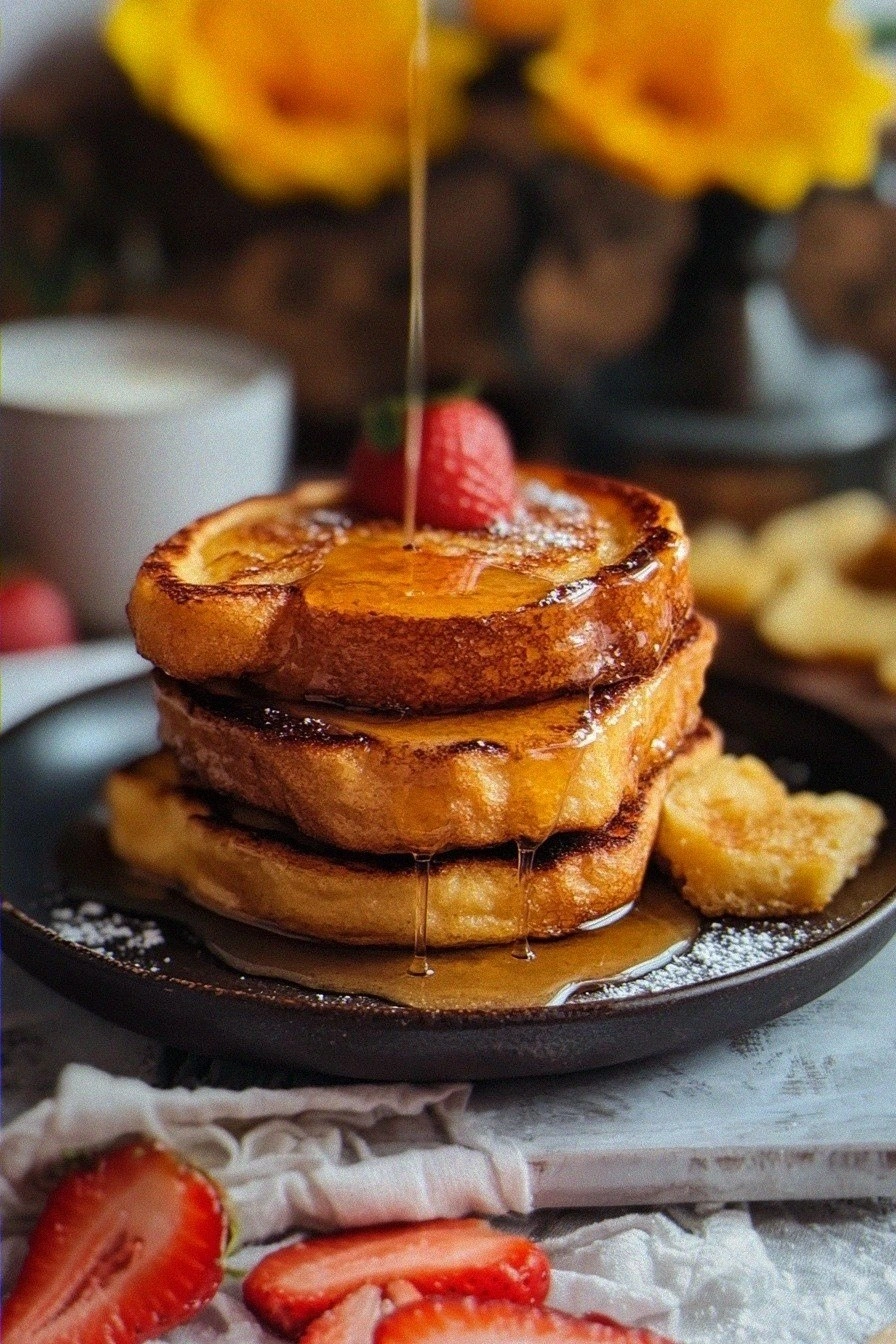
The Ultimate French Toast: A Cozy Breakfast Classic
 Save
Save
It was a crisp Saturday morning in early October when I first discovered the magic of French toast that could turn a sleepy kitchen into a bustling brunch haven. I remember the faint scent of cinnamon drifting from the stove as my grandmother lifted the lid on the pan, revealing golden slices that seemed to glow like sunrise on a plate. The moment the first bite melted on my tongue, a buttery, custardy richness unfolded, and I knew I had stumbled upon a family favorite that deserved its own spotlight. Have you ever wondered why a simple combination of eggs, milk, and bread can feel like a warm hug on a chilly day? That feeling is exactly what we’re chasing in this ultimate version, and trust me, you’ll want to recreate it again and again.
Fast forward a few years, and I’ve experimented with countless variations—some too sweet, some too soggy, and a few that simply missed that perfect balance. The secret, I’ve learned, lies not just in the ingredients but in the technique: the right soak, the perfect pan temperature, and a dash of love that you can taste in every bite. Imagine the crackle as the edges turn crisp, the steam rising with a hint of vanilla, and the subtle caramelization that whispers “comfort” with each chew. But wait—there’s a hidden trick in step four that will elevate your toast from good to unforgettable, and I’ll reveal it soon.
What makes this recipe truly special is its versatility. Whether you’re feeding a crowd of hungry teenagers, serving a romantic brunch for two, or simply treating yourself to a lazy Sunday treat, this French toast adapts with ease. The use of thick‑cut brioche or challah gives it a pillowy interior while the exterior stays satisfyingly crisp, creating a texture contrast that’s hard to beat. The best part? It’s built on pantry staples you probably already have, yet the result feels like it belongs in a five‑star café. Ready to see how it all comes together? Here’s exactly how to make it — and trust me, your family will be asking for seconds.
Before we dive into the step‑by‑step, let’s take a quick look at why this recipe works so well and what makes each component shine. I’ll walk you through the ingredient choices, the science behind the soak, and a few pro tips that even seasoned cooks sometimes overlook. By the end of this article, you’ll not only have a flawless French toast recipe but also a toolbox of tricks to customize it for any occasion. So grab a cup of coffee, roll up your sleeves, and let’s embark on this delicious journey together.
🌟 Why This Recipe Works
- Flavor Depth: The combination of vanilla, cinnamon, and a pinch of sugar creates a sweet‑spicy backbone that’s both comforting and sophisticated. Each bite delivers layers of aroma that linger long after the plate is empty.
- Texture Harmony: Thick‑cut brioche or challah provides a sturdy canvas that soaks up the custard without falling apart, while the buttered pan gives a caramelized crust that’s satisfyingly crunchy.
- Ease of Execution: The recipe uses only seven core ingredients, all of which are common in most kitchens, making it approachable for beginners yet rewarding for seasoned cooks.
- Time Efficiency: With a quick 15‑minute prep and 30‑minute cook, you can have a restaurant‑quality breakfast on the table before the morning rush hits.
- Versatility: The base is neutral enough to pair with fresh fruit, maple syrup, or even a savory twist like smoked salmon, allowing endless creativity.
- Nutrition Balance: Using whole‑egg protein and a modest amount of milk provides a good source of protein and calcium without overwhelming the dish with heaviness.
- Ingredient Quality: Choosing high‑quality bread and fresh eggs ensures the custard penetrates evenly, resulting in a silky interior that feels indulgent.
- Crowd‑Pleaser Factor: The familiar flavors and comforting texture make it a safe bet for picky eaters, kids, and adults alike, turning any meal into a celebration.
🥗 Ingredients Breakdown
The Foundation: Bread & Dairy
The heart of any French toast is the bread, and choosing the right type can make or break the dish. Thick slices of brioche or challah are ideal because their buttery crumb absorbs the custard while still holding its shape, giving you that coveted fluffy interior. If you can’t find brioche, a sturdy country loaf works, but be sure it’s at least one inch thick to prevent sogginess. Milk adds moisture and a subtle creaminess; whole milk is preferred for its fat content, which enriches the custard and helps with browning. For a lighter version, you can substitute half‑and‑half or even almond milk, though the flavor profile will shift slightly.
Aromatics & Spices: Sweetness & Warmth
A tablespoon of sugar sweetens the custard just enough to coax out the natural flavors of the bread without turning it into a dessert. Vanilla extract adds a fragrant depth that’s instantly recognizable and comforting, while the half‑teaspoon of ground cinnamon brings a warm, earthy note that pairs beautifully with the buttery richness. A pinch of salt might seem trivial, but it amplifies the sweetness and balances the overall flavor, ensuring each bite is perfectly seasoned. If you love a hint of spice, a dash of nutmeg or a pinch of cardamom can elevate the aromatic profile.
The Secret Weapons: Eggs & Fat
Eggs are the binding agent that turns milk and sugar into a custard capable of soaking into the bread’s pores. Two large eggs provide enough protein to create a silky, cohesive mixture while keeping the custard light enough to soak without becoming rubbery. The fat from butter or neutral oil used for cooking is essential for achieving that golden‑brown crust; butter adds a nutty flavor, while a neutral oil like grapeseed can raise the smoke point for an even sear. For an extra flavor dimension, try finishing the toast with a pat of herb‑infused butter just before serving.
Finishing Touches: Toppings & Accompaniments
While the recipe shines on its own, a drizzle of pure maple syrup, a dusting of powdered sugar, or a handful of fresh berries can add brightness and contrast. For a savory spin, consider topping with avocado slices, smoked salmon, and a squeeze of lemon. The key is to keep the toppings complementary, allowing the toast’s buttery custard base to remain the star. Remember, the best toppings are those that add texture and flavor without overwhelming the delicate balance you’ve created.
With your ingredients prepped and ready, let's get cooking. Here's where the fun really begins...
🍳 Step-by-Step Instructions
🔐 Expert Tips for Perfect Results
The Taste Test Trick
Before you commit to cooking the entire batch, dip a tiny corner of the bread into the custard and fry it for a few seconds. This mini‑test reveals whether the seasoning needs a touch more salt or sugar. I once served a batch that was a shade too bland because I skipped this step, and the feedback was immediate—“It needs something!” Trust me on this one: a quick taste test saves you from a whole‑plate disappointment.
Why Resting Time Matters More Than You Think
After whisking the custard, let it sit for at least two minutes. This short rest allows the flour from the bread to hydrate fully, creating a smoother, more cohesive coating. The result is a toast that holds its shape and doesn’t fall apart when you flip it. I once rushed this step and ended up with a soggy mess—lesson learned!
The Seasoning Secret Pros Won’t Tell You
A pinch of kosher salt in the custard does more than just season—it amplifies the sweet notes of the sugar and vanilla, making the flavor pop. Professional chefs often add a dash of smoked paprika for a whisper of smokiness that pairs beautifully with the sweet base. I experimented with this on a rainy morning, and the result was a depth I hadn’t expected from a simple breakfast.
Cooking Temperature Mastery
Medium‑low heat is your best friend here. Too high, and the outside burns before the inside sets; too low, and you’ll end up with a pale, soggy slice. A good rule of thumb is to watch the butter melt and foam—once it stops foaming, the pan is at the perfect temperature. If you’re unsure, sprinkle a drop of water; it should sizzle gently and evaporate within a second.
Finishing Flourish: Butter‑Infused Syrup
Melt a tablespoon of butter, add a splash of maple syrup, and stir in a pinch of sea salt. Drizzle this over the finished toast for a glossy, buttery glaze that adds richness without overwhelming the natural flavors. I discovered this trick when I was trying to impress a friend who claimed “no one can top maple syrup.” The result? She declared it the best thing she’d ever tasted on French toast.
🌈 Delicious Variations to Try
One of my favorite things about this recipe is how versatile it is. Here are some twists I've tried and loved:
Berry‑Burst Bliss
Fold a handful of fresh blueberries and raspberries into the custard before soaking the bread. The berries burst during cooking, releasing a sweet‑tart juice that mingles with the cinnamon, creating a delightful contrast. The result is a vibrant, colorful plate that feels like a celebration of summer, even in winter.
Nutty Crunch Delight
Add a tablespoon of finely chopped toasted almonds or pecans to the batter. The nuts provide a satisfying crunch and a buttery, earthy flavor that complements the sweet custard. Sprinkle extra nuts on top just before serving for added texture and visual appeal.
Savory Herb Infusion
Swap the vanilla for a teaspoon of fresh chopped rosemary and a pinch of black pepper. Top with a poached egg and a drizzle of hot sauce for a brunch that bridges sweet and savory. This variation is perfect for those who love a little kick in the morning.
Chocolate Dream
Stir a tablespoon of cocoa powder and a dash of espresso into the custard for a mocha‑inspired twist. Finish with a dusting of powdered sugar and a drizzle of chocolate ganache. The deep, rich flavor feels like a decadent dessert that’s still breakfast‑appropriate.
Tropical Coconut Escape
Replace half of the milk with coconut milk and add a teaspoon of shredded coconut to the batter. Top with toasted coconut flakes and a slice of fresh pineapple for a sunny, island‑style breakfast. The coconut adds a subtle sweetness and a fragrant aroma that transports you to a beachside café.
Apple Cinnamon Caramel
Sauté thinly sliced apples in butter, brown sugar, and a pinch of cinnamon until caramelized. Layer the cooked apples on top of the French toast and drizzle with a warm caramel sauce. This version feels like a cozy autumn treat, perfect for chilly mornings.
📦 Storage & Reheating Tips
Refrigerator Storage
Allow the French toast to cool completely, then store it in an airtight container in the fridge for up to three days. Place a piece of parchment paper between slices to prevent them from sticking together. When you’re ready to eat, a quick reheat in a toaster oven will restore the crisp exterior while keeping the interior soft.
Freezing Instructions
For longer storage, wrap each slice tightly in plastic wrap, then place them in a freezer‑safe bag. They’ll keep for up to two months. To reheat, bake frozen slices at 350°F for about 10‑12 minutes, or until heated through and the edges regain their golden crunch. The trick to reheating without drying it out? A splash of milk brushed on the surface before baking adds moisture back into the crumb.
Reheating Methods
The stovetop works well for a quick revive: melt a dab of butter in a skillet over medium heat and warm each slice for 2‑3 minutes per side. For an even gentler approach, use a microwave on 50% power for 45 seconds, then finish in a hot pan for a minute to bring back the crispness. Remember, the goal is to warm without overcooking, so keep a close eye on the texture.
❓ Frequently Asked Questions
Can I use regular sandwich bread instead of brioche or challah?
What’s the best way to keep the French toast from sticking to the pan?
Can I make this recipe dairy‑free?
How do I prevent the custard from curdling?
Can I add fruit directly into the custard?
What’s the ideal pan size for cooking four slices?
Should I let the cooked French toast rest before serving?
Can I add a savory element like cheese?
Similar Recipes
 Appetizers
Crispy Parmesan Baked Mushroom Fries: The Ultimate Recipe Guide
Delicious Crispy Parmesan Baked Mushroom Fries: The Ultimate Recipe Guide
 Appetizers
Honey Mustard Turkey & Veggie Sliders
Delicious Honey Mustard Turkey & Veggie Sliders
 Appetizers
warm citrus and kale salad with toasted almonds for clean eating
Boost your clean eating with our warm citrus and kale salad recipe, featuring toasted almonds and…
 Appetizers
Loaded BBQ Chicken Baked Fries
Delicious Loaded BBQ Chicken Baked Fries
 Appetizers
Creamy Carrot Ginger Bliss Soup
Delicious Creamy Carrot Ginger Bliss Soup
 Appetizers
Sausage, Gravy, and Biscuit Pie: A Comforting Delight!
Learn how to make delicious Sausage, Gravy, and Biscuit Pie: A Comforting Delight!. Easy recipe with…
 Appetizers
Turkish Dumplings Delight (Manti): A Culinary Journey into Flavor
Delicious Turkish Dumplings Delight (Manti): A Culinary Journey into Flavor
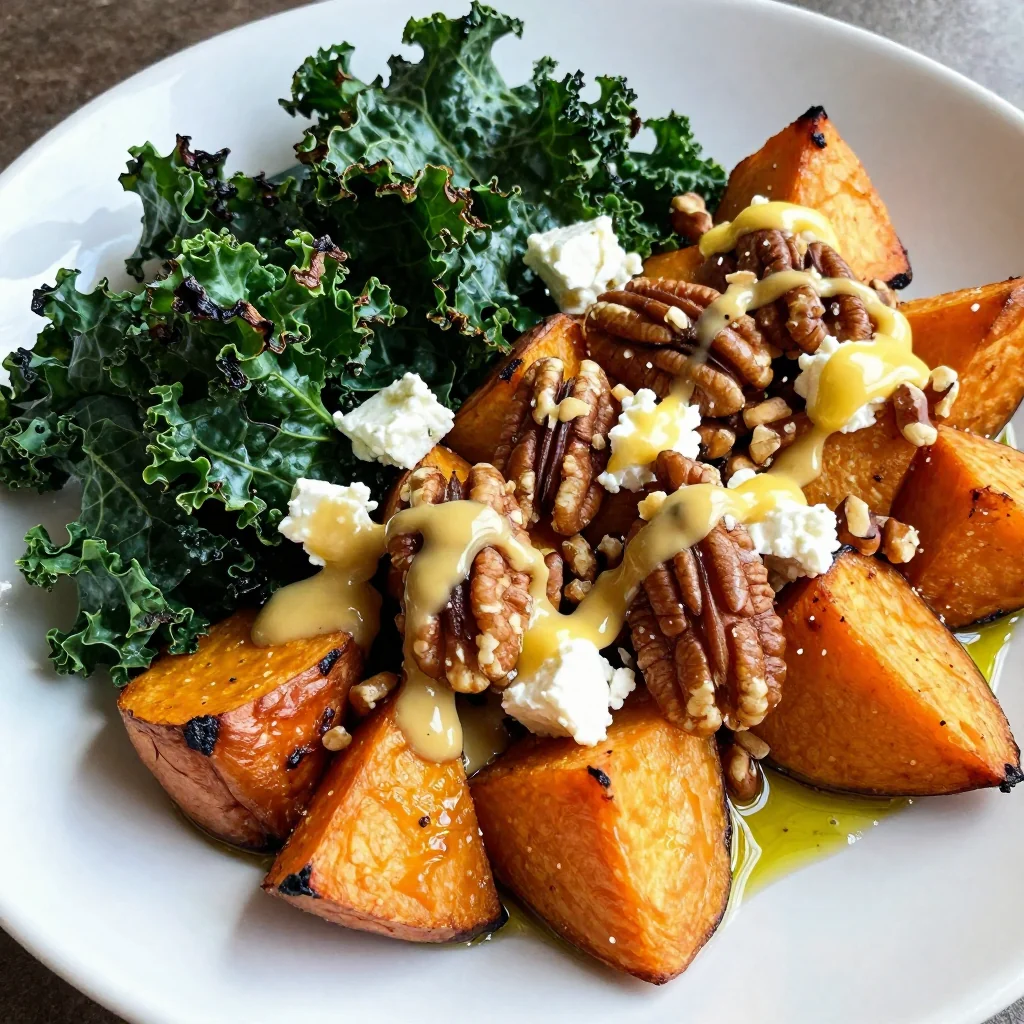 Appetizers
warm garlic roasted sweet potato and kale salad for winter comfort
Learn how to make delicious warm garlic roasted sweet potato and kale salad for winter comfort.…

Victoria
I cook these recipes at home before they ever land here — simple ingredients, clear steps.
Other Reader Favorites
 Dinner
Zesty Lemon Herb Grilled Salmon: A Flavorful and Healthy Delight
Delicious Zesty Lemon Herb Grilled Salmon: A Flavorful and Healthy Delight
 Dinner
Zesty Turkey-Stuffed Zucchini Boats
Delicious Zesty Turkey-Stuffed Zucchini Boats
 Desserts
Choco-Mallow Delight Cookies: A Delicious Treat for Every Occasion
Delicious Choco-Mallow Delight Cookies: A Delicious Treat for Every Occasion
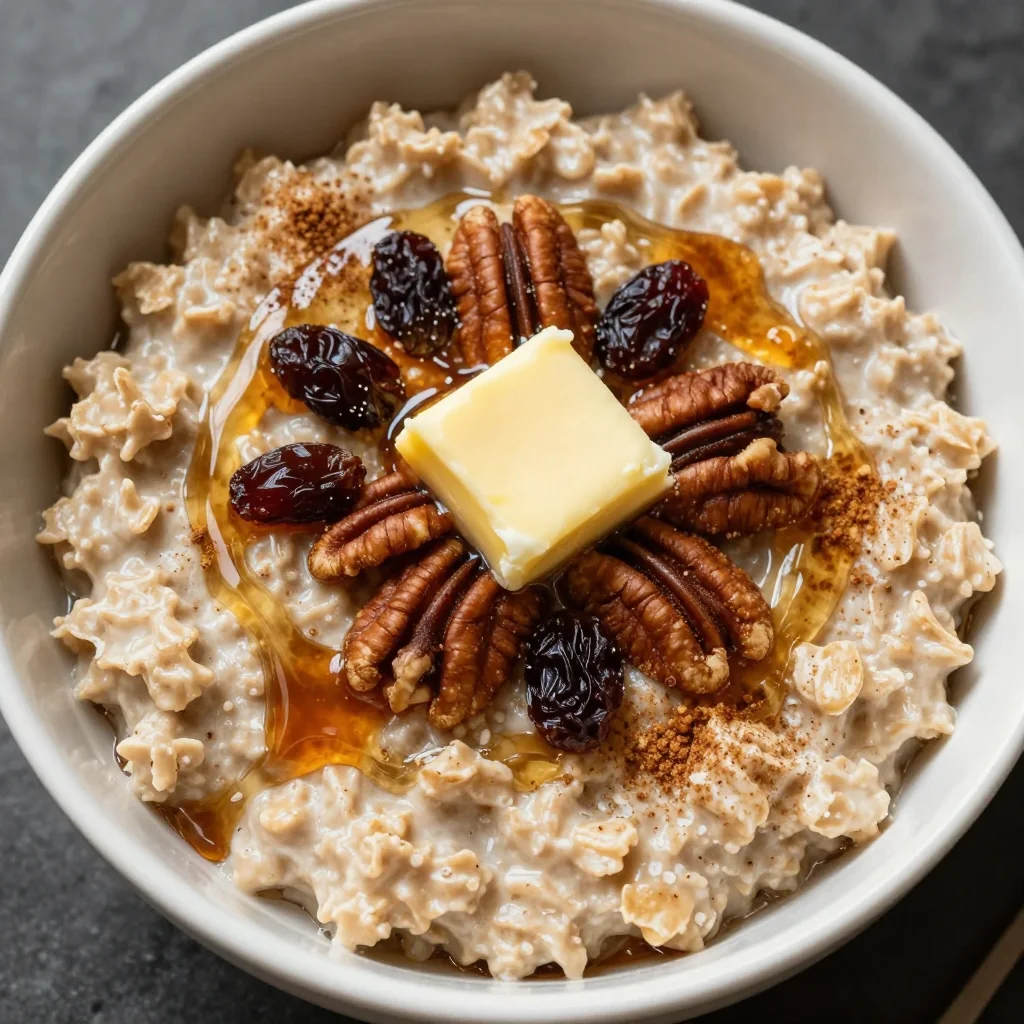 Breakfast
Warm Maple Cinnamon Oatmeal for a Sweet Winter Breakfast
Learn how to make delicious Warm Maple Cinnamon Oatmeal for a Sweet Winter Breakfast. Easy recipe…