Creamy Cheesy Chicken Spaghetti Casserole
 Save
Save
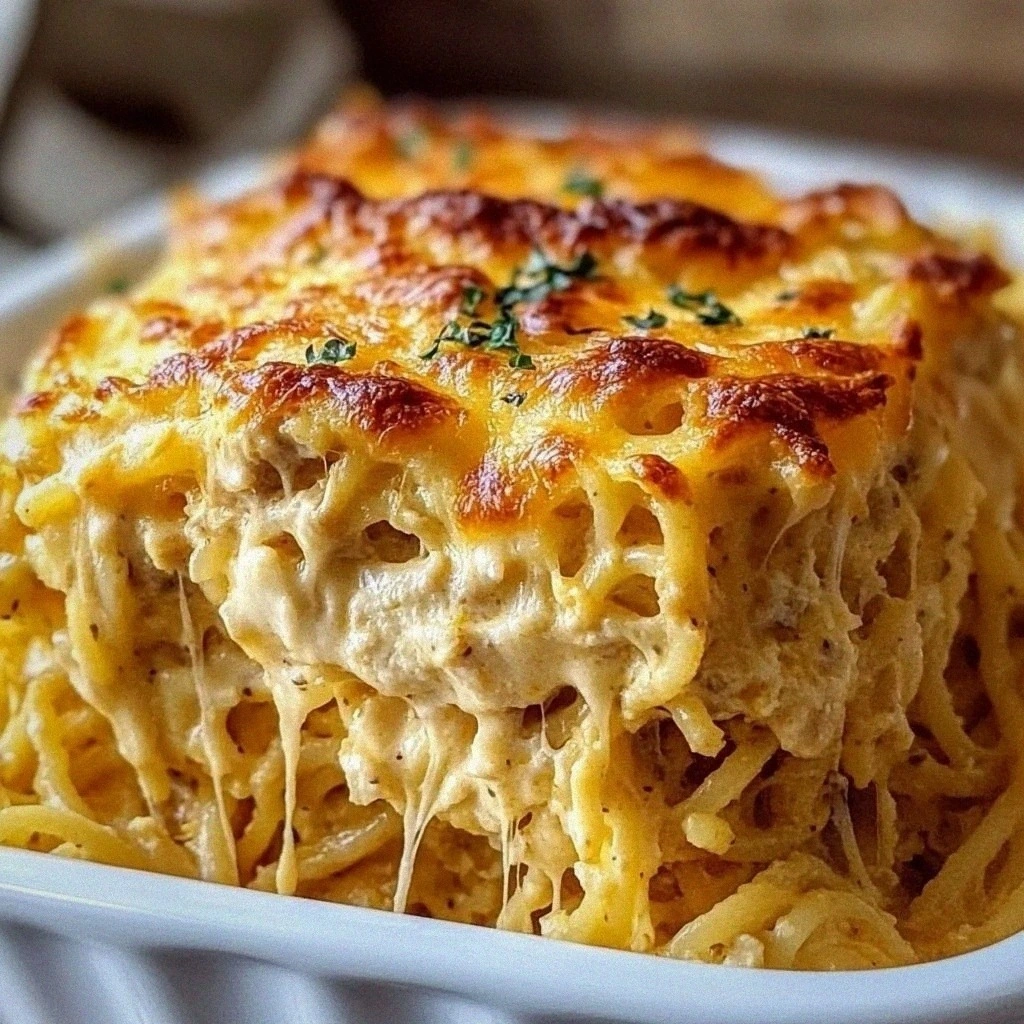
It was a crisp Saturday evening in early autumn, the kind of night when the wind whistles through the maple leaves and the kitchen smells like comfort waiting to happen. I was standing at my stove, the copper pots humming softly, while my teenage son was sprawled on the couch scrolling through his phone, eyes half‑closed. Suddenly, the scent of melted cheddar and garlic drifted from the oven, and I realized I had just created a moment that would become a family tradition: the first time we made Creamy Cheesy Chicken Spaghetti Casserole together. The moment you lift the lid, a cloud of fragrant steam hits you, carrying whispers of buttery chicken, tangy sour cream, and a golden crust of breadcrumbs that crackles like fresh snow under a boot.
What makes this dish a true crowd‑pleaser isn’t just the cheesy goodness; it’s the way each ingredient plays a role in a symphony of flavor and texture. The spaghetti provides that familiar, comforting bite, while the shredded chicken adds a protein‑packed heartiness that keeps you satisfied for hours. The duo of cream soups—chicken and mushroom—creates a velvety base that clings to every noodle, and the splash of milk lightens the mixture just enough to keep it from feeling heavy. Then there’s the secret weapon: a sprinkle of paprika that adds a subtle smoky warmth, making the casserole feel like it was slow‑cooked in a rustic Italian tavern.
But wait—there’s a hidden trick that transforms this ordinary casserole into an unforgettable feast. I’m talking about the moment when the breadcrumbs hit the top and turn a deep, buttery amber, releasing a nutty aroma that makes everyone’s stomach growl in anticipation. I’ll reveal that exact technique in step four of the instructions, and trust me, you’ll want to bookmark that part. Have you ever wondered why restaurant versions of baked pasta taste so different? The answer often lies in that final golden crust, and we’re about to master it together.
Now, imagine serving a steaming bowl of this casserole on a chilly night, the cheese stretching like a warm hug, the chicken tender enough to melt in your mouth, and the breadcrumbs providing that satisfying crunch. Your family will be asking for seconds, and you’ll feel a surge of pride as you watch them devour every bite. Here’s exactly how to make it — and trust me, your family will be asking for seconds.
🌟 Why This Recipe Works
- Flavor Depth: The combination of cream of chicken and cream of mushroom soups creates a layered umami base that feels richer than any single soup could achieve. Each spoonful delivers a balanced savory note that deepens as the casserole bakes.
- Texture Harmony: Soft, al dente spaghetti meets tender shredded chicken, while the sour cream adds a silky smoothness that contrasts beautifully with the crunchy breadcrumb topping.
- Ease of Preparation: Most of the work involves mixing pre‑cooked ingredients, so even a busy weekday can become an opportunity for a home‑cooked masterpiece without hours of chopping.
- Time Efficiency: With just 15 minutes of prep and 30 minutes of bake time, you get a comforting dinner on the table faster than ordering take‑out, and you’ll feel a lot better about it.
- Versatility: Swap the chicken for turkey, add a handful of peas, or replace the cheddar with mozzarella for a different twist—this recipe adapts to whatever you have on hand.
- Nutrition Boost: The dish packs protein from chicken and calcium from cheese, while the modest amount of milk and sour cream keep the calorie count reasonable for a hearty meal.
- Ingredient Quality: Using high‑quality shredded chicken and real cheddar ensures every bite bursts with authentic flavor, rather than relying on processed shortcuts.
- Crowd‑Pleasing Factor: Kids love the cheesy pull, adults appreciate the comforting depth, and even picky eaters can’t resist the golden crust that makes every bite feel special.
🥗 Ingredients Breakdown
The Foundation
The first pillar of our casserole is the cooked spaghetti. This isn’t just any pasta; it’s the canvas that soaks up the creamy sauce. I always recommend cooking the spaghetti al dente—about one minute less than the package suggests—so it retains a slight bite after the bake. If you overcook it, the noodles will turn mushy once they absorb the sauce, and nobody wants that. When selecting spaghetti, look for a sturdy brand that holds its shape well, and consider giving it a quick rinse under cold water after draining to stop the cooking process and keep the texture firm.
Next, the cooked shredded chicken brings protein and heartiness. I love using rotisserie chicken because it’s already seasoned and juicy, but a quick poach of breast meat works just as well. When shredding, use two forks and pull the meat apart gently; this creates a fluffy texture that mixes evenly with the sauce. If you’re aiming for a lower‑fat version, you can substitute with turkey or even a plant‑based shredded chicken alternative, but the classic poultry flavor is what makes this casserole sing.
Aromatics & Spices
The garlic powder and onion powder are the unsung heroes that add depth without the need for fresh aromatics, which can burn during the bake. A teaspoon of each brings a warm, aromatic backdrop that melds perfectly with the soups. I always sprinkle them in early, letting the powders dissolve into the sauce so you don’t end up with any gritty pockets.
Don’t overlook the paprika. This half‑teaspoon adds a subtle smoky undertone that balances the richness of the cheese and sour cream. If you love a little heat, try smoked paprika or a dash of cayenne for a gentle kick. Salt and pepper, of course, are essential—season to taste after combining all the wet ingredients, because the soups already contain some salt.
The Secret Weapons
The duo of cream of chicken soup and cream of mushroom soup is where the magic truly begins. These canned soups are convenient, but they also provide a luxurious, velvety base that would otherwise require a roux and hours of simmering. The chicken soup adds a savory backbone, while the mushroom soup introduces earthy notes that deepen the overall flavor profile. If you prefer a fresher approach, you can blend a cup of cooked chicken broth with a tablespoon of flour and a splash of milk, but the canned version saves time without sacrificing taste.
The sour cream contributes tanginess that cuts through the richness, preventing the dish from feeling overly heavy. It also gives the sauce that luscious, glossy sheen you see when the casserole is baked to perfection. I recommend using full‑fat sour cream for the best texture; low‑fat versions can become watery during baking.
Finishing Touches
Shredded cheddar cheese is the star of the show, providing that gooey, melty pull that kids adore. I opt for sharp cheddar because its bite balances the creaminess of the soups. When mixing, reserve a third of the cheese for the topping so you get a cheesy crust underneath the breadcrumb layer.
Milk thins the sauce just enough to coat every noodle without making it soupy. A cup is perfect; add a splash more if you notice the mixture looking too thick. Finally, the breadcrumbs create the golden crust that signals the casserole is ready to be devoured. I love using panko for extra crunch, but regular breadcrumbs work just as well. Toss them with a little melted butter before sprinkling for that buttery crunch.
With your ingredients prepped and ready, let's get cooking. Here's where the fun really begins...
🍳 Step-by-Step Instructions
🔐 Expert Tips for Perfect Results
The Taste Test Trick
Before you bake, always taste the sauce. A quick spoonful will reveal whether you need a pinch more salt, a dash of pepper, or perhaps a splash of extra milk for silkiness. This tiny step prevents any surprises once the casserole is in the oven, and it’s a habit that even seasoned chefs swear by. I once served a batch that was a bit bland because I skipped this step, and the feedback was a gentle reminder to always trust my palate.
Why Resting Time Matters More Than You Think
Allowing the casserole to sit after baking isn’t just about convenience; it’s a science. The residual heat continues to cook the interior gently, while the sauce thickens and the flavors meld. Resting also makes the dish easier to cut, so you get neat, picture‑perfect squares instead of a mushy mess. Trust me on this one: the extra five minutes can be the difference between a soggy spoonful and a perfectly balanced bite.
The Seasoning Secret Pros Won’t Tell You
A pinch of nutmeg hidden in the sauce adds a subtle warmth that amplifies the cheese without being noticeable. It’s a classic trick used in béchamel sauces, and it works wonders here, especially if you’re serving the casserole to guests who love a hint of complexity. I discovered this tip while watching a French cooking show, and it’s become a staple in my own kitchen ever since.
Breadcrumb Brilliance
Toast your breadcrumbs in a skillet with a tablespoon of melted butter and a pinch of garlic powder until they’re fragrant and lightly browned. This extra step adds a nutty depth that plain breadcrumbs can’t match. The result is a topping that crackles delightfully with each forkful, creating a textural contrast that keeps the palate excited from the first bite to the last.
Cheese Layering Magic
Instead of mixing all the cheddar into the sauce, reserve one‑third for the top. This creates a double‑layered cheese experience: a melt‑in‑your‑mouth interior and a bubbly, golden crust on the surface. The visual appeal of that cheese‑pull is as satisfying as the flavor itself, and it’s a trick I learned from my grandmother, who always said, “A casserole without a cheese crown is just a bowl of pasta.”
The Best Baking Dish
A glass baking dish allows you to see the bubbling edges clearly, while a metal pan conducts heat more quickly, giving you a crispier crust. If you love an ultra‑crisp top, go for a dark metal pan; if you prefer a gentler bake, a glass dish is ideal. I’ve experimented with both, and each brings a slightly different character to the final dish—choose the one that matches your texture preference.
🌈 Delicious Variations to Try
One of my favorite things about this recipe is how versatile it is. Here are some twists I’ve tried and loved:
Mediterranean Sunrise
Swap the cheddar for feta cheese, add chopped sun‑dried tomatoes, and sprinkle a handful of Kalamata olives on top before baking. The tangy feta and briny olives give the casserole a bright, Mediterranean flair, while the sun‑dried tomatoes add a sweet chewiness that balances the richness.
Spicy Southwest Kick
Incorporate a cup of black beans, a half‑cup of corn, and a teaspoon of chipotle powder into the sauce. Top with shredded Monterey Jack and a drizzle of lime juice after baking. This version delivers a smoky heat and a burst of color that makes the dish feel festive and bold.
Creamy Veggie Delight
Replace the chicken with sautéed broccoli florets and diced carrots, and stir in a cup of frozen peas. Use mozzarella instead of cheddar for a milder melt. This vegetarian-friendly take keeps the comforting creaminess while adding a rainbow of nutrients.
Four‑Cheese Indulgence
Mix in equal parts of mozzarella, gouda, and parmesan alongside the cheddar. The blend creates layers of flavor—sharp, buttery, and nutty—all melting together into a luxurious blanket over the pasta. A sprinkle of extra parmesan on the breadcrumb topping adds a final salty crunch.
Herb‑Infused Elegance
Add a tablespoon of fresh chopped thyme and rosemary to the sauce, and finish with a drizzle of herb‑infused olive oil after baking. The fresh herbs lift the dish, giving it an aromatic garden feel that pairs beautifully with a crisp white wine.
Breakfast Casserole Remix
Fold in cooked, diced breakfast sausage and a handful of shredded hash browns, then top with a mixture of cheddar and pepper jack. Serve with a side of fresh fruit for a hearty brunch that satisfies both sweet and savory cravings.
📦 Storage & Reheating Tips
Refrigerator Storage
Allow the casserole to cool completely before covering it tightly with foil or a reusable lid. Store in the refrigerator for up to four days. When reheating, add a splash of milk or broth to revive the creamy texture, and cover with foil to prevent the top from drying out.
Freezing Instructions
Portion the casserole into freezer‑safe containers or wrap the entire dish tightly in plastic wrap followed by aluminum foil. It freezes well for up to three months. To reheat, thaw overnight in the fridge, then bake at 350°F (175°C) for 20‑25 minutes, uncovered, until hot and bubbly. The breadcrumb topping may lose a bit of crispness, so a quick broil for 2 minutes at the end restores that golden crunch.
Reheating Methods
The microwave is convenient for single servings: place a slice on a plate, cover with a damp paper towel, and heat on high for 1‑2 minutes, stirring halfway. For the best texture, reheat in the oven: preheat to 325°F (165°C), cover with foil, and bake for 15‑20 minutes, removing the foil for the last five minutes to re‑crisp the breadcrumbs. The trick to reheating without drying it out? A splash of milk or a drizzle of cream right before you pop it back in the oven.
❓ Frequently Asked Questions
Can I use whole‑wheat spaghetti instead of regular?
What if I don’t have cream of mushroom soup?
Can I add vegetables without making the casserole watery?
Is it possible to make this casserole gluten‑free?
How can I make the topping extra crunchy?
Can I prepare this casserole ahead of time?
What can I serve alongside this dish?
Can I double this recipe for a larger crowd?






Other Reader Favorites
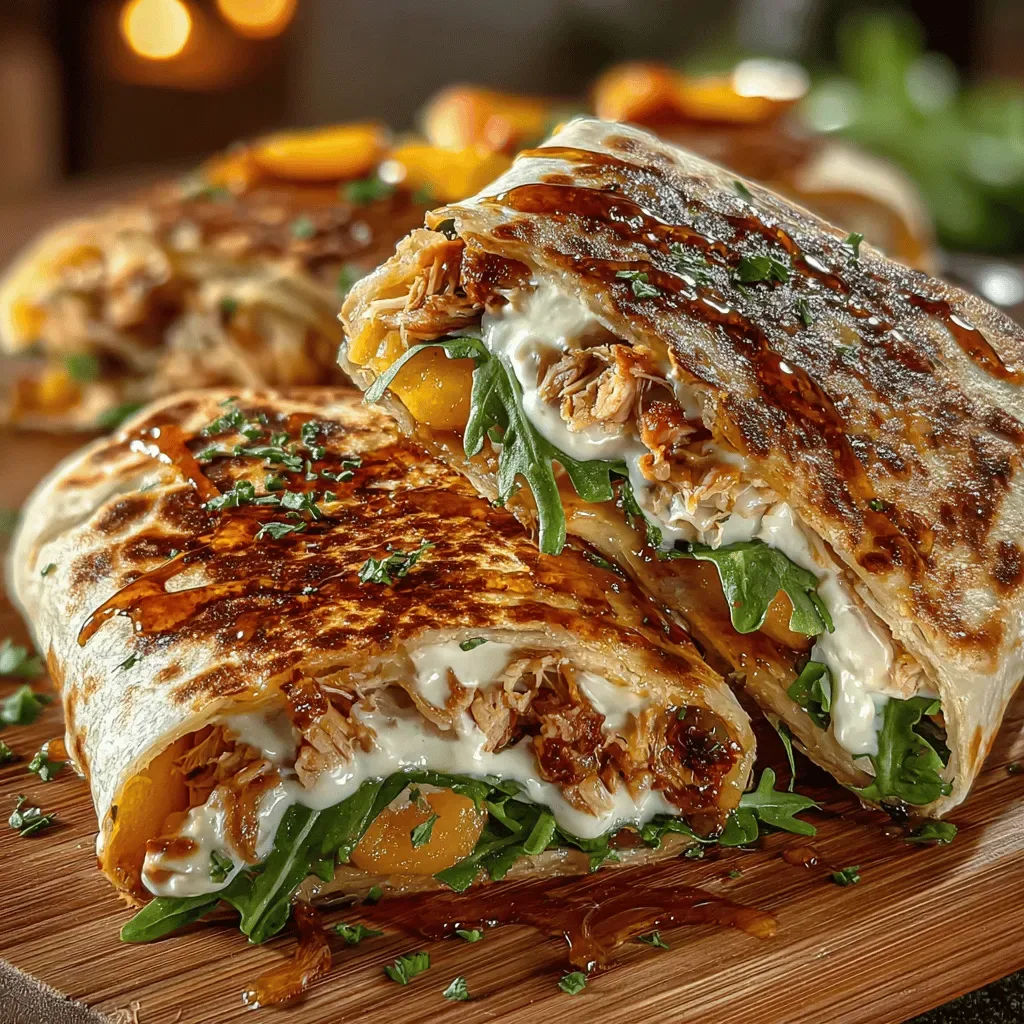 Appetizers
Peachy Keen Sweet and Spicy Wraps: Your Guide to Preparation and Serving
Delicious Peachy Keen Sweet and Spicy Wraps: Your Guide to Preparation and Serving
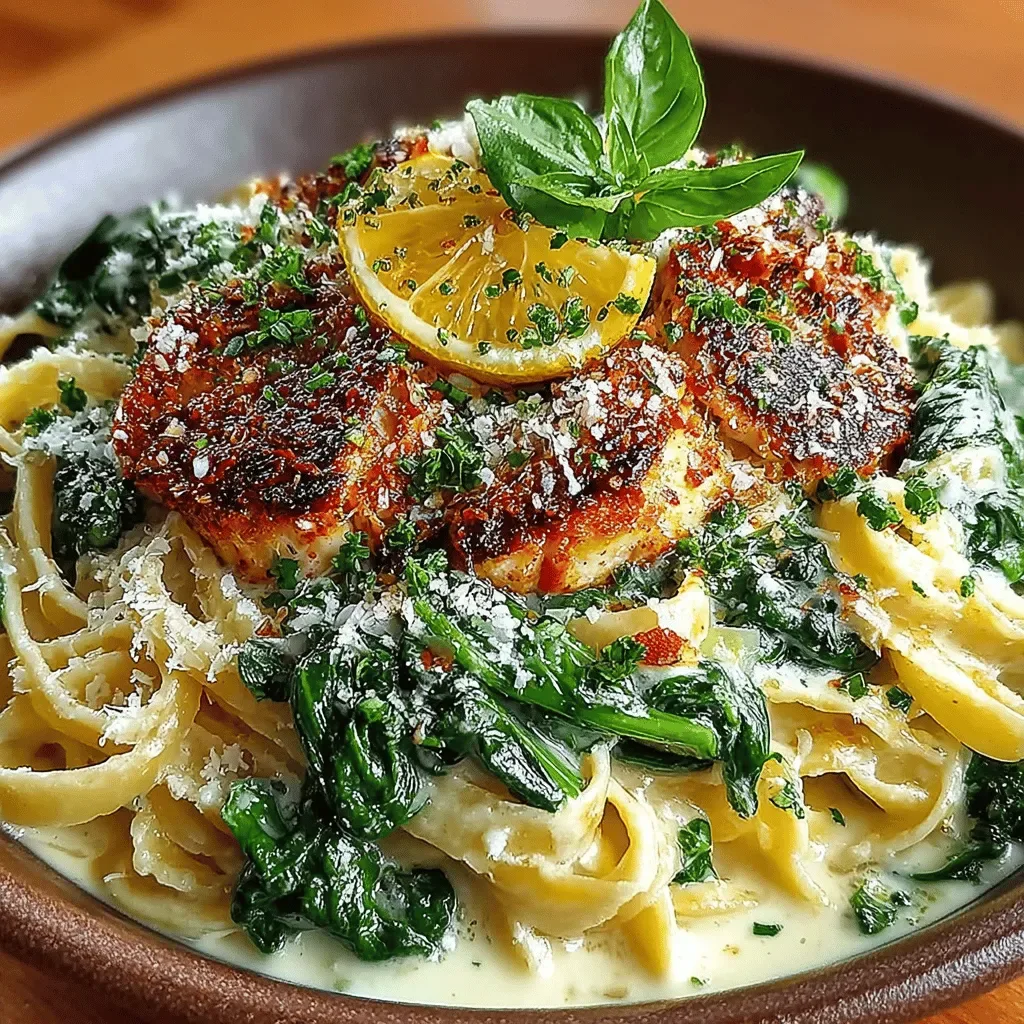 Dinner
Creamy Lemon Spinach Pasta Delight: A Culinary Journey
Delicious Creamy Lemon Spinach Pasta Delight: A Culinary Journey
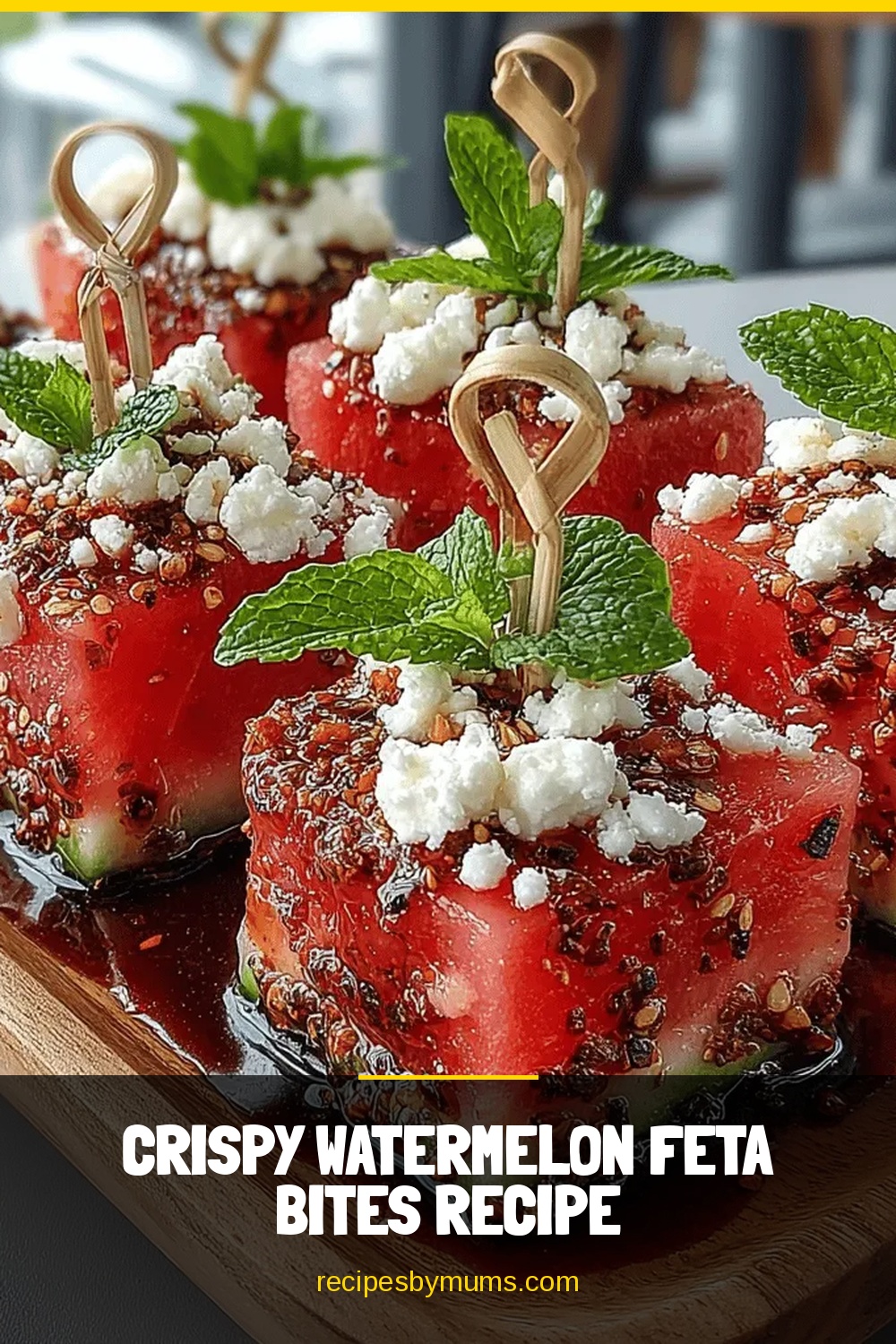 Appetizers
Crispy Watermelon Feta Bites Recipe
Delicious Crispy Watermelon Feta Bites Recipe
 Appetizers
Crispy Baked Zucchini Chips for Healthy Snack
Learn how to make delicious Crispy Baked Zucchini Chips for Healthy Snack. Easy recipe with step-by-step…