Tropical Mango Panna Cotta: An Incredible 5-Star Recipe
 Save
Save
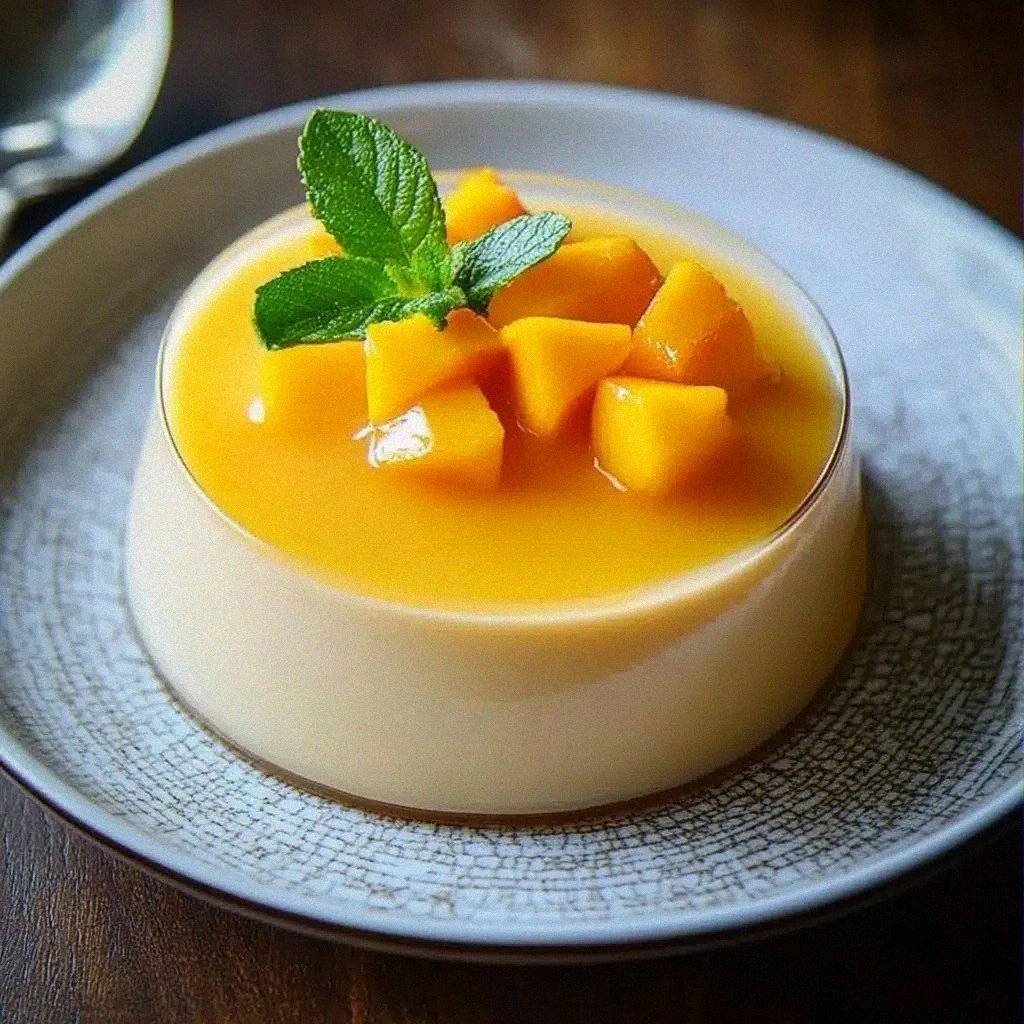
The first time I tasted mango panna cotta was on a sweltering July afternoon, when the garden outside my kitchen was buzzing with the scent of ripe tropical fruit. I remember the moment the lid lifted from the chilled ramekin, releasing a cloud of sweet, fragrant steam that curled around my nose like a warm hug from a distant island. The silky texture melted on my tongue, and the bright orange hue of the mango puree reminded me of sunrise over the Pacific, a vivid reminder that dessert can be both refreshing and luxurious. That memory sparked a fire in my heart, and I’ve been perfecting this recipe ever since, tweaking it until every spoonful feels like a mini‑vacation.
What makes this Tropical Mango Panna Cotta truly stand out is the balance between the creamy, buttery base and the natural, sun‑kissed mango flavor that sings with every bite. The secret lies in the careful layering of flavors, the precise temperature control, and a handful of tiny tricks that turn an ordinary pudding into a five‑star experience. Imagine serving a dessert that looks like a piece of tropical art, glistening with a glossy glaze, and tasting like the first bite of a perfectly ripe mango on a beachside patio. You’ll notice the subtle hint of vanilla that rounds out the sweetness, and a whisper of lime zest that adds just the right amount of zing to keep the palate excited.
But wait—there’s a hidden twist that most home cooks miss, and it’s the key to achieving that cloud‑like melt‑in‑your‑mouth texture without any grainy surprises. I’ll reveal that secret in step four, where a tiny amount of gelatin meets a warm milk‑cream mixture, creating a silky network that holds everything together in perfect harmony. Trust me, once you master this technique, you’ll wonder how you ever managed without it. And the best part? The ingredients are simple, the process is approachable, and the result feels like it came straight from a Michelin‑starred restaurant.
Here’s exactly how to make it — and trust me, your family will be asking for seconds, thirds, and maybe even a fourth round before the mangoes are even gone. Ready to dive in? Grab your favorite ramekins, a blender, and let’s embark on this tropical culinary adventure together. The journey from pantry staples to a show‑stopping dessert is about to begin, and I promise you’ll be amazed at how easy it can be.
🌟 Why This Recipe Works
- Flavor Depth: The combination of fresh mango puree with a hint of vanilla creates layers of sweetness that evolve on the palate, delivering a taste that’s both bright and comforting.
- Silky Texture: Using gelatin dissolved in warm cream ensures a smooth, custard‑like consistency that feels luxurious without being heavy.
- Ease of Preparation: Most steps involve simple mixing and chilling, making it perfect for both novice cooks and seasoned bakers looking for a quick, elegant dessert.
- Time Efficiency: With only 45 minutes of active work and a short refrigeration period, you can have a stunning dessert ready for any gathering.
- Versatility: This base can be flavored with other tropical fruits, herbs, or even a splash of liqueur, allowing endless creative twists.
- Nutrition Boost: Mangoes provide vitamin C, vitamin A, and fiber, while the modest amount of cream keeps the dessert indulgent yet balanced.
- Crowd‑Pleaser: Its vibrant color and elegant presentation make it a centerpiece that dazzles guests, turning any dinner into a celebration.
🥗 Ingredients Breakdown
The Foundation: Cream & Milk
Heavy cream provides the richness that makes panna cotta feel indulgent, while whole milk adds a subtle dairy note that keeps the texture from becoming overly dense. Using a 1:1 ratio of cream to milk strikes the perfect balance between silkiness and lightness. If you prefer a lighter version, you can swap half of the cream for coconut milk, which also adds a faint tropical aroma that complements the mango beautifully. Choose dairy products that are fresh and unpasteurized if possible; they tend to have a richer mouthfeel that you can taste in every spoonful.
The Sweeteners: Sugar & Mango
Granulated sugar dissolves evenly in the warm cream mixture, ensuring there are no gritty spots in the final panna cotta. The mangoes, the stars of this dish, should be perfectly ripe—soft to the touch, fragrant, and slightly yielding when pressed. Ripe mangoes bring natural sweetness, reducing the need for excessive added sugar, and they contribute a vibrant orange‑gold hue that makes the dessert visually stunning. If mangoes are out of season, frozen mango puree works well, just be sure to thaw it completely before blending.
The Setting Agents: Gelatin & Vanilla
Gelatin is the magic that transforms a liquid mixture into a firm yet yielding custard. Dissolving gelatin in a small amount of warm water first (the "bloom") prevents clumping and ensures an even set. Vanilla extract adds depth, rounding out the mango’s bright notes with a warm, aromatic backdrop. For a dairy‑free version, you can replace gelatin with agar‑agar, but remember to adjust the amount and cooking time, as agar sets more firmly.
Finishing Touches: Lime Zest & Pinch of Salt
A tiny pinch of sea salt amplifies the natural flavors, making the mango taste even sweeter without adding more sugar. Lime zest provides a citrusy spark that lifts the entire dessert, preventing it from feeling cloyingly sweet. When zesting, aim for the bright green outer layer and avoid the bitter white pith. These finishing touches are the secret weapons that turn a good panna cotta into an unforgettable one.
With your ingredients prepped and ready, let's get cooking. Here's where the fun really begins, and I’ll walk you through each step with the care of a seasoned chef and the enthusiasm of a home cook who just discovered a new favorite.
🍳 Step-by-Step Instructions
🔐 Expert Tips for Perfect Results
The Taste Test Trick
Before you pour the mixture into the ramekins, take a tiny spoonful and taste it. This is your chance to adjust the sweetness or add a dash more lime zest. I once served a batch that was a shade too tart, and a quick sprinkle of sugar saved the day. Trust your palate; it’s the best gauge for perfection.
Why Resting Time Matters More Than You Think
Patience is the secret ingredient. Allowing the panna cotta to set for a full three hours gives the gelatin time to form a delicate lattice, resulting in that melt‑in‑your‑mouth feel. I once rushed the chilling step and ended up with a wobble‑y dessert that collapsed when plated. The extra time is worth every second.
The Seasoning Secret Pros Won’t Tell You
A pinch of sea salt does more than just enhance sweetness; it amplifies the mango’s natural flavors and balances the cream’s richness. Professional chefs often add a tiny dash of smoked salt for an unexpected depth, but for a classic version, stick with plain sea salt. The result is a more rounded, sophisticated taste that feels restaurant‑grade.
The Perfect Gelatin Ratio
If you prefer a firmer set, increase the gelatin to 2½ teaspoons; for a softer, more custard‑like texture, reduce it to 1½ teaspoons. I once experimented with a half‑teaspoon reduction for a summer brunch, and the result was a dreamy, spoon‑soft panna cotta that paired beautifully with fresh berries. Adjusting gelatin is the easiest way to customize texture without changing any other ingredients.
Serving Style: Glass vs. Ramekin
Serving in clear glasses showcases the vibrant color and invites guests to admire the glossy surface before the first bite. Ramekins, on the other hand, give a classic, elegant look and make it easy to unmold the panna cotta onto a decorative plate. I love using both: glasses for casual gatherings and ramekins for formal dinner parties.
🌈 Delicious Variations to Try
One of my favorite things about this recipe is how versatile it is. Here are some twists I've tried and loved:
Coconut‑Mango Dream
Swap half of the heavy cream for coconut milk and add a tablespoon of toasted coconut flakes on top. The coconut adds a subtle tropical fragrance, while the flakes provide a delightful crunch that contrasts the silky panna cotta.
Spicy Chili Mango
Blend a small pinch of ground cayenne or a slice of fresh red chili into the mango puree. This gives the dessert a gentle heat that awakens the palate, perfect for adventurous eaters who love a sweet‑spicy combo.
Berry‑Infused Tango
Layer a thin ribbon of raspberry or passion‑fruit coulis between two halves of the mango panna cotta. The tart berries cut through the richness, creating a beautiful visual swirl and a flavor contrast that feels sophisticated.
Lavender‑Lime Elegance
Add a teaspoon of culinary lavender buds to the cream mixture as it warms, then strain before combining with the mango puree. Finish with a drizzle of lime‑honey glaze for an aromatic, floral twist that feels like a garden party in a spoon.
Caramel‑Swirl Delight
Create a quick caramel by melting sugar until amber, then swirl it through the set panna cotta before chilling. The caramel ribbons add a buttery, slightly bitter note that balances the mango’s sweetness beautifully.
📦 Storage & Reheating Tips
Refrigerator Storage
Cover the ramekins tightly with plastic wrap and store them in the refrigerator for up to 3 days. The panna cotta will maintain its texture, though the surface may develop a thin skin; simply brush a little mango puree over the top before serving to refresh its shine.
Freezing Instructions
Panna cotta freezes well for up to 1 month. Freeze in airtight containers, leaving a small space for expansion. When ready to use, transfer to the fridge to thaw overnight; avoid rapid thawing in the microwave as it can cause the gelatin to break down and become watery.
Reheating Methods
If you need to gently warm the dessert (for example, to serve it slightly softer), place the ramekin in a bowl of warm water for 2‑3 minutes. The trick to reheating without drying it out? Add a splash of milk or a drizzle of mango puree, stirring lightly to restore its silky sheen.
❓ Frequently Asked Questions
Can I use fresh gelatin sheets instead of powder?
What if I don’t have ripe mangoes?
Can I make this dessert dairy‑free?
How do I prevent a skin from forming on top?
Can I add a crunchy topping?
Is it okay to use low‑fat milk?
How long can I keep the panna cotta after it’s set?
Can I make a larger batch for a party?
Similar Recipes
 Desserts
Peanut Butter Banana Oat Bars: A Nutritious Snack Option
Delicious Peanut Butter Banana Oat Bars: A Nutritious Snack Option
 Desserts
Easy Valentines Day Cupcakes: 7 Sweet Reasons to Bake
Learn how to make delicious Easy Valentines Day Cupcakes: 7 Sweet Reasons to Bake. Easy recipe…
 Desserts
Zesty Lemon Zucchini Delight
Delicious Zesty Lemon Zucchini Delight
 Desserts
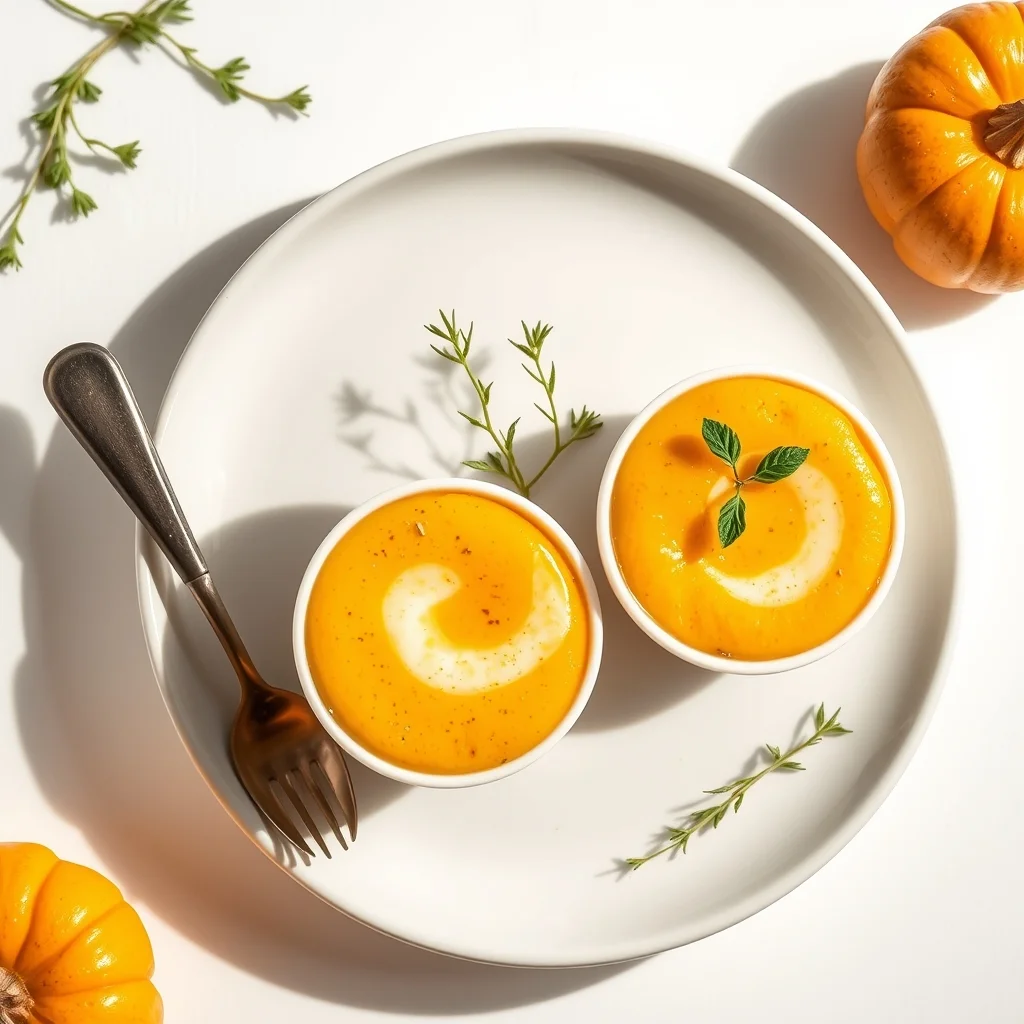
Pumpkin Custard Cups
Learn how to make velvety pumpkin custard cups with a buttery crust, perfect for holiday gatherings…
 Desserts
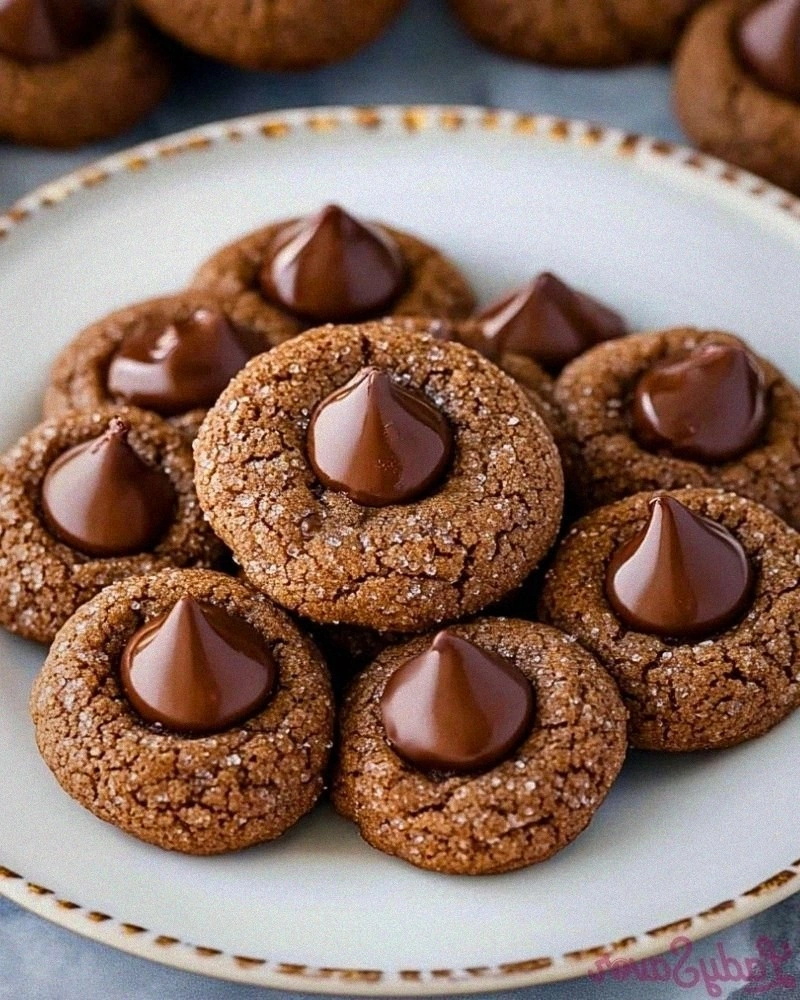
Chocolate Hershey Kiss Cookies
Learn how to make delicious Chocolate Hershey Kiss Cookies. Easy recipe with step-by-step instructions.
 Desserts
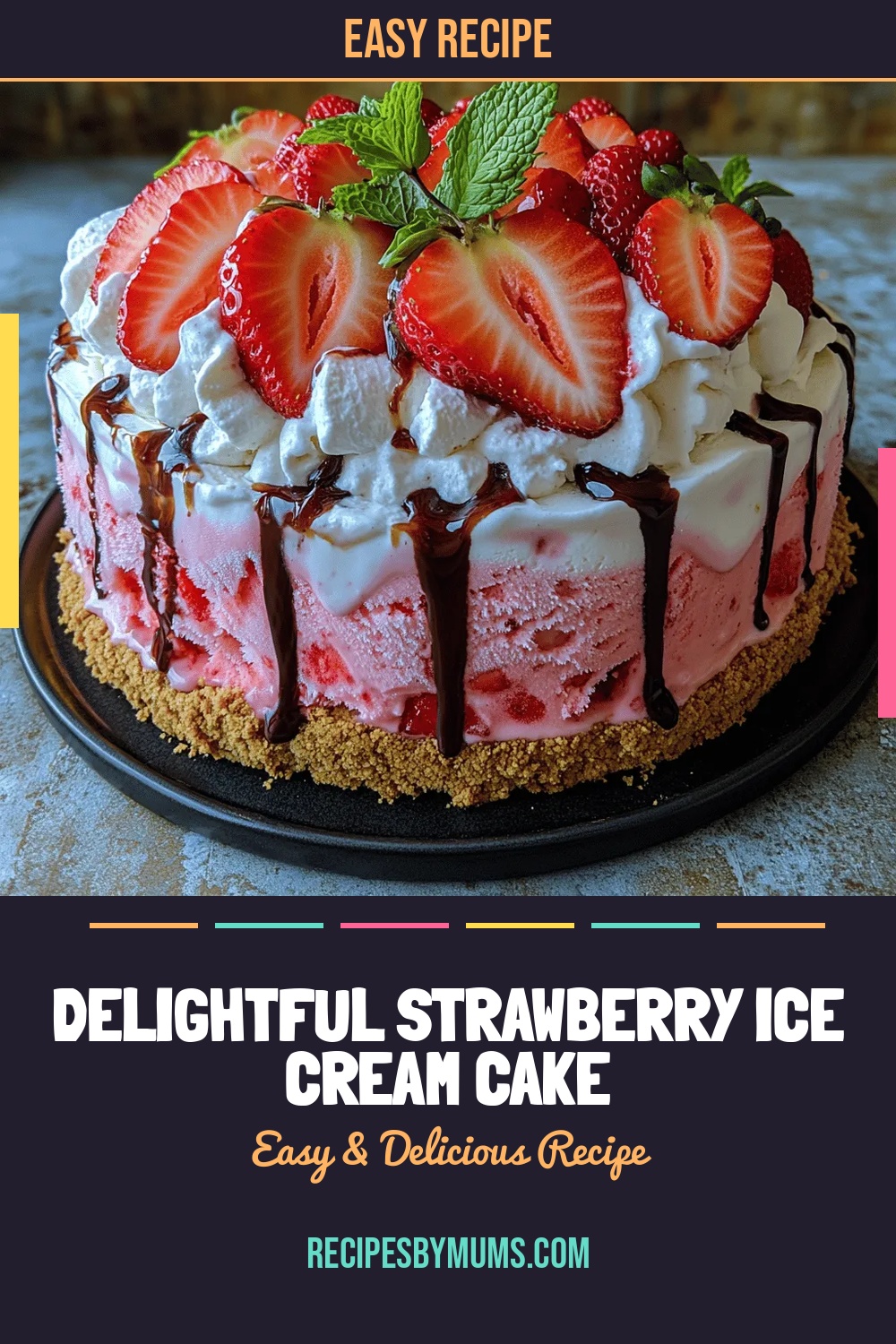
Delightful Strawberry Ice Cream Cake
Delicious Delightful Strawberry Ice Cream Cake
 Desserts
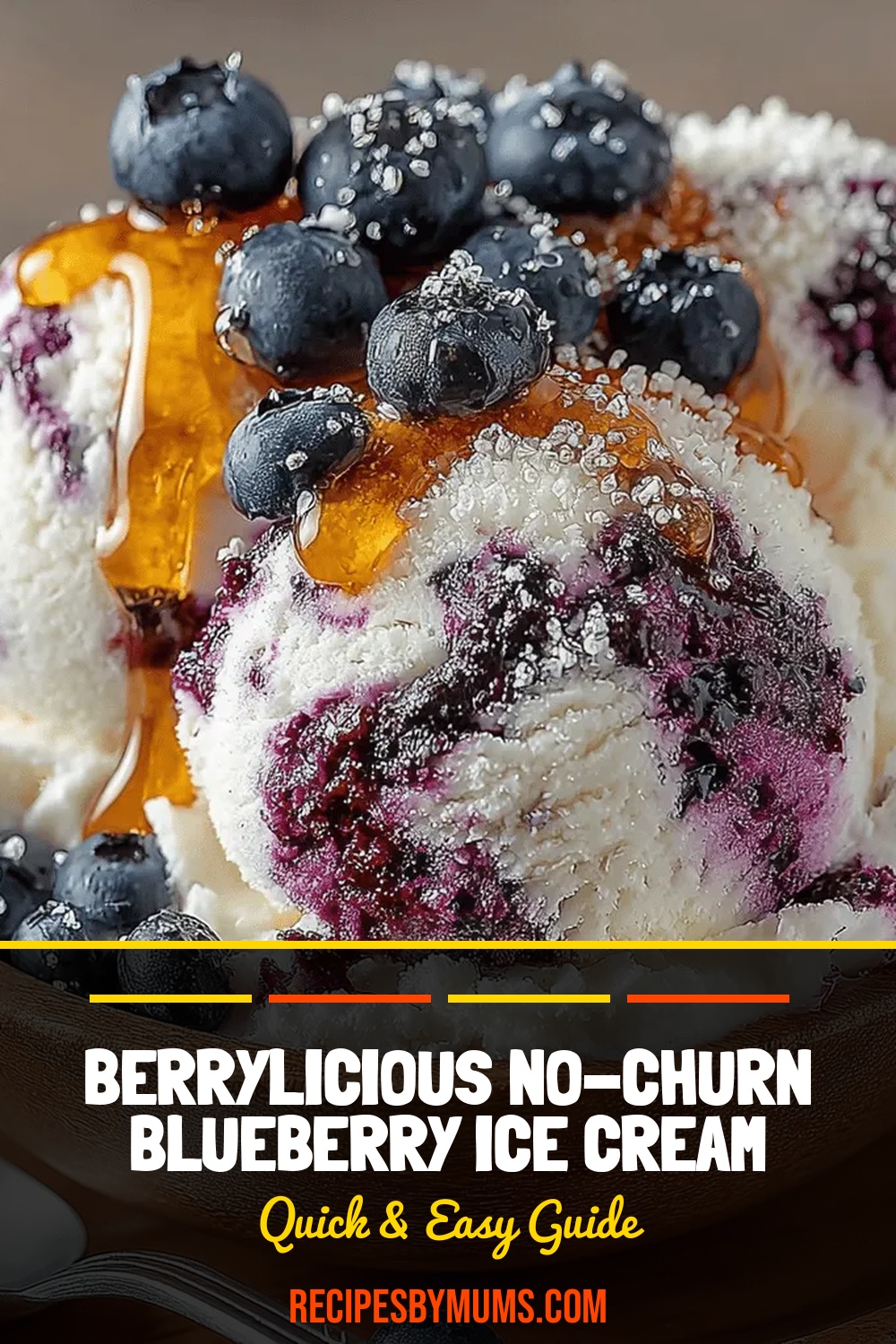
Berrylicious No-Churn Blueberry Ice Cream
Delicious Berrylicious No-Churn Blueberry Ice Cream
 Desserts
Mini Caramel Apple Cheesecake Bites: A Perfect Autumn Treat
Delicious Mini Caramel Apple Cheesecake Bites: A Perfect Autumn Treat
Victoria
I cook these recipes at home before they ever land here — simple ingredients, clear steps.
Other Reader Favorites
 Dinner
warm garlic and rosemary roasted winter squash and potatoes for families
Make a cozy family main dish with garlic & rosemary roasted winter squash & potatoes. Easy…
 Appetizers
Tropical Bliss Mango Peach Salsa: A Flavorful Delight
Delicious Tropical Bliss Mango Peach Salsa: A Flavorful Delight
 Appetizers
Cowboy Baked Beans: The Ultimate Guide To Flavorful Simmering
Learn how to make delicious Cowboy Baked Beans: The Ultimate Guide To Flavorful Simmering. Easy recipe…
 Desserts
Brownie Neapolitan Fudge (No-Bake Layered Fudge)
Learn how to make delicious Brownie Neapolitan Fudge (No-Bake Layered Fudge). Easy recipe with step-by-step instructions.