Lemon Basil Hummus: Bright, Flavorful & Plant-Based
 Save
Save
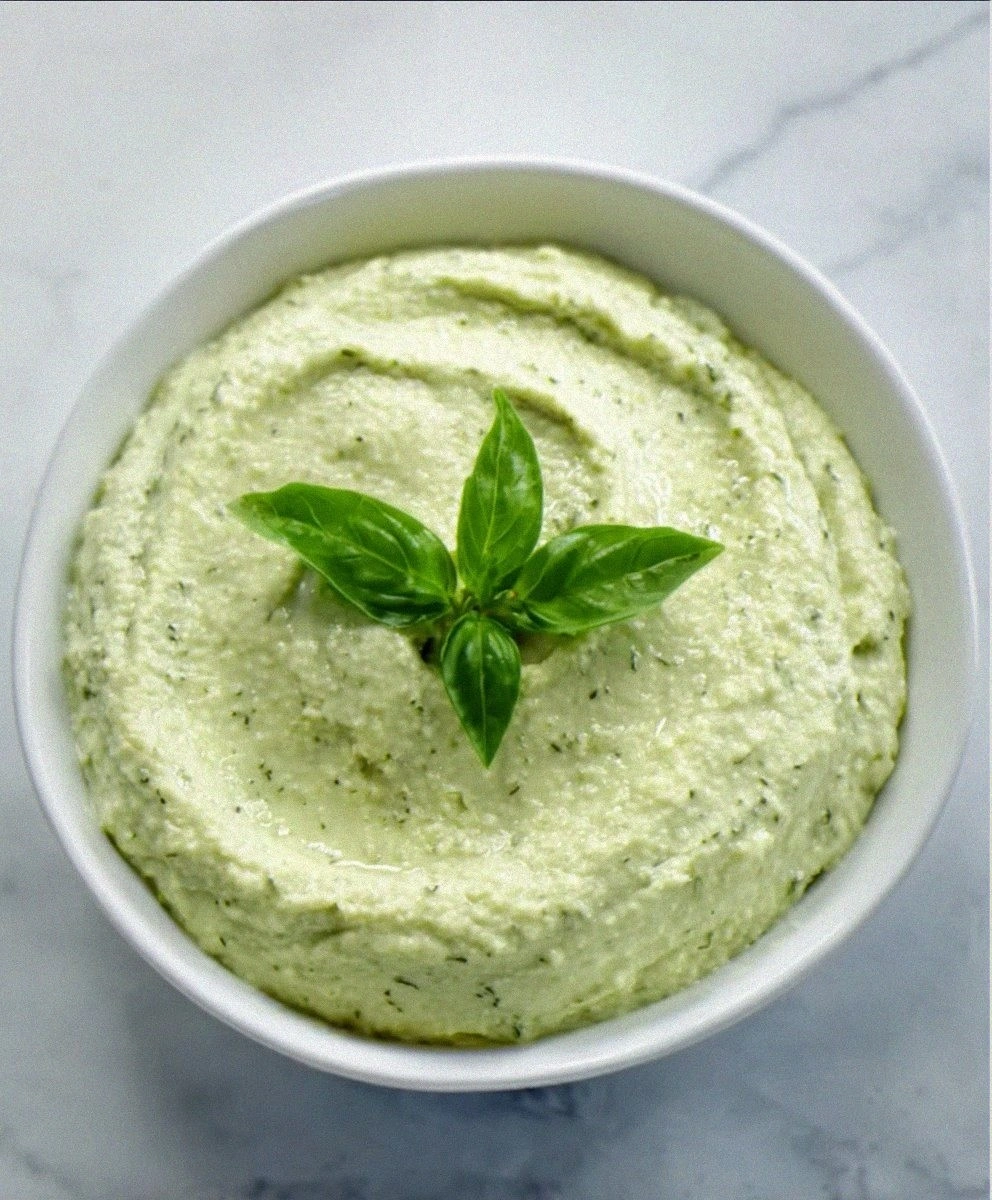
The first time I whipped up a batch of lemon basil hummus, I was standing in my tiny kitchen on a breezy spring afternoon, the scent of fresh basil from my windowsill garden drifting in through the open window. I remember the moment I lifted the lid of the food processor and a bright, citrusy cloud of steam hit me like a gentle sunrise, instantly lifting my mood. The smooth, creamy texture glistened with a hint of olive oil, and the green flecks of basil swirled like tiny emerald fireworks. It was the kind of dish that made you pause, take a deep breath, and think, “This is what summer tastes like, even if it’s still March.”
What makes this hummus stand out isn’t just the tangy lemon or the aromatic basil; it’s the harmony of every component working together like a well-rehearsed orchestra. The chickpeas provide a buttery base, the tahini adds richness, and the garlic gives a subtle bite that never overpowers. I’ve served it at backyard barbecues, brunch tables, and even as a midnight snack after a late-night study session, and each time it has sparked conversation and smiles. The best part? It’s completely plant‑based, so it fits perfectly into any dietary lifestyle without sacrificing flavor.
But wait – there’s a secret ingredient that most people skip, and it makes all the difference. I won’t reveal it just yet, because I want you to experience that little “aha!” moment when you taste the finished dip. Trust me, once you discover it, you’ll never go back to ordinary hummus again. And if you think you’ve mastered classic hummus, this recipe will challenge everything you thought you knew about how versatile a simple chickpea spread can be.
Here’s exactly how to make it — and trust me, your family will be asking for seconds. By the end of this article you’ll have a bright, flavorful, plant‑based dip that feels both familiar and excitingly new. So grab your apron, gather the ingredients, and let’s dive into a culinary adventure that will brighten any table.
🌟 Why This Recipe Works
- Flavor Depth: The combination of lemon juice and fresh basil creates layers of brightness that cut through the richness of tahini, delivering a balanced taste that never feels heavy. Each bite offers a burst of citrus followed by herbaceous undertones, keeping your palate intrigued.
- Silky Texture: By blending the chickpeas with a generous drizzle of olive oil and a splash of water, the hummus achieves a velvety smoothness that feels luxurious on the tongue. The key is to process long enough for the natural starches to break down, turning the dip into a creamy masterpiece.
- Ease of Preparation: This recipe uses only one appliance – your trusty food processor – so cleanup is a breeze. Even if you’re a kitchen novice, the step‑by‑step instructions guide you confidently from start to finish.
- Time Efficiency: With just 15 minutes of prep and 30 minutes of cooking, you can have a restaurant‑quality appetizer ready in under an hour. Perfect for spontaneous gatherings or planned dinner parties.
- Versatility: Serve it as a dip with pita chips, a spread on toasted baguette slices, or a topping for roasted vegetables. The bright flavor profile pairs beautifully with a wide range of dishes, making it a true kitchen workhorse.
- Nutrition Boost: Chickpeas are packed with protein and fiber, while basil offers antioxidants and vitamin K. The recipe is low in saturated fat and free from dairy, fitting nicely into a balanced, plant‑based diet.
- Ingredient Quality: Fresh basil and freshly squeezed lemon juice elevate the dish far beyond the canned, processed versions you might find in a grocery aisle. The quality of each component shines through, creating a taste that feels both wholesome and gourmet.
- Crowd‑Pleasing Factor: Even the most skeptical meat‑eaters are often won over by the bright, fresh flavors and creamy texture. It’s a safe bet for parties where you don’t know everyone’s dietary preferences.
🥗 Ingredients Breakdown
The Foundation: Chickpeas & Tahini
The star of any hummus is the chickpea, also known as garbanzo bean. I always start with dry chickpeas, soaking them overnight to soften the skins and improve digestibility. If you’re short on time, a good quality canned chickpea works just as well—just be sure to rinse them thoroughly to remove excess sodium. Tahini, a paste made from ground sesame seeds, brings a buttery richness that binds the dip together, creating that luxurious mouthfeel we all love.
Why choose tahini over a generic oil? The nutty flavor of sesame adds a subtle complexity that plain olive oil can’t match, and it also contributes healthy unsaturated fats. If you have a sesame allergy, you can substitute with a tablespoon of almond butter or even a neutral‑tasting sunflower seed butter, though the flavor profile will shift slightly.
Aromatics & Spices: Garlic, Lemon & Basil
Garlic is the aromatic backbone that gives hummus its characteristic bite. I prefer using a fresh clove, minced finely, because it releases more allicin, the compound responsible for that pungent aroma. If you’re sensitive to raw garlic’s sharpness, you can roast it first; it will become sweeter and less harsh, adding a caramelized nuance.
Lemon juice is the bright spark that lifts the entire dish. The acidity balances the earthiness of the chickpeas and the richness of the tahini, while also helping to preserve the vibrant green color of the basil. Always use freshly squeezed lemon juice – bottled juice can introduce a dull, processed flavor that dulls the overall brightness.
Fresh basil is the secret hero that transforms this hummus from ordinary to unforgettable. The herb’s sweet, peppery notes add a garden‑fresh quality that pairs perfectly with citrus. When selecting basil, look for deep green leaves without dark spots; the fresher the leaves, the more aromatic the final dip will be.
The Secret Weapons: Olive Oil & Water
Extra‑virgin olive oil does more than add richness; it carries flavor compounds that enhance the overall taste. Drizzle it slowly while the processor is running to achieve a silky emulsion. If you want a lighter version, you can replace half of the olive oil with a splash of cold water, which helps achieve that ultra‑smooth texture without adding extra fat.
A pinch of sea salt and a grind of freshly cracked black pepper finish the seasoning. Salt amplifies the flavors, while pepper adds a gentle heat that rounds out the dip. Some cooks also like to add a dash of smoked paprika for a subtle smoky finish – that’s a great optional twist you might try later.
Finishing Touches: Garnishes & Serving Ideas
A final drizzle of olive oil, a sprinkle of toasted pine nuts, or a few extra basil leaves on top can elevate the presentation. I love adding a zest of lemon right before serving; it adds an extra pop of aroma that makes the dish even more inviting. Pair it with warm pita, crunchy vegetable sticks, or even a crisp green salad for a complete snack.
Now that your ingredients are prepped and ready, let’s get cooking. Here’s where the fun really begins...
🍳 Step-by-Step Instructions
🔐 Expert Tips for Perfect Results
The Taste Test Trick
Before you seal the lid on your final serving bowl, take a spoonful and let it sit on your palate for a few seconds. Notice how the lemon brightens the flavor, then how the basil settles in as a gentle, lingering herb note. If the dip feels a bit flat, add a pinch more salt or a drizzle of olive oil; these tiny adjustments can make a huge difference. I once served a batch that was a shade too acidic, and a quick splash of tahini brought it back into balance.
Why Resting Time Matters More Than You Think
After blending, let the hummus rest for at least 15 minutes before serving. This short pause allows the flavors to meld, especially the lemon and basil, creating a more harmonious taste. I’ve found that the texture also settles, becoming even smoother as the oils fully incorporate. If you’re planning ahead, make the hummus a day before your event and store it covered; the flavor will deepen beautifully.
The Seasoning Secret Pros Won’t Tell You
A dash of smoked paprika or a pinch of ground cumin can add a hidden layer of complexity without overpowering the bright notes. Professionals often finish their hummus with a whisper of sumac, which adds a tangy, lemony flavor that pairs perfectly with basil. Experiment with a tiny amount first – you’ll be surprised how a little spice can elevate the entire profile.
Texture Mastery: Water vs. Aquafaba
While many recipes call for plain water, using the cooking liquid (aquafaba) introduces a subtle richness and helps the dip stay creamy longer. If you’re using canned chickpeas, reserve the liquid from the can and use it in place of water. This simple swap can be the difference between a runny spread and a velvety masterpiece.
Garnish Like a Pro
The final garnish isn’t just for looks – it adds texture and bursts of flavor. Toasted pine nuts add a buttery crunch, while a drizzle of infused olive oil (think lemon‑zest oil) adds an aromatic finish. I love sprinkling a few micro‑basil leaves on top; they’re delicate, beautiful, and amplify the herbaceous aroma.
🌈 Delicious Variations to Try
One of my favorite things about this recipe is how versatile it is. Here are some twists I’ve tried and loved:
Sun‑Dried Tomato Basil Fusion
Add ¼ cup of finely chopped sun‑dried tomatoes (re‑hydrated in warm water) to the blend. The sweet, tangy tomato notes complement the lemon and basil, creating a Mediterranean‑inspired dip that pairs wonderfully with crusty bread.
Spicy Jalapeño Kick
Stir in one finely diced jalapeño (seeds removed for less heat) during the final blend. The heat balances the citrus, giving the hummus a lively zing that’s perfect for taco nights or as a bold appetizer.
Creamy Avocado Basil Blend
Swap half of the chickpeas for a ripe avocado. The avocado adds a buttery richness and a beautiful green hue, while the basil and lemon keep the flavor bright and fresh.
Roasted Red Pepper & Basil
Blend in a roasted red bell pepper for a sweet, smoky undertone. The pepper’s natural sugars enhance the lemon’s acidity, and the color makes the dip pop on any platter.
Herb‑Infused Olive Oil Drizzle
Infuse olive oil with rosemary and thyme, then drizzle over the finished hummus. This aromatic oil adds an earthy depth that pairs beautifully with the fresh basil, turning a simple dip into a sophisticated starter.
📦 Storage & Reheating Tips
Refrigerator Storage
Transfer the hummus to an airtight container and smooth the surface with a thin layer of olive oil to prevent oxidation. It will stay fresh for up to five days, and the flavors will continue to develop, becoming richer and more cohesive. If you notice the dip thickening too much, stir in a splash of cold water or extra lemon juice to revive its silky texture.
Freezing Instructions
For longer storage, portion the hummus into freezer‑safe bags or containers, leaving a little headspace for expansion. Freeze for up to three months. When you’re ready to enjoy it, thaw overnight in the refrigerator, then give it a quick stir and a drizzle of olive oil to bring back its glossy sheen.
Reheating Methods
Hummus is best served at room temperature, but if you need to warm it slightly, place the container in a bowl of warm water for 5‑10 minutes. Avoid microwaving, as it can cause the dip to become rubbery. The trick to reheating without drying it out? Add a teaspoon of water or lemon juice and stir gently – the dip will regain its creamy consistency in seconds.
❓ Frequently Asked Questions
Can I use canned chickpeas instead of dried?
Why does my hummus turn out grainy?
Can I make this hummus vegan?
How long can I keep the hummus at room temperature?
What if I don’t have fresh basil?
Can I add other herbs besides basil?
Is it okay to add more lemon juice after blending?
What’s the best way to serve this hummus for a dinner party?


Other Reader Favorites
 Breakfast
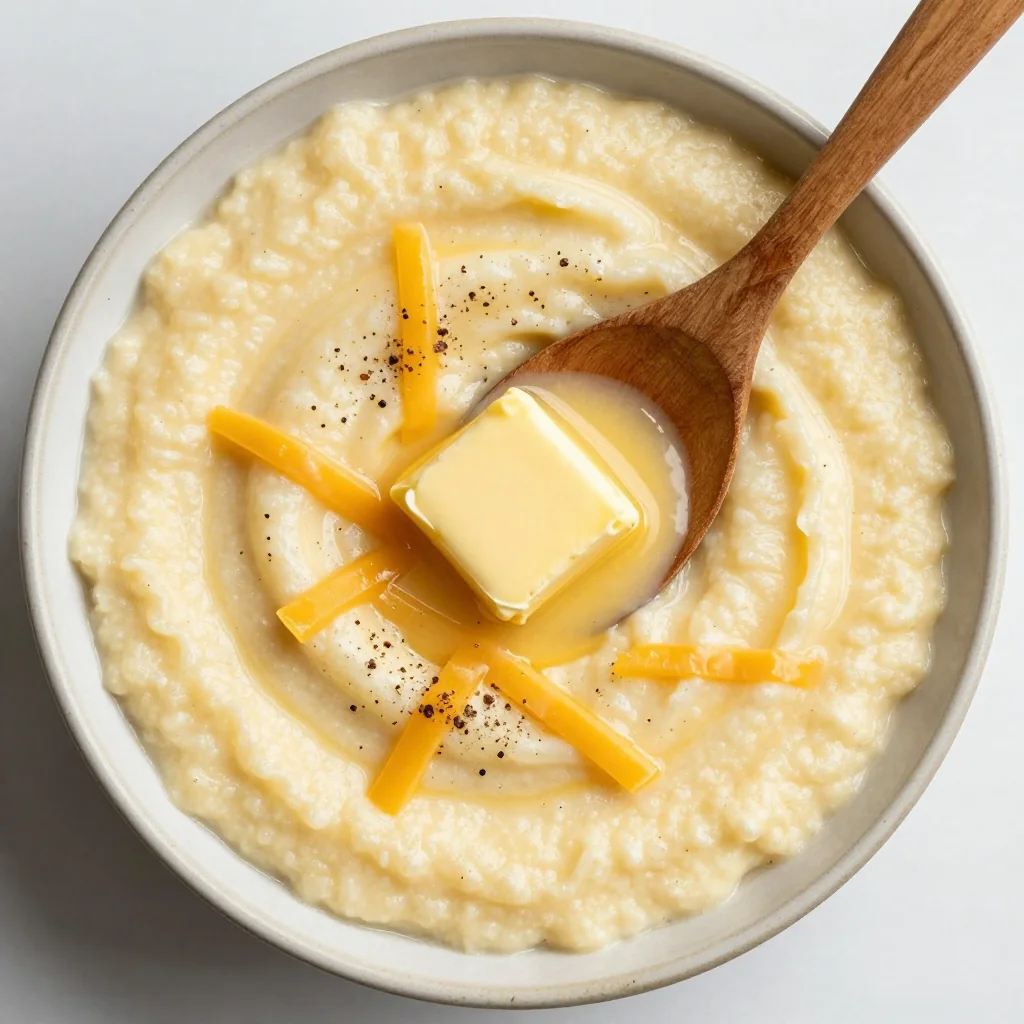
Warm Savory Breakfast Grits With Cheese For A Creamy January Treat
Learn how to make delicious Warm Savory Breakfast Grits With Cheese For A Creamy January Treat.…
 Appetizers
Irresistible Football Sunday Food: 2 Crowd-Pleasing Recipes
Learn how to make delicious Irresistible Football Sunday Food: 2 Crowd-Pleasing Recipes. Easy recipe with step-by-step…
 Dinner
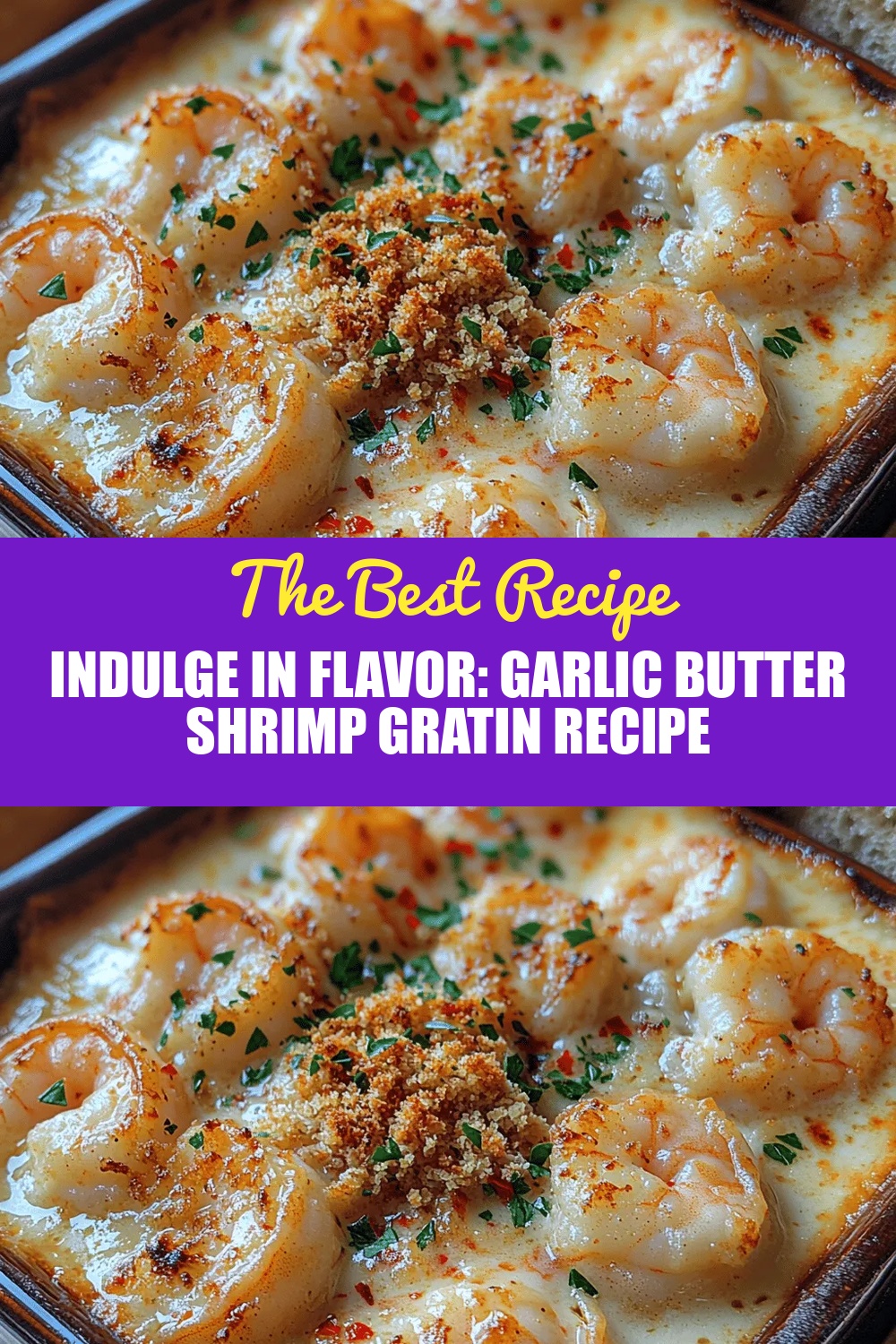
Indulge in Flavor: Garlic Butter Shrimp Gratin Recipe
Delicious Indulge in Flavor: Garlic Butter Shrimp Gratin Recipe
 Dinner
General Tso’s Chicken Delight Recipe
Delicious General Tso’s Chicken Delight Recipe