Hearty Budae Jjigae: Your New Favorite One-Pot Wonder
 Save
Save
It was one of those evenings when the sky was a bruised indigo and the wind whispered through the cracked windows of my tiny apartment. I was hunched over a battered stainless‑steel pot, the kind that has survived countless late‑night ramen cravings, and I could already hear the faint sizzle of garlic hitting hot oil. The moment I lifted the lid, a cloud of fragrant steam rolled out, carrying the smoky perfume of fermented kimchi, the sweet heat of gochujang, and the comforting aroma of simmering broth. That first breath felt like a hug from my grandmother, who used to serve a similar stew on rainy days when the world outside seemed too cold to face.
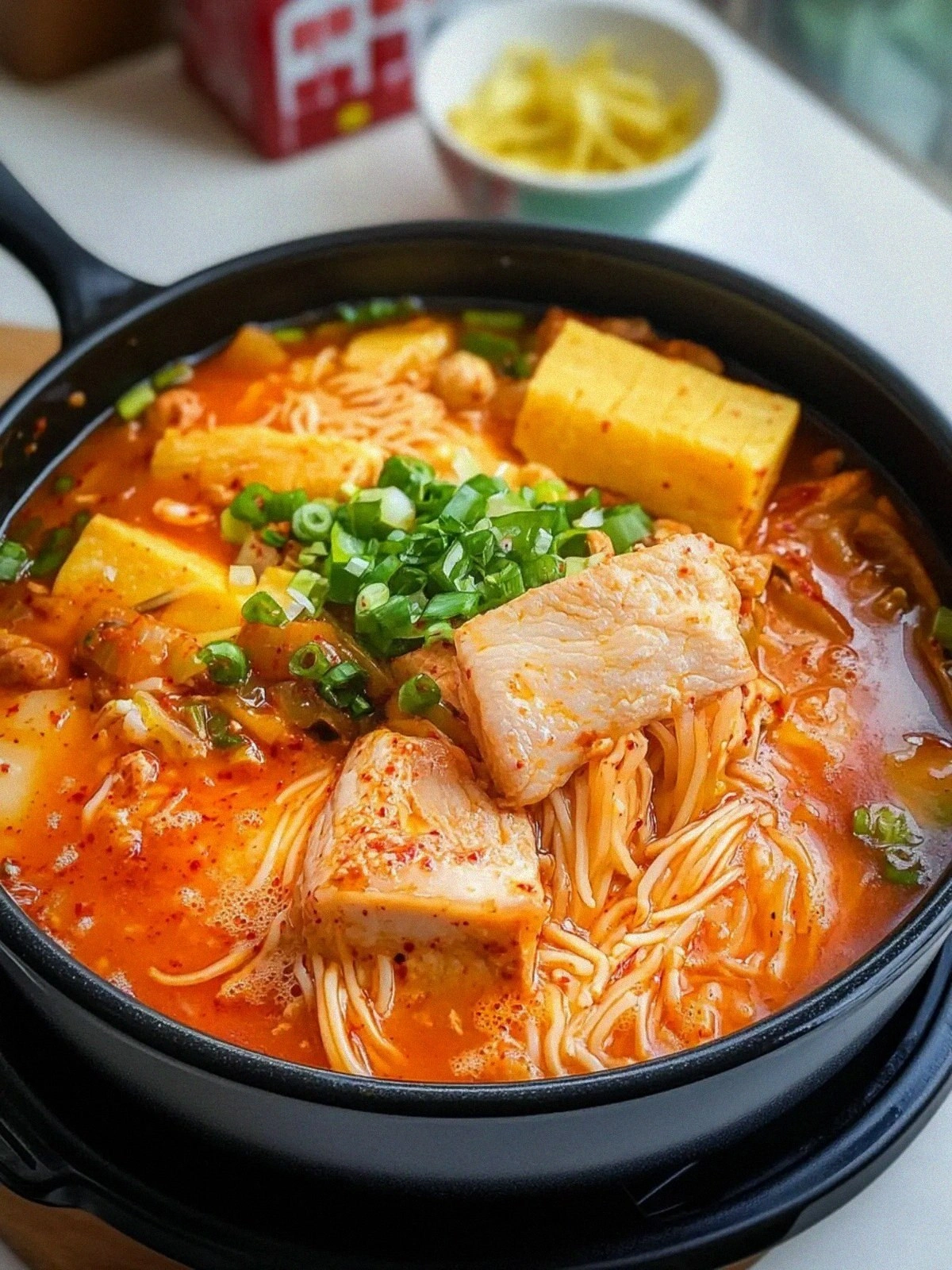
What makes this Budae Jjigae (also affectionately known as “army stew”) so special is its beautiful chaos—a harmonious clash of flavors that somehow sings in perfect unison. Imagine tender cubes of Spam soaking up a spicy‑sweet broth, chewy rice cakes offering a pleasant chew, and a melty blanket of cheese that pulls everything together like a culinary crescendo. The dish is a celebration of leftovers, a tribute to ingenuity born out of scarcity, yet it feels luxurious enough to be the star of any dinner table. Have you ever wondered why the version you get at a bustling Seoul street stall tastes so much richer than the one you try at home? The answer lies in the balance of umami, heat, and texture, and I’m about to reveal those secrets.
But wait—there’s a hidden trick that takes this one‑pot wonder from good to unforgettable, and it’s tucked away in step four of the cooking process. I’ll spill the beans (and the cheese) later, so keep reading! As we journey through the preparation, you’ll discover why each ingredient earns its place, how a few mindful tweaks can elevate the entire pot, and which common pitfalls to avoid. Trust me, the payoff is a bowl that makes you want to dive in with a spoon, slurp the broth, and then go back for seconds.
Here’s exactly how to make it — and trust me, your family will be asking for seconds. Grab your favorite pot, gather the pantry staples, and let’s turn a simple night into a hearty feast that will become the new go‑to comfort food in your kitchen. Ready? Let’s get cooking and uncover the magic hidden in every bubble.
🌟 Why This Recipe Works
- Flavor Depth: The combination of gochujang, gochugaru, soy sauce, and mirin creates a layered flavor profile that starts with a sweet umami base, builds into a gentle heat, and finishes with a subtle caramelized note. Each bite delivers a new nuance, keeping your palate engaged from the first spoonful to the last.
- Textural Harmony: From the silky tofu cubes to the chewy rice cakes and the crisp bite of sausage, the stew offers a delightful contrast that makes every spoonful exciting. The cheese melt adds a luscious, creamy finish that binds everything together without drowning out the spices.
- One‑Pot Convenience: Everything cooks in a single pot, meaning less cleanup and more time to enjoy the company of your loved ones. The pot also acts as a flavor collector, allowing the broth to absorb every aromatic nuance.
- Speedy Preparation: With a prep time of just 15 minutes and a cooking time of 30, you can have a restaurant‑quality stew on the table in under an hour. Perfect for busy weekdays or spontaneous gatherings.
- Versatility: This recipe welcomes substitutions—swap the Spam for diced pork belly, replace ramen with udon, or add a handful of fresh spinach for extra greens. It adapts to what you have on hand, making it an excellent “clean‑out‑the‑fridge” dish.
- Nutritional Balance: While indulgent, the stew still packs protein from tofu and meat, fiber from kimchi and vegetables, and a modest amount of carbs from rice cakes and noodles. It’s a satisfying meal that fuels both body and soul.
- Crowd‑Pleasing Factor: The bold, familiar flavors of Korean comfort food make it a hit with both seasoned foodies and newcomers. The visual appeal—vibrant reds, golden broth, and melted cheese—adds to the excitement.
- Ingredient Quality: By using quality Spam, fresh kimchi, and authentic Korean condiments, the stew reaches a depth of flavor that cheap shortcuts simply can’t match. The result is a dish that feels both authentic and elevated.
🥗 Ingredients Breakdown
The Foundation: Broth Builders
The broth is the heart of any stew, and here we rely on a trio of liquid seasonings: soy sauce, mirin, and a splash of water. Soy sauce provides that deep, salty umami that anchors the flavors, while mirin adds a whisper of sweetness and a glossy sheen to the broth. If you’re looking for a lower‑sodium option, try using a reduced‑salt soy sauce and balancing with a pinch of sugar.
Aromatics & Spices: The Flavor Fireworks
Four cloves of minced garlic release a fragrant base that mingles perfectly with the heat of gochugaru (Korean red pepper flakes) and the fermented complexity of gochujang. The garlic’s sharp bite mellows as it cooks, creating a sweet, caramelized undertone. Gochugaru brings a bright, smoky heat, while gochujang adds depth, a touch of tang, and a beautiful ruby hue.
The Secret Weapons: Protein & Comfort
Spam and sausage are the iconic “army” components that give this stew its name—originally a clever use of surplus US military rations after the Korean War. Their salty, fatty richness infuses the broth, while tofu offers a gentle, silky contrast that soaks up every flavor. The rice cakes (tteok) contribute a satisfying chew that softens just enough to become melt‑in‑your‑mouth, and the cheese—usually a mild mozzarella or cheddar—creates a luxurious, velvety finish.
Finishing Touches: Freshness & Crunch
Kimchi brings a tangy, fermented bite that cuts through the richness, while enoki mushrooms add a delicate, slightly crunchy texture that disappears into the broth after a few minutes of simmering. The onion, sliced thin, softens into a sweet caramel, and the ramen noodles give the stew its heart‑warming, slurp‑worthy body. For an extra pop, consider topping each bowl with a drizzle of sesame oil or a sprinkle of toasted sesame seeds.
With your ingredients prepped and ready, let's get cooking. Here's where the fun really begins…
🍳 Step-by-Step Instructions
🔐 Expert Tips for Perfect Results
The Taste Test Trick
Before you finish cooking, take a spoonful and let it cool just enough to taste. This is the moment to adjust seasoning—add a splash more soy sauce for salt, a pinch of sugar for balance, or a few extra gochugaru if you crave heat. Trust your palate; it knows exactly what the stew needs.
Why Resting Time Matters More Than You Think
Allow the stew to rest, covered, for 5 minutes after turning off the heat. This short pause lets the flavors continue to meld, and the cheese settles into a silky coating. I once served it immediately and missed that luxurious mouthfeel; now I always wait.
The Seasoning Secret Pros Won’t Tell You
A dash of toasted sesame oil added at the very end adds a nutty aroma that elevates the entire dish. It’s a tiny step that makes a massive difference—think of it as the finishing brushstroke on a painting.
Choosing the Right Kimchi
For the most authentic flavor, use well‑fermented, aged kimchi that’s slightly sour and bubbly. Fresh, mild kimchi can be pleasant but won’t provide the deep tang that cuts through the richness. If you can’t find traditional kimchi, a quick‑pickled napa cabbage with chili flakes works in a pinch.
Noodle Timing Mastery
Add the ramen noodles just before the stew is done; they only need 3‑4 minutes to become perfectly tender. Over‑cooking them turns them into a soggy mess, while under‑cooking leaves a harsh bite. Keep a timer handy.
Cheese Choices Matter
While mozzarella melts beautifully, a mild cheddar adds a richer, buttery flavor. I experimented with both and found that cheddar gives a deeper umami that complements the gochujang. Feel free to mix half mozzarella and half cheddar for a complex melt.
🌈 Delicious Variations to Try
One of my favorite things about this recipe is how versatile it is. Here are some twists I've tried and loved:
Seafood Surge
Swap the sausage and Spam for a handful of peeled shrimp and mussels. The seafood absorbs the spicy broth beautifully, and the briny notes add a new dimension. Just add them in the last 3 minutes to avoid overcooking.
Veggie‑Heavy Delight
Replace the meat with sliced zucchini, baby corn, and sliced bell peppers. The vegetables retain a slight crunch, offering a lighter version that still packs the bold flavors. This is perfect for a vegetarian gathering.
Cheesy Overload
Add a second layer of cheese—mix cheddar with a bit of gouda for a smoky, melty crown. The extra cheese creates a thick, luscious sauce that clings to every noodle and rice cake.
Spice‑Level Boost
Increase the gochugaru by another tablespoon and toss in a sliced fresh Thai chili for an extra kick. If you love heat, this variation will make your taste buds dance.
Herbal Freshness
Finish the stew with a handful of fresh cilantro and a squeeze of lime juice just before serving. The herbal brightness cuts through the richness and adds a surprising pop of flavor.
Fusion Ramen
Swap the traditional ramen noodles for udon or even soba for a different texture. The thicker udon noodles hold onto the broth longer, while soba adds a nutty note that pairs well with the spicy sauce.
📦 Storage & Reheating Tips
Refrigerator Storage
Allow the stew to cool to room temperature, then transfer it to an airtight container. It will keep for up to 3 days in the fridge. When reheating, add a splash of water or broth to revive the broth’s consistency, and stir gently to prevent the cheese from separating.
Freezing Instructions
For longer storage, portion the stew into freezer‑safe bags, leaving a little headspace for expansion. It freezes well for up to 2 months. Thaw overnight in the fridge, then reheat on the stovetop over low heat, adding a bit more liquid if needed.
Reheating Methods
The best method is a gentle stovetop simmer—bring the stew back to a low boil, stirring occasionally. In a microwave, heat in 1‑minute intervals, stirring between each, and add a drizzle of water to keep it from drying out. Avoid high heat, which can cause the cheese to become rubbery.
❓ Frequently Asked Questions
Can I make Budae Jjigae without cheese?
What if I don’t have gochujang?
Is it okay to use fresh kimchi instead of aged?
Can I use tofu skin instead of regular tofu?
How spicy is this dish really?
Can I make this in a slow cooker?
What side dishes pair best with Budae Jjigae?
Is this stew gluten‑free?
Similar Recipes
 Dinner
Crockpot Potato Recipes: 7 Irresistibly Creamy Ideas
Learn how to make delicious Crockpot Potato Recipes: 7 Irresistibly Creamy Ideas. Easy recipe with step-by-step…
 Dinner
Zesty Zucchini-Stuffed Sweet Potatoes
Delicious Zesty Zucchini-Stuffed Sweet Potatoes
 Dinner
Zesty Sheet Pan Fajita Chicken
Delicious Zesty Sheet Pan Fajita Chicken
 Dinner
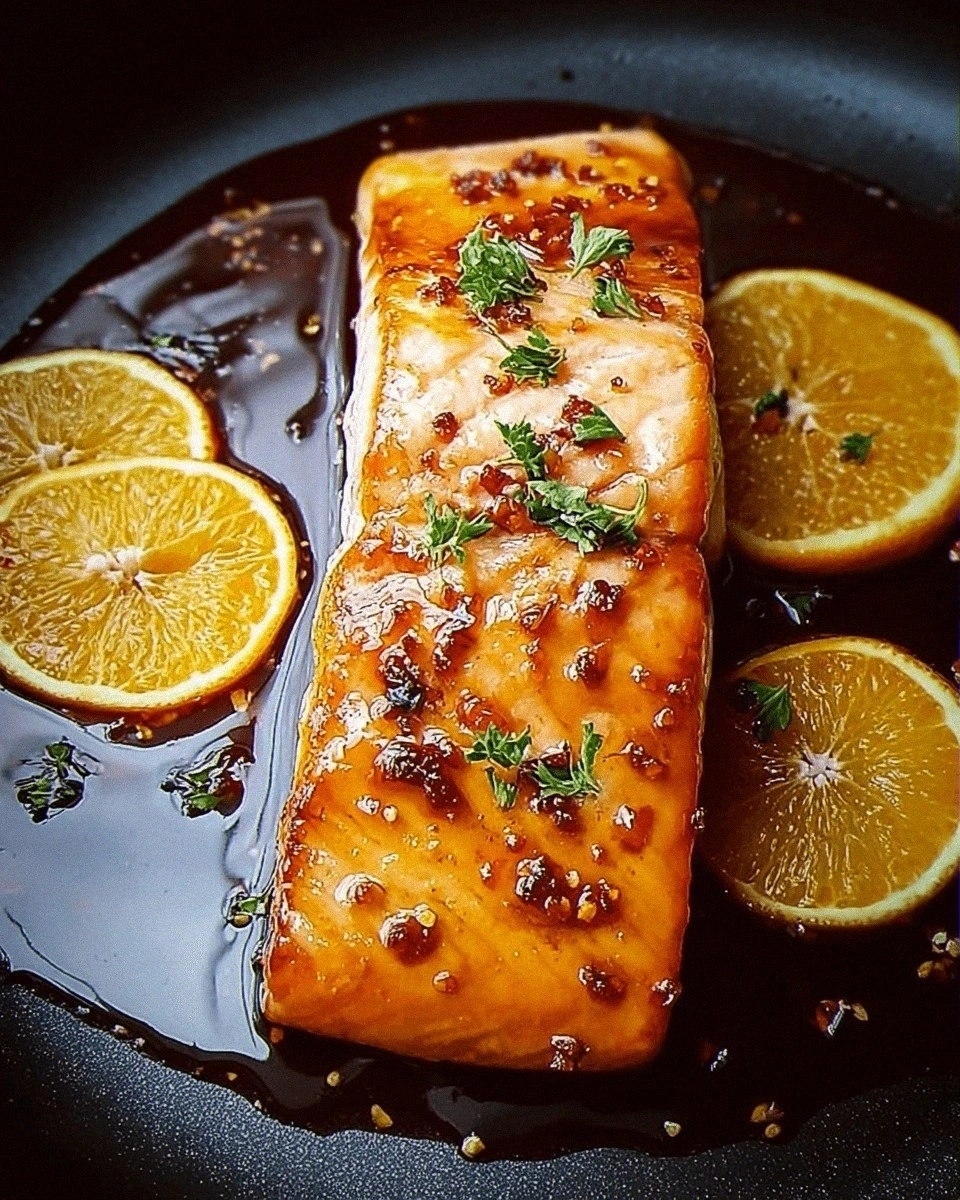
Orange Glazed Salmon: Discover a Citrus Delight Recipe!
Learn how to make delicious Orange Glazed Salmon: Discover a Citrus Delight Recipe!. Easy recipe with…
 Dinner
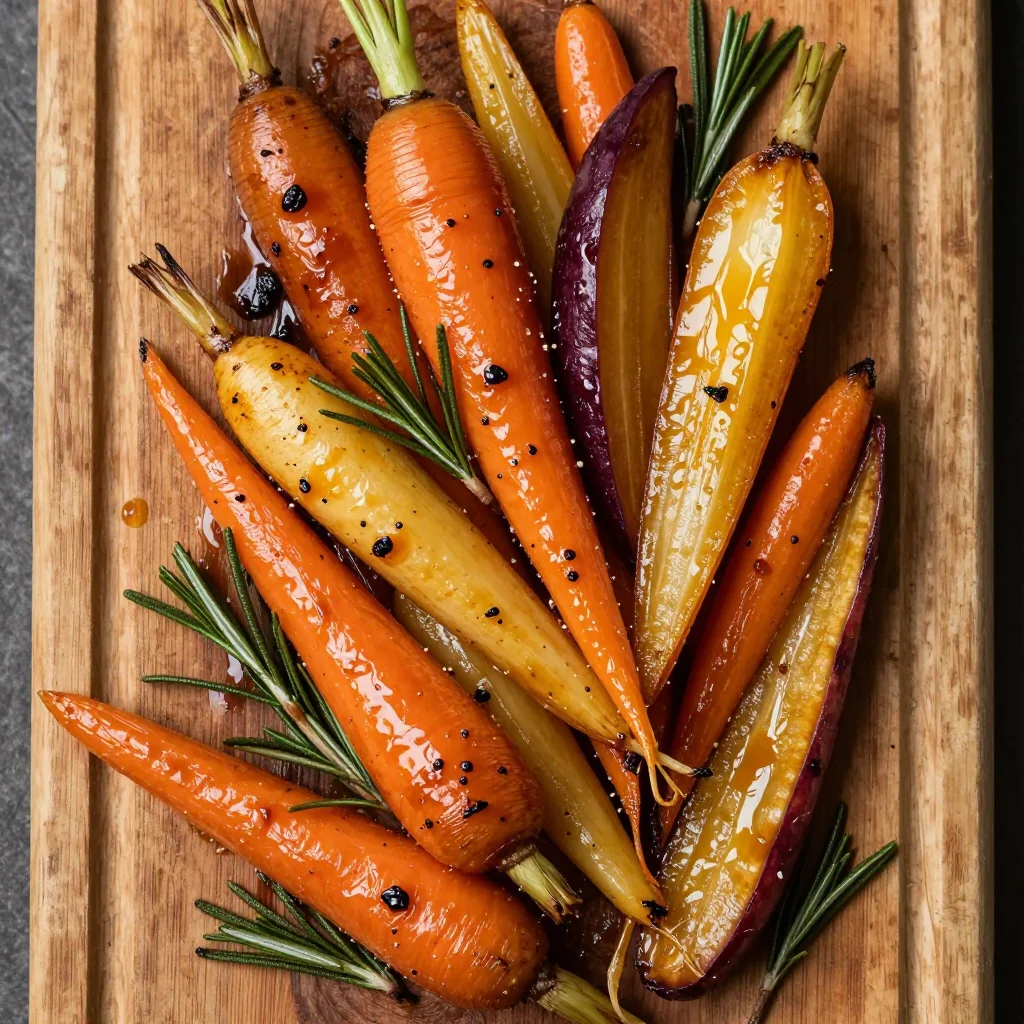
mapleglazed roasted root vegetables with fresh rosemary
Learn how to make delicious mapleglazed roasted root vegetables with fresh rosemary. Easy recipe with step-by-step…
 Dinner
Cheesy Chicken and Rice Skillet for Quick Dinner
Learn how to make delicious Cheesy Chicken and Rice Skillet for Quick Dinner. Easy recipe with…
 Dinner
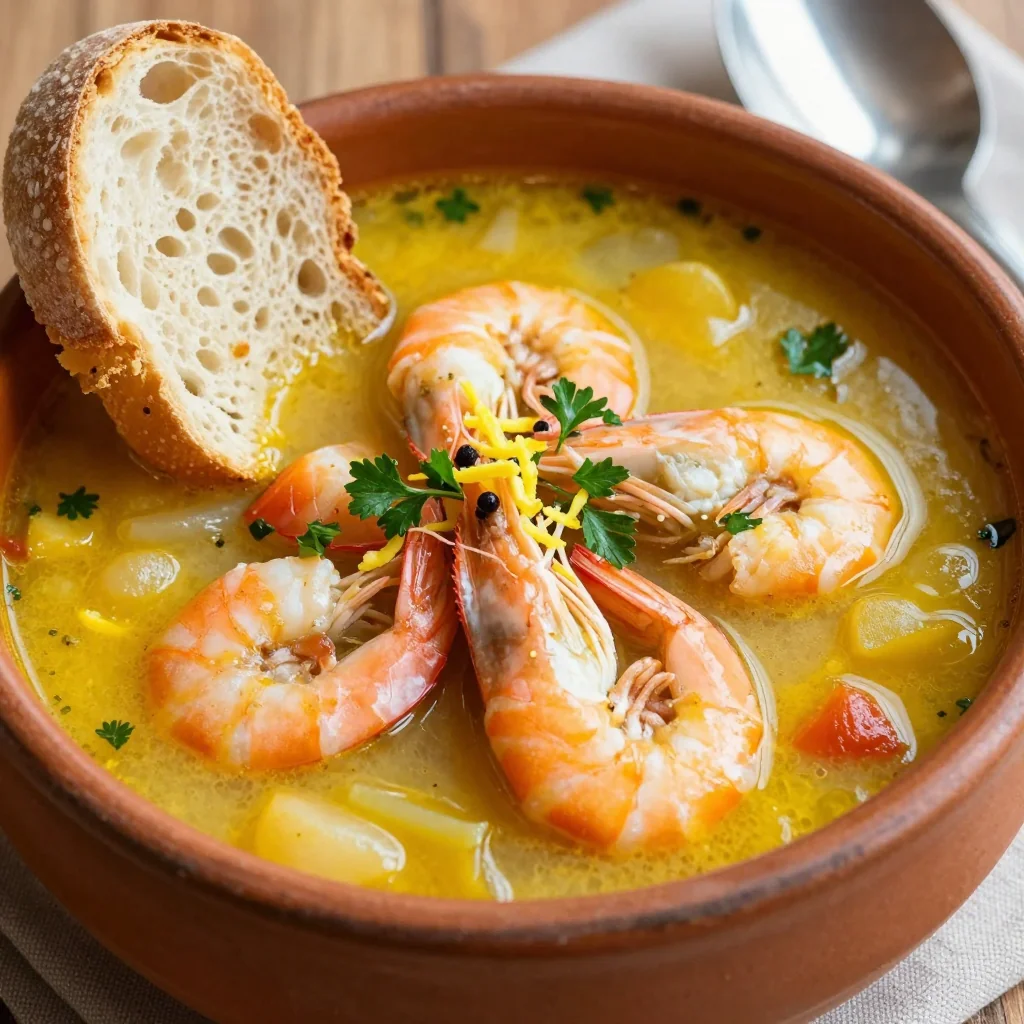
Quick Lemon Shrimp Stew for Light Dinners
Learn how to make delicious Quick Lemon Shrimp Stew for Light Dinners. Easy recipe with step-by-step…
 Dinner
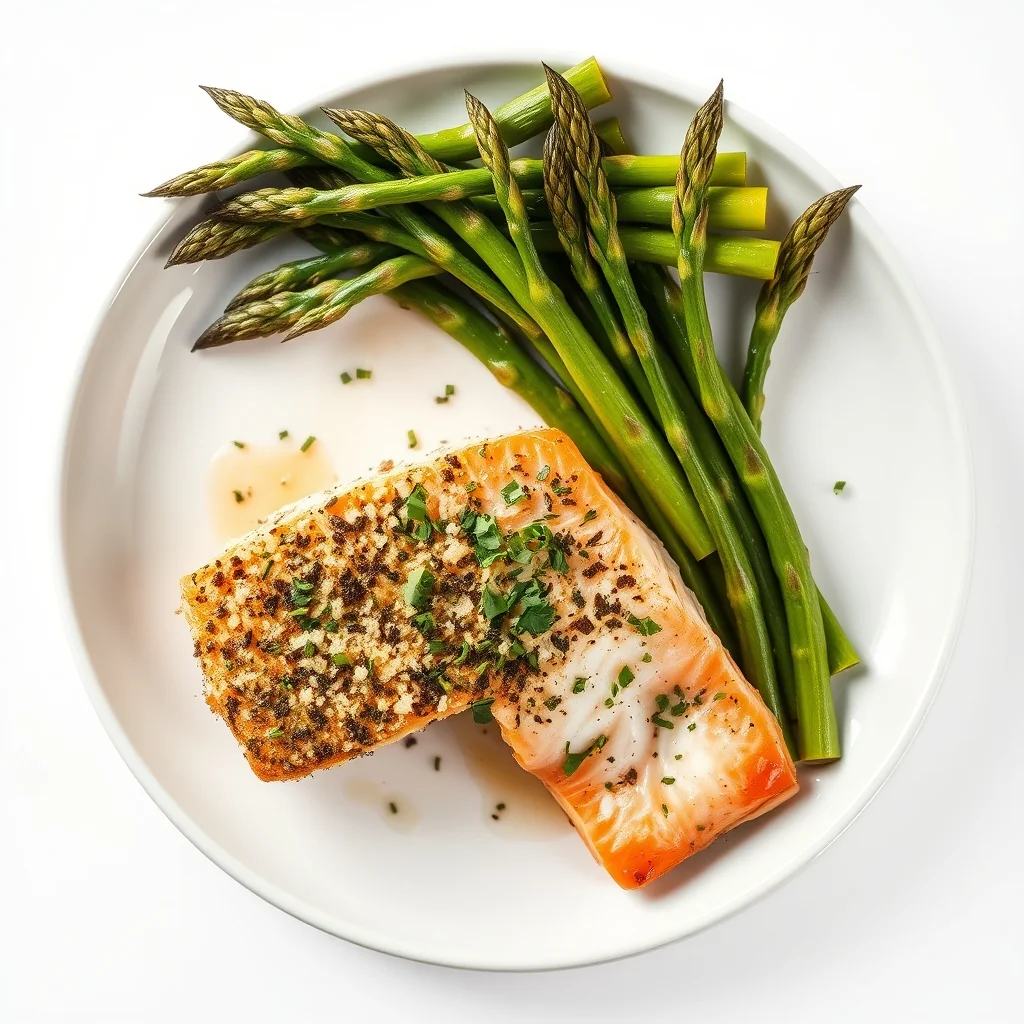
Savory Herb-Crusted Salmon with Crisp Asparagus
Delicious Savory Herb-Crusted Salmon with Crisp Asparagus

Victoria
I cook these recipes at home before they ever land here — simple ingredients, clear steps.
Other Reader Favorites
 Dinner
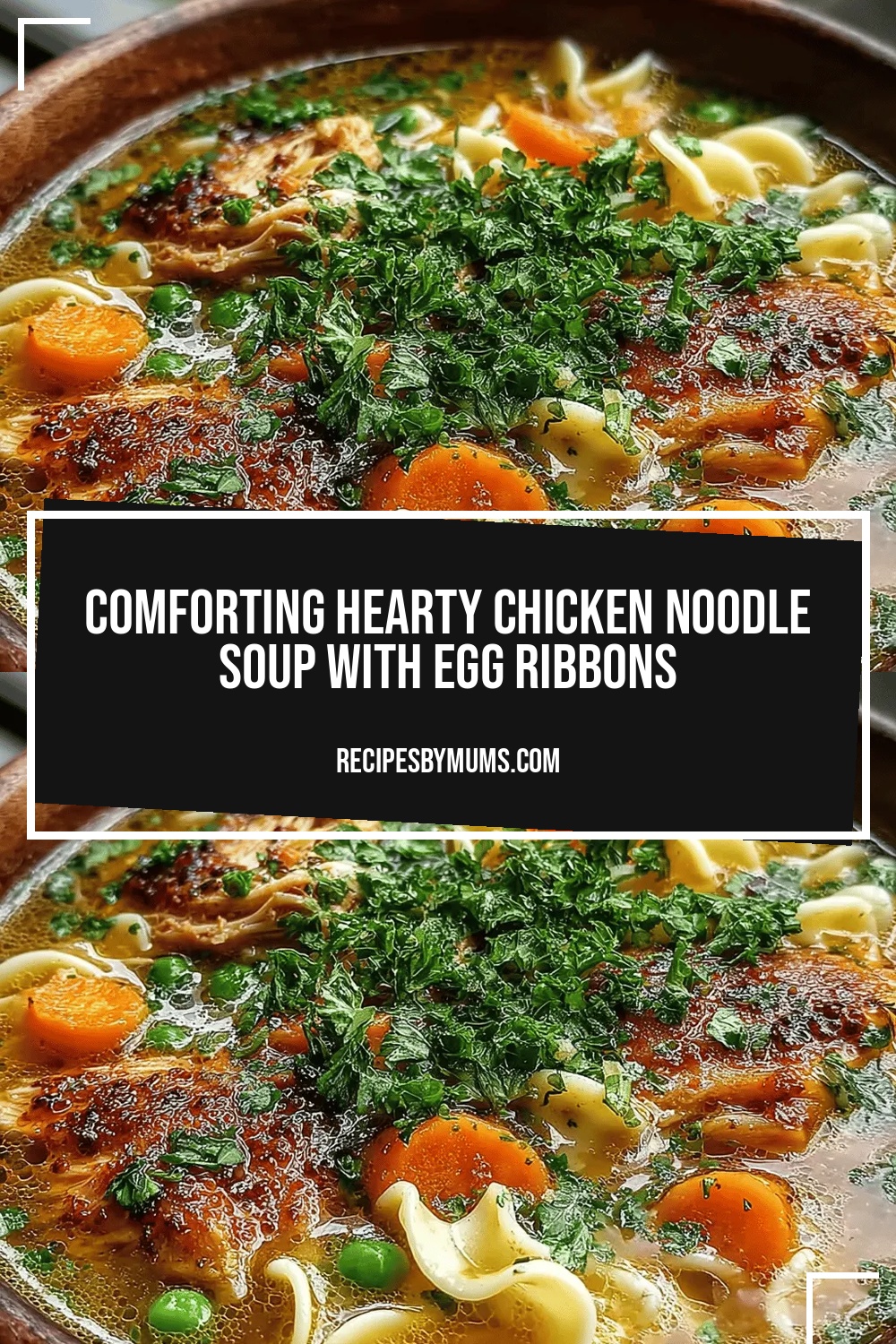
Comforting Hearty Chicken Noodle Soup with Egg Ribbons
Delicious Comforting Hearty Chicken Noodle Soup with Egg Ribbons
 Dinner
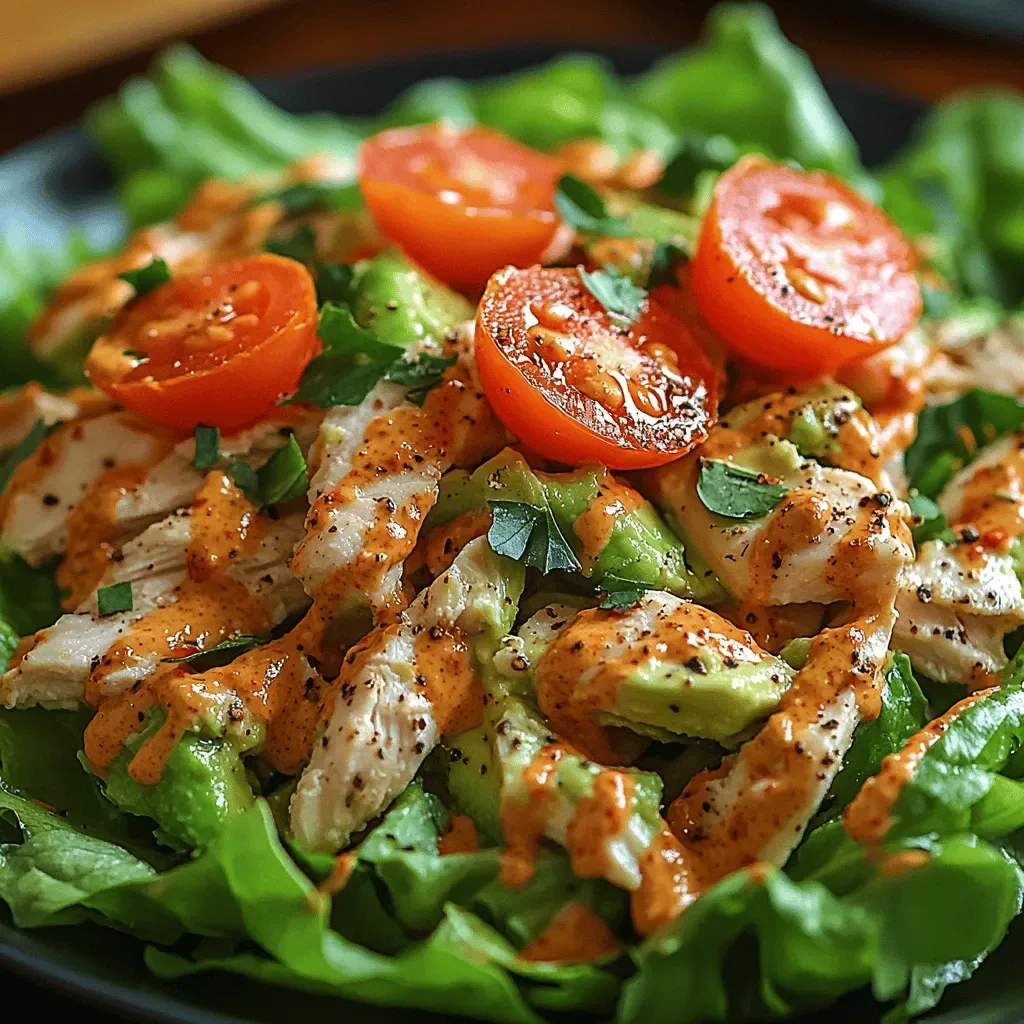
Creamy Avocado Chicken Delight: A Flavorful and Nutritious Meal
Delicious Creamy Avocado Chicken Delight: A Flavorful and Nutritious Meal
 Appetizers
Cheesy Halloween Breadstick Bones for Spooky Snacking Fun
Learn how to make delicious Cheesy Halloween Breadstick Bones for Spooky Snacking Fun. Easy recipe with…
 Desserts
Easy Apple Crisp with Oat Topping
Delicious Easy Apple Crisp with Oat Topping