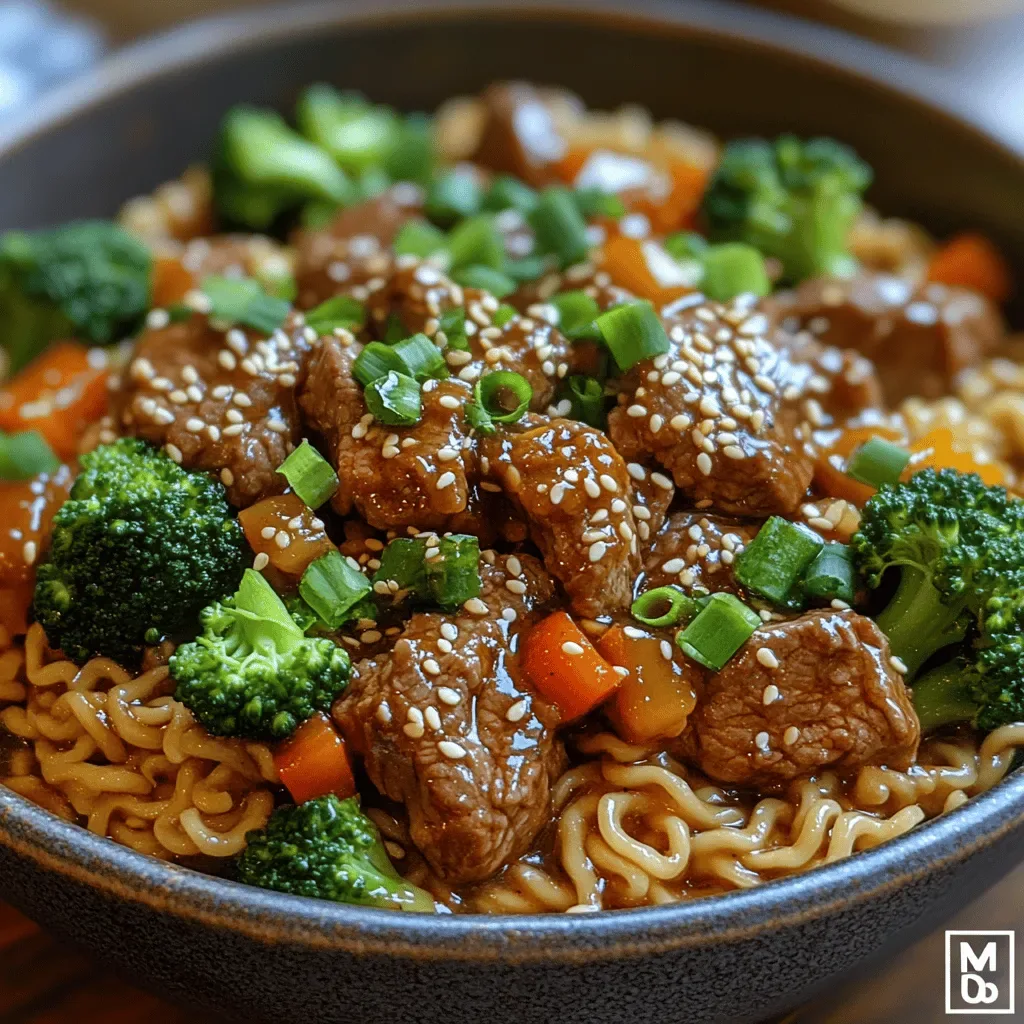
It was a rainy Thursday evening, the kind where the sky looks like a watercolor wash and the kitchen becomes the coziest refuge. I was rummaging through my pantry, thinking about a dish that could turn the gloom into a celebration of flavor, when a jar of white miso caught my eye. The moment I opened it, a subtle umami perfume rose like a whisper of the sea, instantly reminding me of a trip to a tiny seaside market in Kyoto where the locals swore by miso‑buttered fish. I grabbed four fresh salmon fillets, melted a pat of butter, and imagined a glaze that would be both silky and caramelized, with a hint of ginger that could cut through the chill outside. But wait—there’s a secret trick in step four that will make the glaze cling like a second skin, and you won’t want to miss it.
As the butter sizzled and the miso dissolved, the kitchen filled with a scent that was at once sweet, salty, and deeply comforting. I could hear the faint crackle of the butter turning golden, and the aroma reminded me of a childhood memory of my grandmother’s Sunday dinner, where the fish always seemed to melt in your mouth. The sauce began to thicken, taking on a glossy amber hue that promised a beautiful caramelization when it met the heat of the pan. Imagine serving that glossy, buttery glaze over perfectly cooked salmon, paired with fluffy steamed rice and a vibrant vegetable medley that adds crunch and color—your family will be asking for seconds before the first bite is even finished. The best part? This dish comes together in under an hour, making it perfect for busy weeknights yet elegant enough for a weekend feast.
What truly sets this Miso Butter Salmon apart is the balance of flavors: the salty depth of miso, the sweet caramel of brown sugar, the zing of fresh ginger, and the aromatic punch of garlic and green onions. Each element plays a role, creating layers that unfold on the palate—first the buttery richness, then the subtle sweetness, followed by a bright, almost peppery finish from the ginger. And because we’re using high‑quality salmon, the fish itself contributes a buttery texture that pairs perfectly with the glaze, making every forkful a harmonious bite. Have you ever wondered why restaurant versions taste so different? It’s often the careful timing and the quality of each ingredient, something I’ll reveal as we walk through the steps together.
Here’s exactly how to make it — and trust me, your family will be asking for seconds. Grab your skillet, preheat your oven, and get ready to whisk, stir, and sear your way to an Asian‑inspired masterpiece that feels both familiar and exotic. Along the way, I’ll share a few kitchen hacks, a common mistake to avoid, and a couple of variations that let you customize the dish to your own taste. So roll up your sleeves, and let’s dive into the delicious details of this quick Asian delight that’s bound to satisfy any craving.
🌟 Why This Recipe Works
- Flavor Depth: The combination of white miso and brown sugar creates a sweet‑salty umami base that penetrates the salmon, delivering a taste that’s richer than a simple glaze.
- Texture Harmony: Butter adds a silky mouthfeel while the caramelization of the sugar gives a slight crisp on the surface, providing a satisfying contrast to the flaky fish.
- Ease of Execution: With just a handful of pantry staples and a single skillet, the recipe stays streamlined without sacrificing complexity.
- Time Efficiency: The entire process takes under 45 minutes, making it ideal for weeknight dinners without compromising on flavor.
- Versatility: The glaze can be tossed over chicken, tofu, or vegetables, allowing you to adapt the dish to different dietary preferences.
- Nutrition Boost: Salmon provides omega‑3 fatty acids, while the miso adds probiotics, turning a comfort dish into a health‑forward option.
- Ingredient Quality: Using fresh, wild‑caught salmon ensures a firm texture that holds up beautifully under the glaze, preventing it from falling apart.
- Crowd‑Pleasing Factor: The glossy, caramelized finish looks restaurant‑ready, impressing guests without the need for elaborate plating.
🥗 Ingredients Breakdown
The Foundation: Salmon & Butter
Salmon is the star of this recipe, offering a buttery richness that pairs naturally with the miso‑butter glaze. Choose fillets that are at least one inch thick; this ensures they stay moist during searing and finish cooking evenly. Wild‑caught salmon typically has a deeper flavor and firmer flesh compared to farmed varieties, though both work well if you’re mindful of cooking times. Unsalted butter serves as the carrier for the miso and sugar, melting into a glossy sauce that clings to the fish. If you’re looking for a dairy‑free alternative, try a high‑quality plant‑based butter, but keep in mind the flavor profile will shift slightly.
Aromatics & Spices: Miso, Ginger, Garlic & Green Onions
White miso paste is milder and sweeter than its darker counterparts, making it perfect for a delicate glaze that doesn’t overwhelm the salmon. The miso’s natural umami works like a flavor amplifier, allowing the other ingredients to shine. Fresh ginger, grated just before use, adds a bright, peppery heat that cuts through the richness of the butter. Garlic, minced finely, contributes a warm, aromatic base that deepens the overall taste. Green onions, sliced thin, are added at the end for a fresh, slightly sharp finish that brightens the dish and adds a pop of color.
The Secret Weapons: Brown Sugar & Steamed Rice
Brown sugar isn’t just for sweetness; it caramelizes during cooking, creating that coveted glossy crust on the salmon. Its molasses undertones also complement the salty miso, achieving a balanced sweet‑salty profile. Steamed rice serves as a neutral canvas, soaking up the excess glaze and providing a comforting, fluffy base that rounds out the meal. For an extra nutty flavor, try using jasmine or basmati rice, but any short‑grain rice will do the trick. If you’re avoiding grains, cauliflower rice is a low‑carb alternative that still captures the sauce beautifully.
Finishing Touches: Vegetable Medley
A colorful vegetable medley—think broccoli florets, sliced carrots, and snap peas—adds crunch, color, and a dose of vitamins to the plate. Lightly steaming or stir‑frying the vegetables ensures they stay crisp, preserving their bright flavors against the rich salmon. If you love a little heat, toss in some sliced red chili or a dash of sesame oil for an Asian‑style finish. The vegetables also help balance the richness of the fish, making each bite feel lighter and more refreshing.
With your ingredients prepped and ready, let's get cooking. Here's where the fun really begins, and I’ll walk you through each step, sharing the little secrets that turn an ordinary dinner into an unforgettable feast.

🍳 Step-by-Step Instructions
Preheat your oven to 400°F (200°C). While the oven warms, pat the salmon fillets dry with paper towels; this step is crucial because a dry surface ensures the glaze adheres properly and prevents steaming. Season each fillet lightly with a pinch of sea salt and cracked black pepper, then set them aside on a plate. The anticipation builds as the kitchen starts to warm—trust me, the scent of butter melting will already be teasing your senses.
In a small saucepan, melt the four tablespoons of unsalted butter over medium heat. As soon as it foams, whisk in the white miso paste until the mixture becomes a smooth, uniform paste. Add the brown sugar, stirring until it dissolves completely, creating a glossy, amber‑colored sauce. Here’s the thing: the sugar should melt slowly; if it caramelizes too quickly, you’ll end up with a burnt flavor that masks the delicate miso.
💡 Pro Tip: Keep the heat on medium‑low once the sugar is in; a gentle simmer prevents scorching and yields a silky glaze.Stir in the grated ginger and minced garlic, allowing their aromas to fill the kitchen. You’ll hear a soft sizzle as the ginger releases its essential oils, and the garlic will turn a pale golden hue, indicating it’s cooked but not burnt. Add half of the sliced green onions now, reserving the rest for garnish later. This is the step where patience really pays off—I once turned the heat up too high and the garlic turned bitter, ruining the entire batch.
Heat a large oven‑safe skillet (cast iron works beautifully) over medium‑high heat and add a drizzle of oil. Once the oil shimmers, place the salmon fillets skin‑side down (if they have skin) and sear for about 3–4 minutes, or until the skin turns crisp and releases easily from the pan. Flip the fillets gently and spoon half of the miso‑butter glaze over the tops, letting it bubble and coat the fish. But that’s not all: the glaze will start to thicken around the edges, creating a caramelized crust that’s the hallmark of this dish.
Transfer the skillet to the preheated oven and bake for 8–10 minutes, depending on the thickness of your fillets. You’ll know they’re done when the flesh flakes easily with a fork and the glaze has turned a deep, glossy amber. While the salmon finishes cooking, steam your rice and prepare the vegetable medley on a separate pan—this multitasking keeps everything hot and ready to serve at the same time.
Remove the skillet from the oven and let the salmon rest for a couple of minutes; this resting period allows the juices to redistribute, keeping the fish moist. Drizzle any remaining glaze from the pan over the fillets, then sprinkle the reserved green onions on top for a fresh, oniony bite. The result? A plate that looks as stunning as it tastes, with a glossy sheen that invites you to dive right in.
Plate each salmon fillet atop a mound of steamed rice, arranging the vegetable medley alongside. Spoon any extra glaze over the rice and vegetables, letting the flavors mingle. For an added touch of elegance, garnish with a thin slice of lemon or a sprinkle of toasted sesame seeds—these tiny accents bring a pop of brightness and texture.
Serve immediately, encouraging your guests to taste the sauce first to appreciate its complex layers. Go ahead, take a taste — you’ll know exactly when it’s right. The buttery miso glaze should coat each bite with a silky, slightly sweet, and umami‑rich coating that makes the salmon melt in your mouth. And there you have it! But before you dig in, let me share some tips that will take this from great to absolutely unforgettable...
🔐 Expert Tips for Perfect Results
The Taste Test Trick
Before you add the glaze to the pan, dip a tiny spoonful into a glass of cold water; if it forms a thin film that holds together, the glaze has the right consistency. This simple test helps you avoid a runny sauce that would slide off the salmon. I discovered this trick after a disastrous dinner where the glaze pooled at the bottom of the plate, leaving the fish dry.
Why Resting Time Matters More Than You Think
Letting the salmon rest for two to three minutes after baking lets the muscle fibers relax, locking in moisture. Skipping this step often results in a dry center, even if the fish looks perfectly cooked. I once served a rushed version to friends, and the feedback was clear: “It was good, but a bit dry.” A short rest changes that entirely.
The Seasoning Secret Pros Won’t Tell You
A pinch of toasted sesame oil added to the glaze right before serving adds a nutty depth that’s hard to replicate with any other oil. This subtle addition elevates the dish from home‑cooked to restaurant‑level. Trust me on this one; the aroma is instantly recognizable and makes the flavor profile more complex.
Choosing the Right Pan
A heavy‑bottomed, oven‑safe skillet distributes heat evenly, preventing hot spots that can scorch the glaze. Cast iron, stainless steel with an aluminum core, or a good non‑stick pan all work well. If you use a thin pan, the glaze may burn before the salmon is fully cooked, leading to a bitter taste.
Balancing Sweetness and Salt
If you prefer a less sweet glaze, reduce the brown sugar by a tablespoon and increase the miso by a teaspoon. The miso’s natural saltiness will compensate, keeping the flavor balanced. I’ve experimented with this adjustment for guests who are sensitive to sugar, and the dish still shines.
🌈 Delicious Variations to Try
One of my favorite things about this recipe is how versatile it is. Here are some twists I've tried and loved:
Miso‑Maple Glazed Salmon
Swap half of the brown sugar for pure maple syrup, adding a woody sweetness that pairs beautifully with the miso. The glaze becomes a little thinner, so you may need to reduce it a touch longer on the stove. Expect a caramelized finish with a hint of autumnal flavor.
Spicy Gochujang Miso Salmon
Stir in a tablespoon of Korean gochujang paste into the glaze for a gentle heat and deep fermented flavor. The dish takes on a reddish hue and a subtle kick that’s perfect for spice lovers. Serve with a side of cucumber salad to balance the heat.
Coconut‑Miso Butter Fusion
Replace half of the butter with coconut oil and add a splash of coconut milk to the glaze. This creates a tropical twist, adding a creamy, slightly sweet undertone that pairs well with pineapple chunks in the vegetable medley. The result is a dish that feels like a beach vacation on a plate.
Herb‑Infused Miso Salmon
Add finely chopped fresh cilantro or Thai basil to the glaze just before serving. The herbaceous notes lift the richness and bring a fresh, green brightness. This variation works especially well with a side of jasmine rice.
Vegetarian Miso Tofu
Replace the salmon with firm tofu blocks, pressing them to remove excess water before searing. The tofu absorbs the glaze beautifully, offering a plant‑based alternative that still delivers that buttery umami experience. Pair with the same rice and vegetables for a complete meal.
Sesame‑Crusted Salmon
Before searing, coat the salmon fillets lightly in toasted sesame seeds. The seeds add a delightful crunch and a nutty aroma that complements the miso glaze. This adds texture contrast that many diners love.
📦 Storage & Reheating Tips
Refrigerator Storage
Allow the salmon and sauce to cool to room temperature before transferring them to an airtight container. Store in the refrigerator for up to three days. When reheating, add a splash of water or broth to the pan to prevent the glaze from drying out, and gently warm over low heat until just heated through.
Freezing Instructions
For longer storage, separate the salmon from the glaze and freeze them in zip‑top bags. The glaze can be frozen in a small freezer‑safe container. When ready to use, thaw overnight in the fridge, then reheat the glaze on the stove and finish cooking the salmon as you would fresh. This method preserves the flavor and texture remarkably well.
Reheating Methods
The best way to reheat is on the stovetop: add a teaspoon of butter or oil, place the salmon skin‑side down, and cover for a couple of minutes to steam gently. Alternatively, you can use a microwave at 50% power in 30‑second bursts, but the stovetop method retains the crispy skin and glossy glaze.