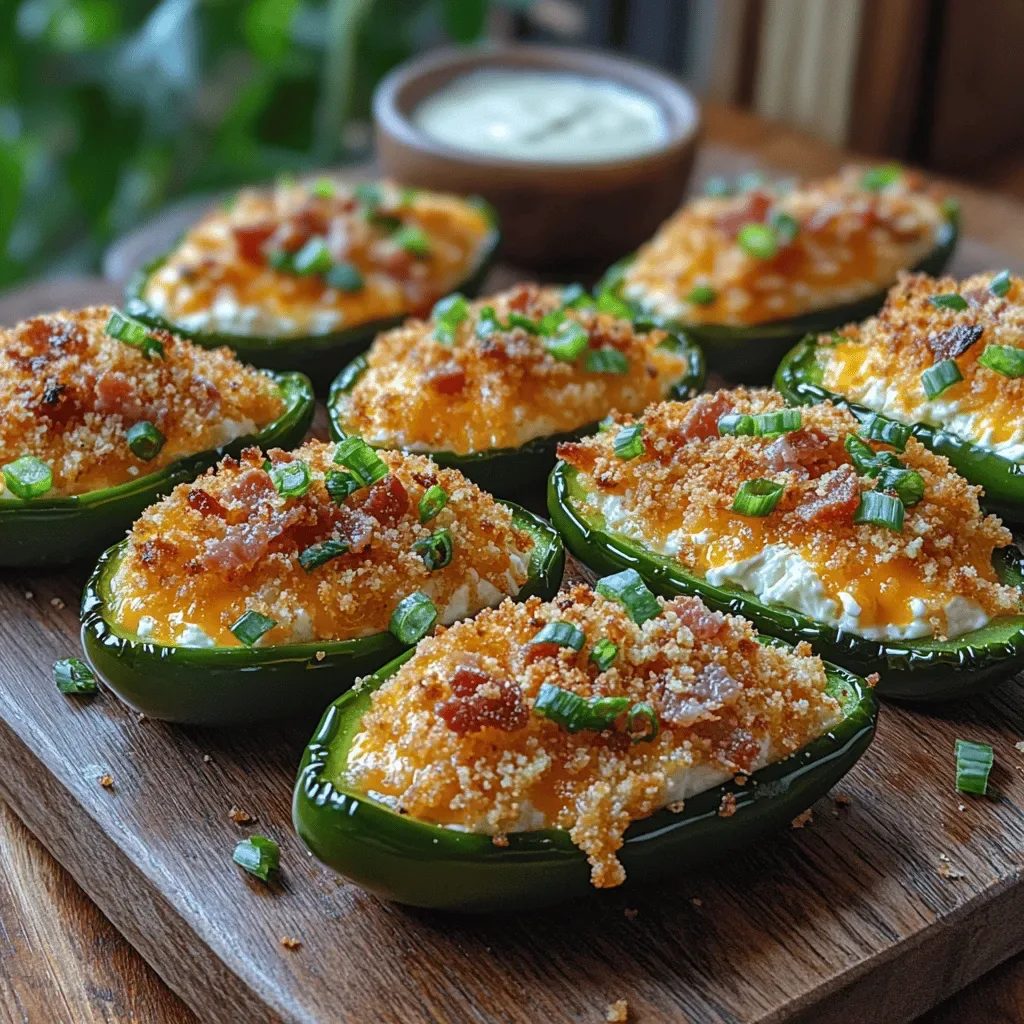
It was a crisp spring afternoon when I first discovered the magic of deviled eggs. I was standing at my grandmother’s kitchen table, the sunlight spilling through the lace curtains, and the scent of fresh herbs mingling with the faint aroma of boiled potatoes. As she cracked open the first egg, a tiny cloud of steam rose, carrying the promise of something buttery, tangy, and utterly comforting. The moment I tasted that first bite—silky yolk mixed with a whisper of mustard and a dash of paprika—my taste buds sang, and I knew I had stumbled upon a family staple that would travel with me to every holiday, brunch, and casual gathering.
What makes deviled eggs so special isn’t just their simplicity; it’s the way each element plays off the other, creating a harmonious bite that feels both nostalgic and excitingly fresh. The creamy yolk filling is balanced by the subtle bite of vinegar, while the peppery heat of mustard awakens the palate without overwhelming it. And let’s not forget the visual appeal: a glossy, golden yolk center nestled in a pristine white egg white, dusted with a bright pop of paprika that looks as good as it tastes. Imagine serving a platter of these glossy beauties at your next brunch—your guests will be drawn in by the color, the aroma, and the sheer anticipation of that first forkful.
But there’s more to this recipe than meets the eye. I’ve spent years tweaking the ratios, testing different mustards, and even experimenting with secret ingredients that elevate the flavor to a whole new level. In the next sections, I’ll reveal the exact techniques that make my deviled eggs stand out from the crowd, from the precise way I boil the eggs to the moment I fold in the final pinch of smoked paprika. Trust me, you’ll want to keep reading because there’s a hidden trick in step four that will change the way you think about this classic appetizer forever.
Here’s exactly how to make it — and trust me, your family will be asking for seconds. Grab a bowl, a whisk, and a sense of adventure, and let’s dive into a recipe that’s as comforting as a warm hug and as thrilling as discovering a new favorite song. Ready? Let’s get cracking!
🌟 Why This Recipe Works
- Flavor Depth: The combination of mayonnaise, Dijon mustard, and a splash of white vinegar creates a layered taste that’s tangy, creamy, and slightly sharp, ensuring each bite is complex yet balanced. This depth is what separates a good deviled egg from a great one.
- Texture Harmony: By mashing the yolks just enough to keep a few tiny crumbs, you retain a pleasant, slightly grainy texture that contrasts beautifully with the silky mayonnaise, giving the filling a luxurious mouthfeel.
- Ease of Preparation: The recipe requires only a handful of pantry staples and a simple stovetop technique, making it perfect for both novice cooks and seasoned chefs who need a quick, reliable appetizer.
- Time Efficiency: With a total time of under an hour, you can have a stunning platter ready before most guests even arrive, leaving you more time to enjoy the party.
- Versatility: The base filling is a blank canvas that welcomes countless variations—think avocado, sriracha, or crispy bacon—so you can tailor the flavor profile to any occasion.
- Nutrition Boost: Eggs provide high‑quality protein and essential vitamins, while the modest amount of mayo keeps the dish indulgent without overloading on calories.
- Ingredient Quality: Using farm‑fresh eggs and real Dijon mustard makes a noticeable difference; the freshness shines through in every bite.
- Crowd‑Pleasing Factor: Their bite‑size nature and bright appearance make deviled eggs an instant crowd‑pleaser, perfect for potlucks, picnics, or elegant dinner parties.
🥗 Ingredients Breakdown
The Foundation: Eggs & Their Secret
The star of the show is, of course, the egg. I always reach for large, free‑range eggs because their whites are firmer and the yolks are richer in color and flavor. Fresh eggs also have a tighter membrane, which makes them easier to peel after boiling. If you can, choose eggs that are no more than a week old; they’ll give you that perfect, glossy finish. For a subtle twist, you can add a pinch of baking soda to the boiling water, which raises the pH and helps the shells slip off effortlessly.
Aromatics & Spices: The Flavor Builders
Mayonnaise provides the silky base, while Dijon mustard adds a gentle heat and a hint of earthiness that cuts through the richness. White wine vinegar introduces a bright acidity that lifts the entire filling, preventing it from feeling heavy. A dash of smoked paprika not only adds a smoky aroma but also gives the finished egg a beautiful, inviting color. Freshly ground black pepper adds a final pop of spice, and a pinch of sea salt enhances every other flavor.
The Secret Weapons: Little Extras That Wow
A spoonful of sweet pickle relish or finely diced cornichons introduces a crunchy texture and a sweet‑sour note that many people overlook. If you’re feeling adventurous, a splash of hot sauce or a pinch of cayenne can give the filling a gentle kick. Finally, a drizzle of extra‑virgin olive oil just before serving adds a luxurious sheen and a hint of fruitiness.
Finishing Touches: Garnishes & Presentation
A light dusting of paprika is classic, but you can also experiment with microgreens, chives, or crumbled bacon for added visual flair. The garnish not only adds color contrast but also contributes subtle flavor layers. Remember, the garnish should be applied just before serving to keep it fresh and vibrant. The result is a dish that looks as polished as it tastes, inviting guests to dive right in.
With your ingredients prepped and ready, let's get cooking. Here's where the fun really begins...

🍳 Step-by-Step Instructions
Start by placing your eggs in a single layer in a saucepan and covering them with cold water, ensuring the water rises about an inch above the eggs. Bring the water to a rolling boil over medium‑high heat; you’ll hear a gentle rumble that signals the start of the cooking process. Once boiling, turn off the heat, cover the pot, and let the eggs sit for exactly 10 minutes—this gentle residual heat cooks the yolks perfectly without turning them rubbery. After the time is up, immediately transfer the eggs to a bowl of ice water to halt cooking and make peeling a breeze. The shells will crack cleanly, revealing smooth, bright whites ready for the next step.
While the eggs chill, gather your filling ingredients: mayonnaise, Dijon mustard, white wine vinegar, a pinch of salt, and freshly ground black pepper. In a medium bowl, whisk together the mayo and mustard until they form a glossy, pale yellow mixture—this is the base that will coat the yolk crumbs later. Add the vinegar drop by drop, tasting as you go; the right amount will give the filling a subtle tang without overpowering the creamy texture. Once combined, set the bowl aside, and let the flavors meld while you finish peeling the eggs.
Now, slice each cooled egg in half lengthwise, being careful to keep the whites intact. Using a small spoon, gently scoop out the yolks and place them in a separate bowl; try to keep the yolk pieces as large as possible at this stage. The whites will serve as delicate boats for the filling, so handle them with a light touch. Once all yolks are removed, give the whites a quick rinse under cold water to remove any stray bits, then pat them dry with a paper towel.
Mash the yolks with a fork until they’re crumbly but not powdery—aim for a texture that still has tiny flecks for added mouthfeel. Add the prepared mayo‑mustard mixture to the yolks, and fold gently until the filling is smooth, glossy, and just a shade lighter than the yolk itself. Here’s where the magic happens: the moment you see the mixture become velvety, you’ll know you’ve hit the perfect consistency. If the filling feels too thick, stir in a teaspoon of warm water; if it’s too runny, add a touch more mayo.
Spoon the filling back into the egg white halves, using a small piping bag or a zip‑top bag with the corner snipped off for a neat, professional look. Fill each cavity just to the brim, then gently smooth the tops with the back of a spoon. The visual cue you’re looking for is a slight mound that tapers off at the edges, creating a natural “nest” for the final garnish.
Sprinkle a light dusting of smoked paprika over each egg; the deep orange hue adds visual contrast and a whisper of smoky flavor. If you love a little crunch, add a few finely chopped chives or a sprinkle of crispy bacon bits on top. The final touch is a drizzle of high‑quality olive oil, which adds a glossy sheen and a subtle fruitiness that ties the whole dish together.
Arrange the deviled eggs on a chilled serving platter, spacing them evenly so each bite looks intentional. Cover the platter loosely with plastic wrap and let the flavors meld in the refrigerator for at least 30 minutes before serving. This resting period allows the seasoning to penetrate the yolk, resulting in a richer taste that’s more harmonious than a freshly assembled egg.
And there you have it! But before you dig in, let me share some tips that will take this from great to absolutely unforgettable…
🔐 Expert Tips for Perfect Results
The Taste Test Trick
Before you pipe the filling into the whites, scoop a tiny spoonful onto the back of your hand and give it a quick taste. This “hand‑taste” method lets you adjust seasoning on the fly, ensuring the balance of salt, acidity, and heat is just right. I’ve found that a pinch more salt at this stage can make the difference between good and unforgettable. Trust me, your palate will thank you.
Why Resting Time Matters More Than You Think
Allowing the assembled eggs to chill for at least 30 minutes does more than just keep them cool—it lets the flavors marry and the texture set. The mayonnaise firms up slightly, giving the filling a more stable bite, while the paprika settles into the surface, creating a subtle, smoky perfume. I once served deviled eggs straight out of the fridge and noticed they felt a bit flat; after letting them rest, the flavor exploded.
The Seasoning Secret Pros Won’t Tell You
Professional chefs often add a dash of smoked sea salt instead of regular table salt. The smoked salt adds an extra layer of complexity that pairs beautifully with the paprika. If you don’t have smoked salt, a pinch of smoked paprika in the filling works wonders. This tiny adjustment elevates the dish from home‑cooked to restaurant‑level.
The Perfect Egg Boil Method
Start with cold water, bring to a boil, then turn off the heat and let the eggs sit. This method prevents the green ring that sometimes forms around the yolk and ensures the whites stay tender. I’ve used this technique for years, and the result is consistently smooth, flawless whites every single time.
Creative Garnish Ideas
Beyond paprika, consider topping each egg with a tiny slice of pickled radish, a drizzle of truffle oil, or a sprinkle of toasted sesame seeds for an Asian twist. These garnish ideas not only add visual flair but also introduce new flavor dimensions that keep guests guessing. The best part? They’re easy to assemble and look incredibly sophisticated.
🌈 Delicious Variations to Try
One of my favorite things about this recipe is how versatile it is. Here are some twists I've tried and loved:
Avocado‑Lime Dream
Swap half of the mayonnaise for ripe avocado puree and add a splash of fresh lime juice. The result is a buttery, green‑tinted filling with a citrusy zing that feels both fresh and indulgent. It’s perfect for summer picnics.
Spicy Sriracha Kick
Stir in a teaspoon of sriracha sauce and a pinch of cayenne pepper into the yolk mixture. This adds a bold heat that pairs beautifully with the cool egg whites, making the dish a hit at game‑day gatherings.
Bacon‑Maple Bliss
Crumble crisp bacon into the filling and drizzle a tiny amount of maple syrup over the top before serving. The sweet‑savory combination creates a delightful contrast that feels like a breakfast‑brunch hybrid.
Herb‑Infused Delight
Finely chop fresh dill, tarragon, and chives, then fold them into the yolk mixture. The herbs add a bright, garden‑fresh aroma that lifts the entire dish, making it ideal for spring gatherings.
Mediterranean Twist
Add a teaspoon of sun‑dried tomato pesto and a sprinkle of crumbled feta on top. The tangy pesto and salty feta bring a Mediterranean flair that pairs well with a glass of crisp white wine.
Curried Coconut Fusion
Mix in a pinch of curry powder, a splash of coconut milk, and a few toasted coconut flakes for garnish. This exotic version offers a warm, aromatic profile perfect for cooler evenings.
📦 Storage & Reheating Tips
Refrigerator Storage
Place the assembled deviled eggs in an airtight container, cover loosely with plastic wrap, and store them in the refrigerator for up to 2 days. To keep the tops from drying out, place a damp paper towel over the surface before sealing. This method preserves the creamy texture and vibrant color of the paprika garnish.
Freezing Instructions
If you need to make them ahead, freeze the egg whites and the filling separately. Wrap the whites in a single layer of cling film, then place them in a freezer‑safe bag. The filling can be stored in a sealed container for up to 1 month. When ready to serve, thaw the whites in the fridge overnight and gently re‑mix the filling before piping.
Reheating Methods
Deviled eggs are best served cold, but if you prefer a warm bite, place the filled eggs on a baking sheet and warm them in a 300°F (150°C) oven for 5‑7 minutes. The trick to reheating without drying them out? Add a splash of water to the pan and cover loosely with foil, creating a gentle steam that keeps the filling moist.