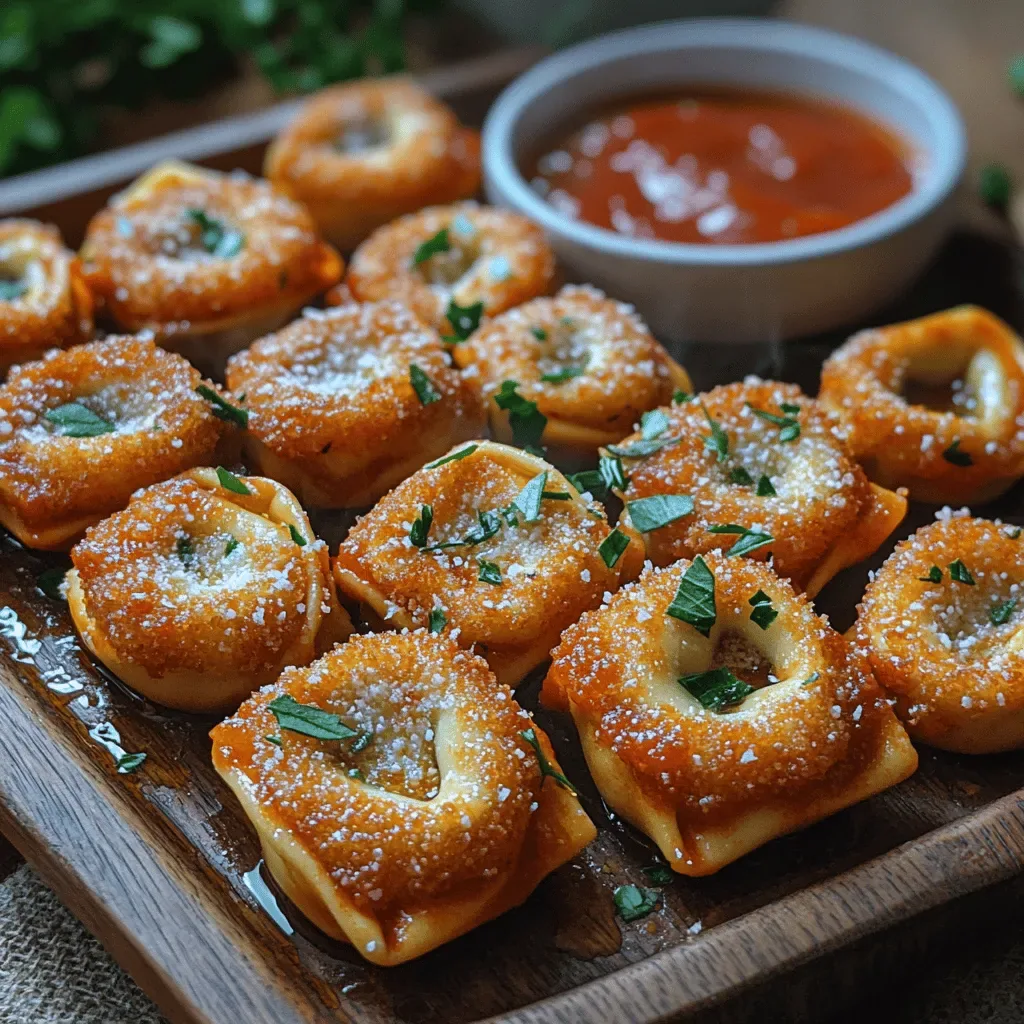
It was a crisp autumn evening, the kind where the air feels like a gentle hug and the kitchen smells like a promise of comfort. I remember standing at the stove, the soft glow of the oven light dancing on the countertops, while my teenage son tugged at my sleeve, eyes wide with anticipation for the dinner that would end our busy week. The moment I lifted the lid of the pan, a cloud of fragrant steam rose, carrying with it the nutty aroma of melted Parmesan and the bright zing of lemon—a scent so inviting that even the cat paused its curiosity at the doorway. That night, the simple act of coating salmon in a golden crust turned an ordinary weekday into a celebration, and the look on my family's faces when the first bite hit their tongues was pure, unfiltered joy. But wait, there’s a secret technique I discovered that takes this dish from delicious to unforgettable, and I’ll reveal it in step four of the instructions.
Why do we gravitate toward dishes that combine crisp textures with buttery richness? The answer lies in the symphony of contrasts that dance across our palate, and this Crispy Parmesan Crusted Salmon hits every high note. The flaky, tender fish provides a buttery canvas, while the crunchy Parmesan‑breadcrumb coating adds a satisfying crunch that sings with each bite. Imagine the sound of the crust cracking under your fork, followed by the melt‑in‑your‑mouth silkiness of the salmon—it's a sensory experience that feels both elegant and down‑to‑earth, perfect for a cozy night in or an impressive dinner party. And the best part? The recipe is so straightforward that even a kitchen novice can pull it off without breaking a sweat, yet it feels like something you'd only find on a restaurant menu. Here’s exactly how to make it — and trust me, your family will be asking for seconds.
Before we dive into the step‑by‑step, let me set the scene for you: picture a plate where the salmon glistens with a buttery sheen, its crust a deep golden amber that catches the light, and a wedge of lemon perched like a tiny sunburst waiting to be squeezed. The bright citrus will cut through the richness, while the parsley adds a fresh, herbaceous finish that balances everything out. As you serve this dish, you’ll notice the aromas wafting across the table, coaxing everyone to lean in and take that first bite. It’s the kind of meal that makes you feel like you’ve mastered a culinary trick, and the confidence boost that comes with it is priceless. So, roll up your sleeves, preheat that oven, and let’s embark on this flavorful adventure together.
🌟 Why This Recipe Works
- Flavor Depth: The combination of Parmesan, garlic, and lemon creates layers of savory, tangy, and aromatic notes that deepen the natural richness of the salmon. Each bite delivers a burst of umami from the cheese, a subtle heat from the paprika, and a bright finish from the lemon juice, making the palate feel alive.
- Texture Contrast: The crunchy crust juxtaposed with the buttery flesh creates a mouthfeel that’s both satisfying and luxurious. This contrast keeps the eating experience exciting from the first forkful to the last, ensuring no bite feels flat.
- Ease of Execution: With just a handful of pantry staples and a short prep time, this recipe fits perfectly into a busy weeknight schedule. You won’t need fancy equipment—just a skillet, a baking sheet, and a few simple tools.
- Time Efficiency: From start to finish, you’re looking at under an hour, making it ideal for those evenings when you want a gourmet feel without the marathon cooking session. The quick sear locks in moisture, while the oven finish ensures even cooking.
- Versatility: This dish pairs beautifully with a wide range of sides, from creamy risotto to crisp roasted vegetables, allowing you to customize the meal to suit any occasion or dietary preference.
- Nutrition Boost: Salmon is a powerhouse of omega‑3 fatty acids, and the modest use of olive oil and fresh herbs adds heart‑healthy fats and antioxidants, making the meal both indulgent and nourishing.
- Ingredient Quality: By using fresh, high‑quality salmon and real Parmesan, you elevate the dish from ordinary to restaurant‑level without spending a fortune on exotic ingredients.
- Crowd‑Pleasing Factor: The familiar flavors of cheese and lemon are universally loved, meaning even picky eaters will be drawn in by the golden crust and bright aroma.
🥗 Ingredients Breakdown
The Foundation
The star of our dish, salmon fillets, bring a buttery richness and a firm yet flaky texture that holds up beautifully under a crunchy coating. Choose wild‑caught salmon if possible, as it tends to have a deeper flavor profile and a firmer flesh compared to farmed varieties. Look for fillets that are about 1‑inch thick; this thickness ensures they cook evenly while still staying moist inside. If you can, keep the skin on during the sear—it protects the flesh from overcooking and adds a subtle crispiness when removed later. Remember, the fresher the fish, the brighter the flavor, so a quick trip to the fish counter can make a world of difference.
Aromatics & Spices
Garlic and fresh parsley are the dynamic duo that bring depth and brightness to the crust. Mince the garlic finely so it distributes evenly, releasing its sweet, caramelized notes when it hits the hot pan. Fresh parsley, chopped just before use, injects a herbaceous lift that balances the richness of the cheese and the salmon. Paprika adds a gentle warmth and a hint of smoky color, making the crust visually appealing. Salt and black pepper are the essential seasoning backbone; they enhance all the other flavors without overwhelming the delicate fish.
The Secret Weapons
Parmesan cheese is the secret ingredient that turns a regular breadcrumb coating into a golden, nutty masterpiece. Its umami punch and ability to melt and crisp up under heat create that irresistible crunch we all crave. Breadcrumbs provide the structural base for the crust; using panko will give you an even lighter, airier texture, while traditional fine breadcrumbs create a denser coating. Olive oil acts as the binding agent, helping the cheese and breadcrumbs adhere while also contributing a fruity undertone that complements the lemon. Finally, a splash of lemon juice brightens the entire dish, cutting through the richness and adding a zing that awakens the palate.
Finishing Touches
A wedge of lemon isn’t just for garnish; it serves as a final burst of acidity that you can squeeze over the plated salmon to lift the flavors right before eating. The lemon’s aromatic oils also add a fragrant note that lingers in the dining room, making the experience even more inviting. A drizzle of extra‑virgin olive oil just before serving can add a silky sheen and a subtle richness that ties the whole plate together. And don’t forget the optional sprinkle of fresh parsley on top for a pop of color that makes the dish look as good as it tastes. With your ingredients prepped and ready, let's get cooking. Here's where the fun really begins...

🍳 Step-by-Step Instructions
Preheat your oven to 400°F (200°C) while you gather all your ingredients. This temperature is the sweet spot for achieving a golden crust without overcooking the delicate salmon flesh. As the oven warms, the kitchen fills with a faint, comforting heat that hints at the transformation about to happen. While you wait, pat the salmon fillets dry with paper towels; removing excess moisture is crucial for that crisp finish. Trust me, a dry surface is the secret to a crust that truly snaps.
In a shallow dish, combine the grated Parmesan, breadcrumbs, paprika, and a pinch of salt and pepper. Stir the mixture with a fork until everything is evenly distributed, allowing the cheese to coat the crumbs with its golden hue. This blend is where the magic begins—each component contributes texture, flavor, and color. If you’re feeling adventurous, toss in a pinch of dried oregano for an earthy twist. The aroma of the dry mix alone is enough to make your mouth water.
Finely mince the garlic and finely chop the parsley, then add both to the breadcrumb mixture along with the lemon juice and olive oil. The olive oil acts as a binder, ensuring the coating adheres to the fish, while the lemon juice adds a bright tang that will later balance the richness of the cheese. Mix everything together until the crumbs are lightly moistened but not soggy—think of a texture similar to damp sand. This step is where the coating becomes a cohesive, flavorful blanket for the salmon.
Season each salmon fillet lightly with salt and black pepper on both sides, then gently press the Parmesan‑breadcrumb mixture onto the flesh, creating a uniform crust. Here’s the thing: the crust should be about a quarter‑inch thick; too thin and you’ll miss the crunch, too thick and it may burn before the salmon cooks through. Once coated, let the fillets rest for five minutes—this short rest allows the coating to set, preventing it from sliding off when you flip the fish. I once skipped this rest, and the crust fell apart mid‑pan; lesson learned! The result? A perfectly adhered crust that holds up during cooking.
Heat a large oven‑safe skillet over medium‑high heat and add a tablespoon of olive oil. When the oil shimmers, carefully place the salmon fillets crust‑side down. You’ll hear a satisfying sizzle as the crust meets the pan—listen for that sound, it means you’re getting that golden sear. Cook for about 3‑4 minutes, or until the edges turn a deep amber and the crust releases easily from the pan. Flip the fillets gently using a spatula, being careful not to break the crust; this is the moment where patience really pays off.
Transfer the skillet to the preheated oven and bake for 8‑10 minutes, or until the salmon reaches an internal temperature of 145°F (63°C) and flakes easily with a fork. As the fish bakes, the heat penetrates gently, allowing the interior to stay moist while the crust becomes irresistibly crisp. Keep an eye on the color; the crust should be a deep golden‑brown, not burnt. If you prefer a slightly more caramelized top, broil for the last 1‑2 minutes, but watch closely! The aroma that fills the kitchen at this stage is pure anticipation.
While the salmon finishes in the oven, slice the lemon wedges and give them a quick roll on the countertop to release their oils. This tiny extra step adds a burst of citrus aroma that elevates the final plating. Once the salmon is done, remove it from the oven and let it rest for a couple of minutes; this short pause allows the juices to redistribute, keeping the fish tender.
Plate each fillet on a warm serving dish, drizzle a little extra‑virgin olive oil around the edges, and garnish with fresh parsley and a lemon wedge. The final presentation should showcase the glossy, golden crust contrasted against the pink‑orange flesh, with a bright lemon wedge adding a pop of color. Serve immediately while the crust is still crackling, and watch as your guests’ eyes widen with delight. And the result? A restaurant‑quality dish that feels like a home‑cooked hug. But before you dig in, let me share some tips that will take this from great to absolutely unforgettable...
🔐 Expert Tips for Perfect Results
The Taste Test Trick
Before you commit to the full batch, fry a tiny spoonful of the crust mixture in a skillet. This mini‑taste test lets you gauge the seasoning balance; if it needs a pinch more salt or a dash of lemon, adjust now. I once discovered my crust was a shade too salty only after this quick test, and a tiny squeeze of lemon saved the day. The trick ensures every bite of the final dish is perfectly seasoned, eliminating any surprise after plating.
Why Resting Time Matters More Than You Think
Allowing the coated salmon to rest for five minutes before cooking is a game‑changer. During this pause, the breadcrumbs absorb a little moisture from the fish, which helps them adhere better and prevents them from falling off during the sear. I’ve seen seasoned chefs swear by this step, and after trying it myself, the crust stayed intact even after a vigorous flip. Skipping this can lead to a fragmented crust, which looks and tastes less polished.
The Seasoning Secret Pros Won’t Tell You
A pinch of smoked sea salt adds a subtle depth that regular table salt can’t match. The gentle smokiness pairs beautifully with the Parmesan and paprika, creating a layered flavor profile that feels sophisticated. I once swapped regular salt for smoked salt in a dinner party, and the guests kept asking what the “secret” was. It’s a tiny adjustment that makes a massive impact on the overall taste.
Oven Positioning for Even Browning
Place the skillet on the middle rack of the oven, not too close to the top heating element. This positioning ensures the heat circulates evenly, giving the crust a uniform golden color without scorching the top. If you notice the crust browning too quickly, move the pan down one rack and lower the temperature by 10‑15°F. Consistency in browning translates to a consistent crunch in every bite.
How to Keep the Crust Light and Airy
If you love an ultra‑light texture, try mixing half panko breadcrumbs with half fine breadcrumbs. The larger panko pieces create pockets of air, while the fine crumbs bind everything together. I experimented with this ratio for a brunch gathering, and the result was a crust that felt like a delicate cloud yet held its shape. It’s a simple tweak that elevates the mouthfeel dramatically.
Serving Pairings That Complement the Crunch
A creamy risotto or buttery mashed potatoes provide a mellow backdrop that lets the crispy salmon shine. Alternatively, a crisp arugula salad with a light vinaigrette adds a peppery contrast that cuts through the richness. I love pairing this with roasted asparagus tossed in lemon zest; the green veggies echo the citrus notes while adding a satisfying snap. Choose sides that balance, not compete, with the main star.
🌈 Delicious Variations to Try
One of my favorite things about this recipe is how versatile it is. Here are some twists I've tried and loved:
Herb‑Infused Crust
Add a tablespoon of finely chopped dill and a teaspoon of dried thyme to the breadcrumb mixture. The herbs introduce a fresh, garden‑like aroma that pairs beautifully with the lemon. This variation is perfect for spring gatherings when herbs are at their peak.
Spicy Kick
Incorporate a pinch of cayenne pepper and a drizzle of sriracha into the crust mixture for a subtle heat that tingles the tongue. The heat balances the richness of the salmon and adds an exciting dimension for those who love a little spice. Serve with a cooling cucumber raita to mellow the heat if desired.
Asian‑Inspired Glaze
After baking, brush the salmon with a mixture of soy sauce, honey, and a splash of rice vinegar. The glaze adds a sweet‑savory sheen that complements the Parmesan crust while introducing umami notes. Garnish with toasted sesame seeds and thinly sliced scallions for a finishing touch.
Mediterranean Twist
Swap the lemon juice for a tablespoon of pomegranate molasses and sprinkle crumbled feta over the finished dish. The tangy molasses adds a fruity depth, while the feta contributes a salty creaminess that mirrors the Parmesan. Serve with a side of quinoa tossed with olives and sun‑dried tomatoes for a full Mediterranean experience.
Nutty Crunch
Replace half of the breadcrumbs with finely chopped toasted almonds or pistachios. The nuts introduce an earthy crunch and a buttery flavor that pairs wonderfully with the fish. This variation works well for holiday meals where a richer, nutty profile feels especially festive.
📦 Storage & Reheating Tips
Refrigerator Storage
Allow the salmon to cool to room temperature before transferring it to an airtight container. Store in the refrigerator for up to three days; the crust will retain some crispness, but you may want to re‑crisp before serving. A quick pass under a hot broiler for 2‑3 minutes restores the golden crunch without overcooking the fish.
Freezing Instructions
If you need to keep it longer, freeze the cooked fillets in a single layer on a parchment‑lined tray, then transfer them to a zip‑top bag. They’ll keep for up to two months. To reheat, thaw overnight in the fridge, then bake at 350°F (175°C) for 10‑12 minutes, finishing under the broiler for a minute to revive the crust.
Reheating Methods
The trick to reheating without drying it out? A splash of chicken broth or a drizzle of olive oil placed over the fish before heating. This adds moisture, keeping the salmon tender while the oven or skillet revives the crisp exterior. Avoid microwaving, as it makes the crust soggy and the fish rubbery.