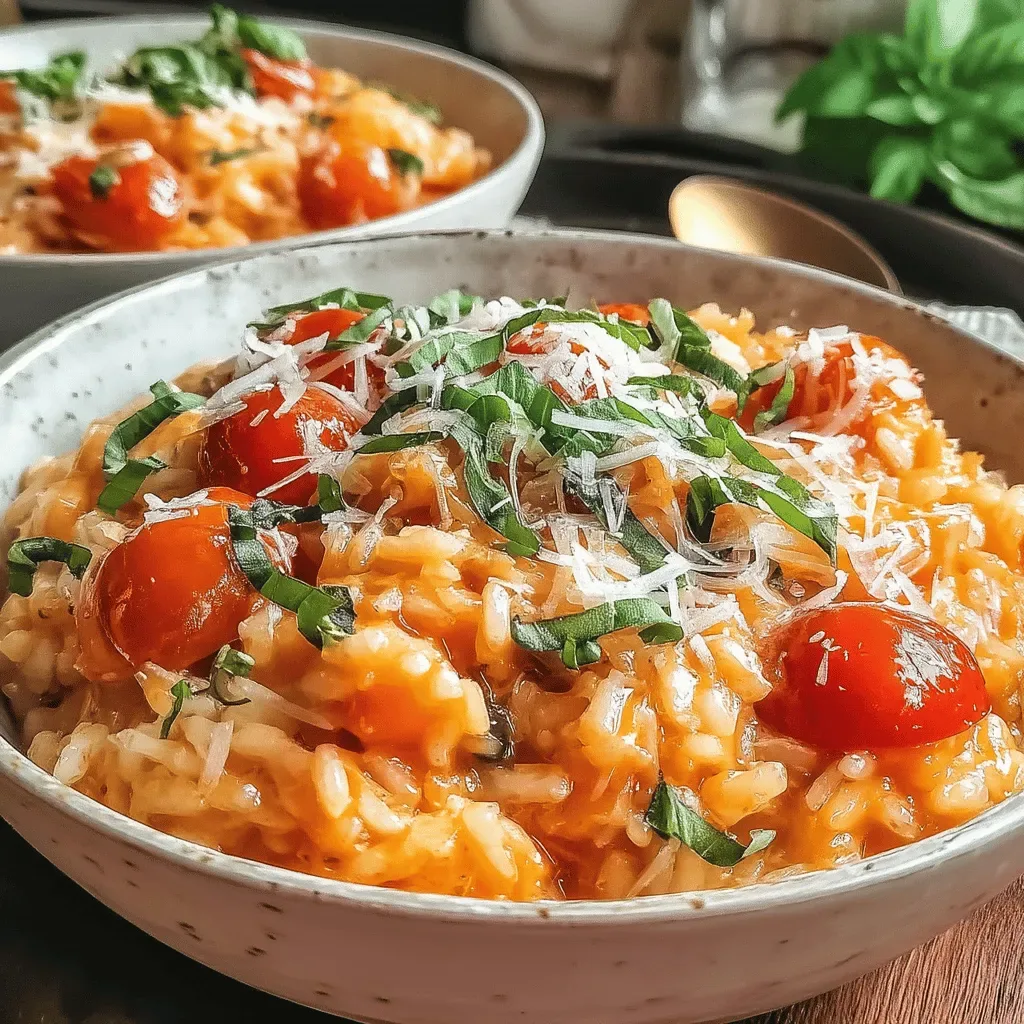
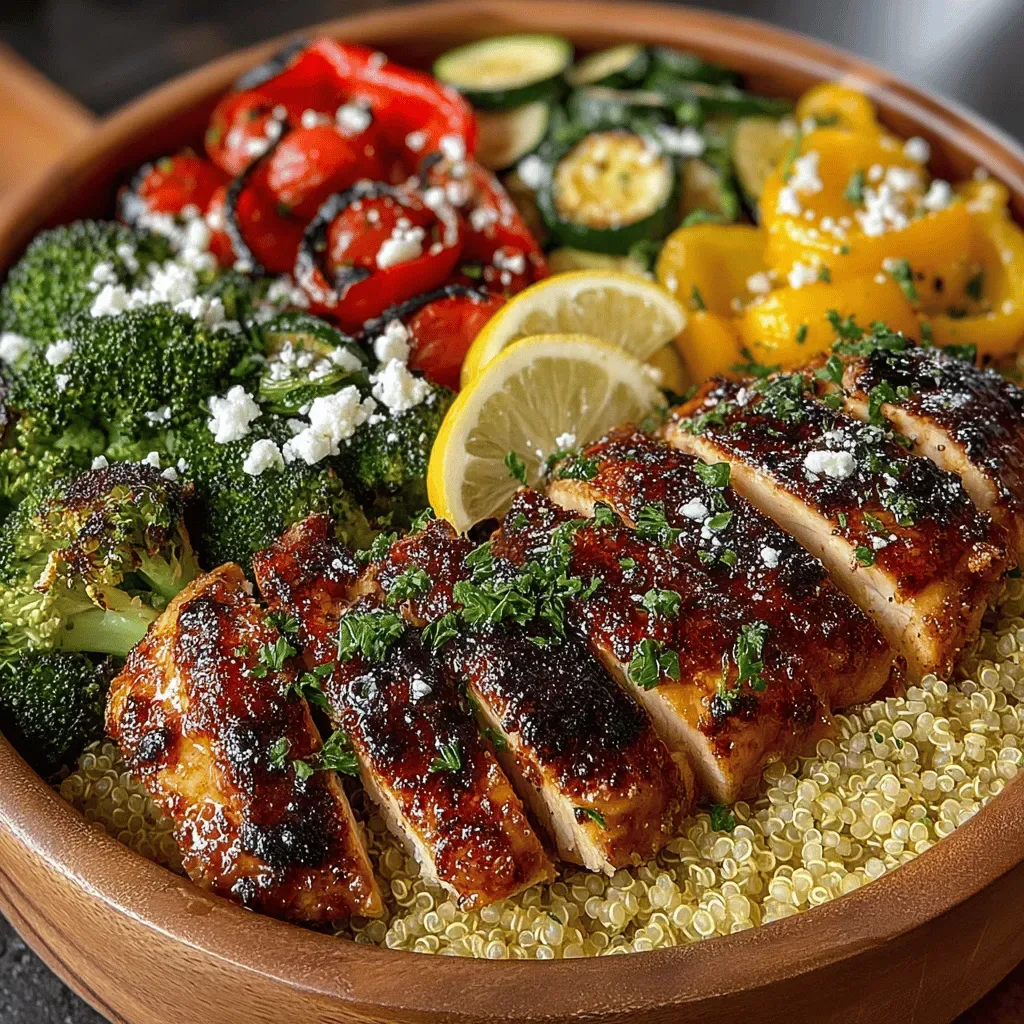
It was a breezy Saturday evening in late summer, the kind of night where the cicadas start their chorus just as the kitchen light flickers on. I was standing over a well‑worn wooden cutting board, the scent of fresh herbs already teasing my nostrils, when my teenage daughter asked, “What’s for dinner?” I could have tossed together a quick pasta, but instead I reached for the chicken thighs that had been marinating in olive oil, lemon zest, and a pinch of oregano all day. The moment I lifted the lid of the pan, a cloud of fragrant steam rose like a promise, carrying notes of garlic, sun‑dried tomatoes, and a whisper of the Mediterranean sea. That steam, thick with anticipation, reminded me of family gatherings on a sun‑kissed terrace in Greece, where every bite feels like a tiny vacation.
I’ve always believed that the best meals are the ones that tell a story, and this Creamy Mediterranean Chicken does exactly that. It marries the buttery richness of heavy cream with the briny pop of Kalamata olives, the tang of feta, and the bright zing of lemon—all while keeping the chicken moist and tender. Imagine the first forkful: the chicken is juicy, the sauce clings to it like a silky veil, and the herbs burst with freshness. The dish is comforting enough for a chilly weeknight, yet it feels exotic enough to impress guests at a weekend dinner party. That balance is what makes this recipe a true crowd‑pleaser.
But there’s more to this story than just flavors. While many Mediterranean chicken recipes rely on a handful of spices, I’ve layered the taste profile in a way that builds depth at every stage. From the caramelized onions that form the base, to the deglazing splash of white wine that lifts the fond, each step adds a new dimension. And if you think you’ve seen every twist on this classic, wait until you discover the secret ingredient I sprinkle in just before serving—something that turns an already amazing dish into an unforgettable experience.
Here’s the thing: cooking is as much about the journey as it is about the destination. As you read on, you’ll find tips that have saved my own dinner disasters, a few common pitfalls to avoid, and a handful of variations that let you tailor the dish to your family’s cravings. Ready to dive in? Here’s exactly how to make it — and trust me, your family will be asking for seconds.
🌟 Why This Recipe Works
- Flavor Depth: The combination of sautéed garlic, onions, and sun‑dried tomatoes creates a caramelized foundation that adds a sweet‑savory depth you won’t get from a simple broth. As the sauce simmers, those flavors meld with the cream, producing a luxurious mouthfeel.
- Texture Harmony: The chicken stays juicy because it’s first seared quickly at high heat, locking in juices, then gently finished in the sauce. Meanwhile, the addition of spinach and olives introduces a pleasant bite and contrast.
- Ease of Execution: Despite sounding gourmet, the recipe uses only one pan, meaning fewer dishes and a smoother workflow. You can go from prep to plate in under an hour, even on a busy weeknight.
- Time Efficiency: While the sauce develops flavor over a short simmer, the chicken cooks quickly, so you won’t be waiting around. The final garnish of fresh herbs adds brightness without extra cooking time.
- Versatility: This dish can be served over rice, couscous, or even a simple pasta, allowing you to adapt it to what you have on hand. It also pairs beautifully with a crisp white wine or a sparkling water with lemon.
- Nutrition Boost: Lean chicken breast provides high‑quality protein, while the olives and feta contribute healthy fats and calcium. The vegetables add fiber and antioxidants, making the meal balanced.
- Ingredient Quality: By using extra‑virgin olive oil and fresh herbs, you elevate the dish from “everyday” to “restaurant‑level.” The quality of each component shines through the creamy sauce.
- Crowd‑Pleasing Factor: The creamy texture and bright flavors appeal to both kids and adults. Even picky eaters tend to love the mild tang of lemon and the salty pop of feta.
🥗 Ingredients Breakdown
The Foundation
Start with 4 boneless, skinless chicken breasts (about 1½ pounds). I prefer chicken thighs for extra juiciness, but breasts keep the dish lean. Pat them dry with paper towels—this helps achieve a golden sear. Why it matters: Dry chicken browns better, creating a flavorful crust that won’t slip into the sauce.
You’ll also need 2 tablespoons of extra‑virgin olive oil. Choose a robust, fruity olive oil; it infuses the chicken with Mediterranean character right from the start. If you’re watching calories, a light drizzle of avocado oil works just as well.
Aromatics & Spices
One large onion, finely diced, forms the aromatic base. The natural sugars in the onion caramelize, adding a subtle sweetness that balances the acidity of the tomatoes later on. Tip: Use a sharp chef’s knife to get uniform dice—this ensures even cooking.
Four cloves of garlic, minced, bring that unmistakable pungent aroma. Garlic releases its oils when sautéed, creating a fragrant backdrop that permeates the entire sauce. If you love garlic, feel free to add a minced clove more; just be careful not to burn it.
One teaspoon of dried oregano and half a teaspoon of smoked paprika give the dish its Mediterranean soul. Oregano offers earthy herbaceousness, while smoked paprika adds a gentle, smoky depth without overwhelming heat.
The Secret Weapons
A cup of sun‑dried tomatoes (packed in oil, drained and chopped) brings concentrated tomato sweetness and a chewy texture. They also add a beautiful ruby hue to the sauce. If you can’t find them, substitute with roasted red peppers, though the flavor will shift slightly.
Half a cup of Kalamata olives, pitted and halved, deliver briny bursts that contrast the creaminess. Choose olives that are plump and dark; they’re less salty than green olives and provide a richer flavor.
Three ounces of feta cheese, crumbled, melt slightly into the sauce, offering a tangy, salty finish. For a milder profile, use a reduced‑fat feta or even goat cheese, which will give a creamier texture.
Finishing Touches
One cup of heavy cream creates the luxurious base that coats every bite. If you prefer a lighter sauce, substitute half-and-half, but be aware the sauce will be less thick.
A half‑cup of low‑sodium chicken broth helps deglaze the pan, lifting the caramelized bits (fond) and preventing the sauce from becoming too thick too quickly.
The zest and juice of one large lemon brighten the dish, cutting through the richness. Fresh lemon zest is key—pre‑zested lemon peel adds a burst of citrus oil that dried lemon cannot replicate.
A handful of fresh baby spinach (about 2 cups) is folded in at the end, wilting just enough to add color and a subtle earthiness. If you’re not a fan of spinach, kale or arugula work well, but adjust cooking time accordingly.
Finally, a pinch of sea salt and freshly cracked black pepper season the dish to taste. Remember, the olives and feta already bring saltiness, so taste before adding extra salt.
With your ingredients prepped and ready, let's get cooking. Here’s where the fun really begins...
🍳 Step-by-Step Instructions
Heat the olive oil in a large, heavy‑bottomed skillet over medium‑high heat until it shimmers. Place the chicken breasts in the pan, seasoning each side with a light dusting of salt and pepper. Sear for 4‑5 minutes per side, or until each side develops a deep golden‑brown crust. The aroma of caramelizing meat should fill your kitchen, signaling that the Maillard reaction is doing its magic. Once browned, transfer the chicken to a plate and set aside; you’ll return it later to finish cooking in the sauce.
Reduce the heat to medium and add the diced onion to the same skillet. Stir occasionally, allowing the onions to soften and turn translucent—about 3 minutes. Then add the minced garlic and continue sautéing for another 30 seconds, just until you smell that unmistakable garlic perfume. Be careful not to let the garlic brown; burnt garlic turns bitter and can ruin the sauce’s delicate balance.
Stir in the dried oregano and smoked paprika, letting the spices toast for about 30 seconds. This brief toasting releases their essential oils, intensifying the aroma. Next, add the chopped sun‑dried tomatoes and Kalamata olives, mixing them into the onion‑garlic blend. You’ll hear a gentle sizzle as the olives release a little of their briny juices, which will later meld into the sauce.
Deglaze the pan with the white wine (or an extra splash of chicken broth if you prefer non‑alcoholic). As the liquid hits the hot pan, it will loosen the caramelized bits stuck to the bottom—those are flavor gold. Let the wine reduce by half, which should take about 2‑3 minutes; the sauce will thicken slightly and develop a deeper flavor.
Pour in the chicken broth and heavy cream, stirring gently to combine. Bring the mixture to a gentle simmer; you’ll see tiny bubbles forming around the edges. Let it cook for 5‑6 minutes, allowing the sauce to thicken. At this point, the sauce should coat the back of a spoon—if it’s too thin, let it reduce a minute longer; if it’s too thick, add a splash more broth.
Return the seared chicken breasts to the skillet, nestling them into the creamy sauce. Spoon some sauce over each piece, then reduce the heat to low. Cover the pan and let everything simmer for 10‑12 minutes, or until the chicken reaches an internal temperature of 165°F (74°C). While the chicken cooks, the flavors will meld, and the meat will become irresistibly tender.
Just before the chicken finishes, stir in the fresh baby spinach and crumbled feta. The spinach will wilt in seconds, turning a vibrant green, while the feta softens, adding a creamy tang. Finish with the lemon zest and juice, giving the dish a bright, citrus lift that cuts through the richness. Taste and adjust seasoning with a pinch more salt or pepper if needed.
Remove the skillet from heat and let the dish rest for a couple of minutes. This resting period allows the sauce to settle and the flavors to harmonize. Garnish with a handful of chopped fresh parsley or basil for a pop of color and fresh herb aroma. Serve the chicken over couscous, rice, or a bed of sautéed zucchini for a complete meal. Go ahead, take a taste — you’ll know exactly when it’s right.
And there you have it! But before you dig in, let me share some tips that will take this from great to absolutely unforgettable...
🔐 Expert Tips for Perfect Results
The Taste Test Trick
Always taste the sauce before adding the final lemon juice. The acidity of the lemon can mask under‑seasoning, so a quick spoonful lets you adjust salt or pepper before the bright citrus hits. Trust me on this one: a well‑balanced sauce never feels flat.
Why Resting Time Matters More Than You Think
After the chicken finishes cooking, let it rest in the sauce for 2‑3 minutes. This short pause lets the juices redistribute, making each bite moist. I once rushed to plate and ended up with a dry center; a brief rest solved that problem instantly.
The Seasoning Secret Pros Won’t Tell You
Add a pinch of smoked sea salt right at the end. The subtle smoky undertone lifts the entire dish without overwhelming the delicate lemon notes. It’s a tiny tweak that makes a big difference.
Pan Choice Matters
A heavy‑bottomed stainless steel or cast‑iron skillet distributes heat evenly, preventing hot spots that can scorch the cream. If you use a non‑stick pan, you might miss out on the fond that adds depth to the sauce.
Layering Flavors with Wine
When deglazing, choose a dry white wine with good acidity, such as Sauvignon Blanc. The acidity cuts through the richness and adds a subtle fruit note. If you prefer a non‑alcoholic version, replace the wine with a splash of white grape juice mixed with a teaspoon of lemon juice.
Final Garnish Magic
A drizzle of high‑quality extra‑virgin olive oil right before serving adds a glossy finish and a peppery finish that ties the whole dish together. I love finishing with a few extra crumbled feta bits for texture contrast.
🌈 Delicious Variations to Try
One of my favorite things about this recipe is how versatile it is. Here are some twists I've tried and loved:
Mediterranean Shrimp Swap
Replace the chicken with peeled shrimp; they cook in just 3‑4 minutes and absorb the sauce beautifully. The shrimp’s natural sweetness pairs perfectly with the briny olives and lemon zest, creating a surf‑and‑turf feel.
Spicy Harissa Heat
Stir in a tablespoon of harissa paste after adding the cream for a gentle North‑African kick. The smoky chili notes add depth without overwhelming the creamy base, perfect for those who love a little heat.
Herb‑Infused Couscous Bed
Serve the chicken over a fluffy couscous tossed with fresh mint, parsley, and a drizzle of lemon‑olive oil. The light grain soaks up the sauce, turning each bite into a harmonious blend of textures.
Roasted Veggie Medley
Add roasted bell peppers, zucchini, and eggplant to the skillet before the cream stage. The caramelized veggies contribute a smoky sweetness that deepens the overall flavor profile.
Vegan Creamy Alternative
Swap chicken for firm tofu cubes, use coconut cream instead of dairy, and replace feta with crumbled vegan feta. The result is a plant‑based version that still captures the essence of the Mediterranean.
Cheesy Parmesan Finish
Stir in a quarter cup of grated Parmesan during the last minute of simmering for an extra umami boost. The cheese melts into the sauce, adding a subtle nuttiness that complements the feta.
📦 Storage & Reheating Tips
Refrigerator Storage
Allow the dish to cool to room temperature for no more than two hours, then transfer it to an airtight container. It will keep nicely for up to 3 days. When reheating, add a splash of chicken broth or water to loosen the sauce, as it tends to thicken when chilled.
Freezing Instructions
Portion the chicken and sauce into freezer‑safe bags or containers, leaving a small headspace for expansion. Freeze for up to 2 months. To thaw, move the bag to the refrigerator overnight, then reheat gently on the stovetop over low heat, stirring occasionally.
Reheating Methods
The best way to reheat without drying out the chicken is to use a low simmer on the stovetop, adding a tablespoon of broth every few minutes. If you’re in a hurry, the microwave works—cover the dish, heat in 30‑second bursts, and stir in between. The trick to reheating without drying it out? A splash of lemon juice or a drizzle of olive oil right before serving restores that fresh zing.